

What is a Loft Style Apartment?
What is loft style apartment living all about? A loft apartment is a large, open-concept living space with minimal interior walls, high ceilings (typically 10+ feet), and industrial design elements like exposed brick, visible ductwork, and concrete floors. Originally converted from warehouses and factories, these spaces offer flexible layouts that can exceed 1,000 square feet.
Quick Definition:
- Open floor plan with few or no interior walls
- High ceilings (usually 10-20 feet)
- Large windows for abundant natural light
- Industrial features like exposed brick, beams, and ductwork
- Spacious layout typically 1,000-2,000+ square feet
- Urban locations in converted commercial buildings
The story of loft living began in 1960s New York City when artists found abandoned industrial buildings in SoHo. These creative pioneers transformed former factories and warehouses into live-work spaces, drawn by the soaring ceilings and favorable rent prices. What started as necessity evolved into one of the most sought-after housing styles in urban areas.
Today's loft apartments blend that original industrial charm with modern amenities. Whether you're looking at a "hard loft" (authentic converted building) or a "soft loft" (new construction mimicking the style), these spaces offer something traditional apartments simply can't match: complete design freedom.
The open layout means you decide where your bedroom, living room, and workspace go. No walls dictate how you live your life.
The Story of Lofts: From Industrial Grit to Urban Glamour
Picture this: it's the 1960s in New York City, and the manufacturing boom that powered America through World War II is winding down. Factories are closing, warehouses stand empty, and entire neighborhoods like SoHo are filled with massive, abandoned industrial buildings. Most people saw urban decay - but a scrappy group of artists saw opportunity.
These creative pioneers were drawn to what others overlooked: soaring ceilings perfect for large canvases, huge windows that flooded spaces with natural light, and advantageous rent prices. There was just one tiny problem - living in these spaces was often illegal. The buildings weren't zoned for residential use, but that didn't stop the artists from moving in anyway.
What started as necessity quickly became a cultural movement. The raw industrial character of these spaces - exposed brick walls, visible pipes snaking across ceilings, concrete floors that echoed with footsteps - wasn't something to hide. It became part of the aesthetic. These elements told a story of American industry and provided the perfect backdrop for creative expression.
The change wasn't just about housing; it was about community. Musicians, painters, writers, and free spirits gathered in these converted warehouses, creating a vibrant bohemian lifestyle that would influence urban culture for decades. This period of loft living: culture and capital in urban change marked a fundamental shift in how we think about urban spaces.
By the 1970s and 80s, developers caught on to what was happening. The adaptive reuse of industrial buildings became official, with proper conversions that maintained the architectural integrity while adding modern conveniences. Warehouse conversions spread beyond New York to cities across America, breathing new life into forgotten industrial districts.
Today's evolution of loft living has come full circle. What once housed factory workers now attracts young professionals, families, and anyone seeking something different from cookie-cutter apartment living. The industrial grit has been polished into urban glamour, but the essential appeal remains the same: these spaces offer freedom, character, and a connection to the industrial heritage that built our cities.
Defining Characteristics: What is a Loft Style Apartment?
When you walk into a loft apartment, you immediately understand why people fall in love with these spaces. There's something magical about stepping into a room where the ceiling seems to stretch forever and sunlight pours through windows the size of movie screens.

High ceilings are the crown jewel of any loft, typically 10 feet minimum and often reaching an impressive 20 feet. This vertical space doesn't just look dramatic - it makes even smaller lofts feel palatial. The air flows better, sound carries differently, and you get that sense of breathing room that's impossible to find in standard apartments.
Those large windows aren't just for show either. Originally designed to light factory floors, these oversized openings flood your space with natural light from sunrise to sunset. Many stretch from floor to ceiling, turning your walls into living artwork that changes with the weather and seasons.
The open-concept layout is where what is loft style apartment living really shines. Forget about being boxed into separate rooms - your kitchen flows into your living area, which flows into your bedroom space. It's all one continuous canvas where you decide what goes where. Want your bed in the center of the room? Go for it. Prefer your dining table by the window? Perfect.
But it's the exposed brick walls, concrete floors, and visible pipes and beams that give lofts their soul. These aren't design flaws to hide - they're features to celebrate. That weathered brick tells the story of decades of American manufacturing. Those steel beams remind you that this space once housed the machinery that built the cities. The industrial interior aesthetic has become so popular that new buildings try to recreate it.
Typical features you'll find in lofts:
- Exposed ductwork running along ceilings
- Original hardwood or polished concrete floors
- Steel support columns
- Oversized freight elevators
- Loading dock doors converted to windows
- Original factory lighting fixtures
The beauty of loft living lies in its flexibility. Unlike traditional apartments where walls dictate your furniture placement, lofts let you create zones using area rugs, bookshelves, or creative room dividers. Your space can evolve as your life changes - and that's exactly what makes these converted industrial spaces so appealing to modern urban dwellers.
Hard Lofts vs. Soft Lofts: Understanding the Difference
When exploring what is loft style apartment living offers, you'll quickly find that not all lofts are created equal. The loft world is divided into two distinct categories: hard lofts and soft lofts. Each offers its own unique charm and living experience.
Hard lofts are the authentic originals - genuine conversions of former industrial buildings like warehouses, factories, and commercial spaces. These spaces carry decades or even a century of history in their bones. When you walk into a hard loft, you're experiencing the real deal: thick exposed brick walls that once housed manufacturing equipment, massive original wood beams that supported heavy machinery, and visible ductwork and piping that tells the story of the building's industrial past.
Living in a hard loft means embracing both character and quirks. The concrete or original wood floors have seen countless footsteps, and the large raw windows once illuminated factory floors. These authentic features create an atmosphere that simply can't be replicated. However, hard lofts can present challenges with energy efficiency due to older infrastructure, potentially leading to higher utility costs.
Soft lofts take a different approach entirely. These are newly constructed buildings designed to capture the industrial charm you'd find in hard lofts while incorporating modern conveniences from the ground up. Think of soft lofts as the best of both worlds - they feature the high ceilings, large windows, and open floor plans that define loft living, but with updated HVAC systems, better insulation, and contemporary finishes.
Soft lofts often include extensive modern amenities like fitness centers, pools, and coworking spaces. While they may have some exposed elements like brick facades or concrete ceilings, these features are designed rather than inherited. The result is a polished, modern space with industrial inspiration rather than industrial authenticity.
| Feature | Hard Lofts | Soft Lofts |
|---|---|---|
| Origin | Converted industrial buildings | New construction mimicking loft style |
| Authenticity | Original industrial features | Replicated industrial charm |
| History | Rich historical past | Brand new construction |
| Energy Efficiency | Potentially higher utility costs | Generally more energy-efficient |
| Amenities | Focus on unit character | Extensive modern building amenities |
| Vibe | Raw, authentic industrial | Polished, industrial-inspired |
Many modern design apartments draw inspiration from the soft loft concept, offering spacious living with contemporary finishes and conveniences that make daily life more comfortable.
Loft vs. Studio: What is a Loft Style Apartment's Key Differentiator?
The confusion between lofts and studios is understandable - both feature open floor plans without traditional room divisions. However, understanding what is loft style apartment living truly means reveals some crucial differences that set these two apartment types worlds apart.
Size makes all the difference. Studio apartments are designed for efficient living in compact spaces, typically ranging between 400 and 600 square feet. Loft apartments, on the other hand, accept spaciousness with layouts that often exceed 1,000 square feet and can stretch to 2,000 square feet or more. This isn't just about having more room; it's about having space that breathes.
Architectural origin tells another important part of the story. A true loft apartment carries the DNA of its industrial past. It's a converted warehouse, factory, or commercial space that's been repurposed for residential living. This heritage explains why lofts feature those distinctive industrial elements like exposed brick and soaring ceilings. Studios, however, are purpose-built residential units from day one, designed to maximize efficiency in a smaller footprint.
Ceiling height dramatically impacts how a space feels. Lofts typically boast ceilings of 10 feet or more, sometimes reaching an impressive 20 feet, creating that warehouse-like scale that makes you feel like you're living in a piece of urban history. Studios generally feature standard residential ceiling heights around nine feet, which, while open, creates a more intimate and contained feeling.
The overall scale of a loft apartment provides a blank canvas with warehouse proportions. You're working with vast, adaptable open space that invites creative furniture arrangements and bold design choices. A studio, while offering flexibility within its open concept, operates on a much more modest scale.
It's worth noting the difference between a "loft apartment" and an "apartment with a loft space." The latter refers to a smaller unit that includes a raised sleeping area or partial second story, typically accessed by a ladder or narrow stairs. This design feature maximizes vertical space in compact units but doesn't create the expansive living experience of a true loft apartment.
What is Loft Style Apartment Living Really Like? The Pros and Cons

Living in a loft apartment is an experience unlike any other. The allure of their unique aesthetic and spaciousness is undeniable, but like any living arrangement, they come with their own set of advantages and disadvantages.
Advantages of Living in a Loft Apartment:
One of the biggest joys of loft living is the incredible flexible layout. Imagine a blank canvas where you decide where your living room ends and your bedroom begins. Furniture, area rugs, and clever dividers can turn one big space into distinct zones that perfectly fit your life. This flexibility is a huge draw for those who love to personalize their home. With high ceilings and often more than 1,000 square feet, lofts offer an incredible sense of spaciousness. You won't feel cramped here! This generous space also offers immense creative freedom. It’s perfect for artists, designers, or anyone who loves to make a space truly their own. Those signature large windows mean abundant natural light floods the whole apartment, making it feel bright and inviting. And let's not forget the unique character. Exposed brick, concrete, and visible pipes aren't just features; they tell a story, blending old industrial charm with modern style. If you're curious to see how versatile these spaces can be, exploring floor plans, like those offered by The Miller, can give you a great idea of how you might make a loft your own. View our Floor Plans.
Disadvantages of Living in a Loft Apartment:
However, living large can sometimes come with a larger bill. Those beautiful, soaring ceilings and wide-open spaces mean higher utility costs for heating and cooling. It takes more energy to keep such a big, open area comfortable. The open design, while freeing, also means a lack of privacy. If you share your loft, sounds travel easily, and there aren't many walls to hide behind. It's an open book, literally! Similarly, those hard surfaces and high ceilings can lead to acoustic challenges. Sound can echo, making it harder to have quiet conversations or watch TV without disturbing others. Another common hurdle is limited storage. Many original lofts weren't built with modern closets in mind, so you might need to get creative with your storage solutions. Finally, with everything on display, a loft can quickly look messy if not kept tidy. There’s no hiding clutter behind closed doors in an open-concept space!
Whether a loft is right for you depends on what you value most in a home. The unique charm, spaciousness, and design freedom are huge draws. It's about weighing these incredible benefits against the practical considerations of what is loft style apartment living.
Frequently Asked Questions about Loft Apartments
Thinking about making a loft your next home? That's exciting! Here are some of the most common questions about loft living, with answers to help you decide.
Are loft apartments more expensive?
It's a common question, and generally, loft apartments can indeed come with a higher price tag than traditional apartments. There are a few good reasons for this. For starters, lofts are typically much larger than your average apartment, often giving you over 1,000 square feet of glorious open space. More square footage usually means a higher rent or purchase price.
Then there's the location. Lofts are often found in popular, vibrant urban centers - think revitalized downtown areas with cool shops, restaurants, and cultural spots right outside your door. These prime locations naturally command higher prices. Plus, while those soaring ceilings and expansive windows are beautiful, they can mean higher utility bills for heating and cooling such a vast, open area. It's an ongoing cost to consider.
Finally, the unique charm and spaciousness of a loft create a high demand. Their distinctive architectural style and industrial character are truly special. This popularity, combined with a limited supply (especially for those authentic hard lofts), can drive up their cost. While the initial investment might be more, many residents find the unique living experience and aesthetic appeal to be wonderfully worth it.
How do you create privacy in a loft?
The open nature of a loft is a big part of its charm, but it can be a bit of a puzzle when it comes to privacy! The good news is there are plenty of clever and stylish ways to create cozy, distinct zones and find some seclusion when you need it.
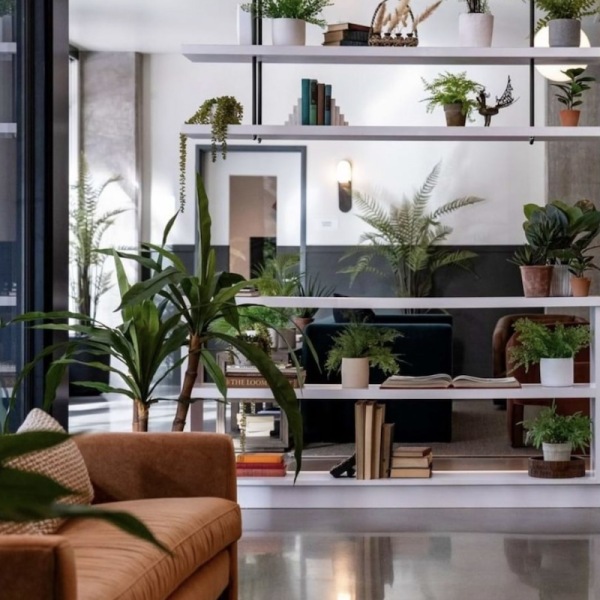
One popular trick is using room dividers. These can be anything from neat portable screens to fabric curtains on a track, or even chic sliding barn doors. They're perfect for sectioning off a sleeping area or a home office, and you can easily open them up again to enjoy the full open space. Tall bookshelves or storage units also work wonders as both room dividers and handy storage spots. They provide a visual barrier without making the space feel closed off.
You can also use strategic furniture placement. Arranging your sofa with its back to your "bedroom" area, for instance, can create a subtle sense of separation. And don't forget curtains! Floor-to-ceiling drapes can be installed on tracks to create a private sleeping nook, offering both visual and a little bit of sound privacy. Lastly, you can subtly define different areas by creating zones with large area rugs, different flooring materials, or even varying paint colors. These solutions help you enjoy the best of both worlds: open living with just the right amount of privacy.
Are lofts a good option for pet owners?
For many pet owners, especially those with active furry friends, lofts can be a fantastic choice! The expansive, open floor plans mean your pets have plenty of room to roam, play, and explore without feeling cramped. This is a huge plus for energetic dogs or cats who love to stretch out. Plus, many lofts feature hard flooring like concrete or hardwood, which are generally much easier to clean than carpet - a definite win for managing pet messes.
However, there are a couple of things to keep in mind. Lofts typically don't come with private outdoor spaces like a fenced yard. So, you'll need to plan for walks in nearby parks, along walking paths, or use any pet-friendly building amenities. Most importantly, always check the building's pet policies before you fall in love with a loft! Some buildings are wonderfully pet-friendly, while others might have restrictions on the number of pets (typically a two-pet limit), or even size or breed policies. It's always best to confirm all the details, including any fees. For example, The Miller offers a pet-friendly apartment environment in Vancouver, understanding how important furry companions are.
A loft can be a wonderful home for your pets, as long as the building's rules fit your needs and you're ready to manage their outdoor trips.
Is a Loft Apartment Right for You?
The question of what is loft style apartment living can offer you really comes down to understanding your own needs and preferences. These unique spaces aren't just about the cool industrial vibe—they're about embracing a completely different way of living.
Lifestyle considerations play a huge role in this decision. Loft living tends to appeal most to people who love the energy of urban environments. If you're drawn to neighborhoods where you can walk to trendy restaurants, art galleries, and cultural events, you're already thinking like a loft dweller. These spaces work particularly well for those who appreciate the flexibility to blend work and life seamlessly—whether you're a freelancer who needs a home office or someone who loves entertaining friends in a spacious, open environment.
Your personal preference for aesthetics matters too. Do you find yourself drawn to exposed brick walls and soaring ceilings? Does the idea of living in a space with character and history excite you more than a pristine, cookie-cutter apartment? If you're nodding yes, a loft's industrial charm might be exactly what you're looking for.
Space needs require honest self-reflection. While lofts offer incredible square footage, that openness means you'll need to be creative about privacy. If you work from home and need a quiet, separate office space, or if you're sharing the space with someone who keeps different hours, you'll want to think through how you'll carve out distinct areas within the open layout.
The design flexibility of a loft is both thrilling and challenging. You're essentially getting a blank canvas where every furniture choice and room divider becomes part of your personal design statement. If you love rearranging furniture and experimenting with different layouts, this freedom will energize you. If you prefer spaces that tell you exactly how they should be used, a loft might feel overwhelming.
The Miller Apartments captures much of what makes loft-style living so appealing, even in their modern design apartments. Located in Vancouver's vibrant Waterfront neighborhood, they blend contemporary comfort with industrial-inspired aesthetics. The building's amenities—like the day spa, fitness center, and coworking lounge—complement the flexible lifestyle that draws people to open-concept living.
Urban convenience is another key factor. The Miller's prime location offers the walkability and cultural richness that loft lovers typically seek, while providing the modern amenities that make daily life more comfortable.
Choosing a loft comes down to whether you're ready to accept a living space that's as unique as you are. If you're considering exploring your options, checking out spaces that capture the loft spirit while offering contemporary conveniences might be the perfect starting point.