

Vancouver's Most Scenic Walk: The Waterfront Trail Guide
The Vancouver waterfront trail is a paved, flat path running along the north bank of the Columbia River in Vancouver, Washington. Here's what you need to know at a glance:
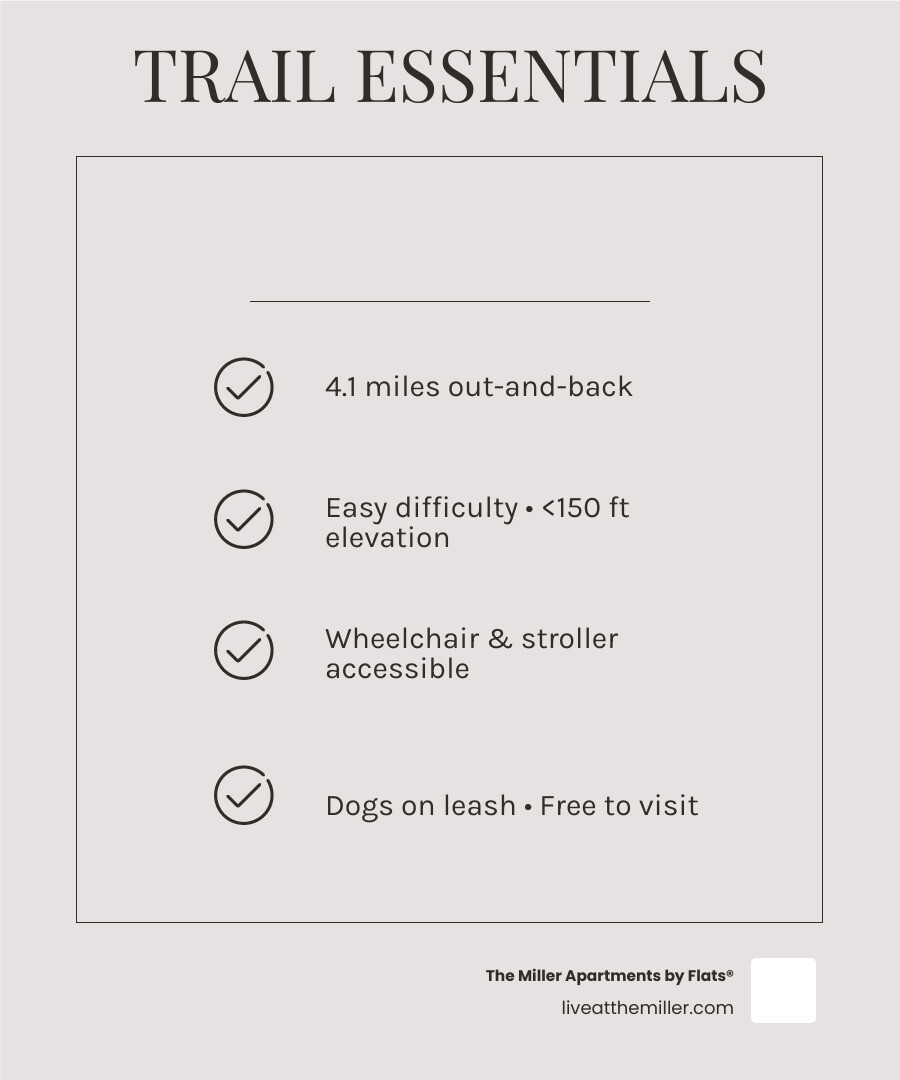
- Length: 4.1 miles out-and-back (or up to 5 miles one-way on the full Columbia River Renaissance Trail)
- Difficulty: Easy - less than 150 feet of elevation gain
- Surface: Paved concrete, at least 8 feet wide
- Accessible: Yes - wheelchair-friendly, stroller-friendly
- Dogs: Yes - on leash
- Free to visit: Yes - some paid parking options apply
- Average time: About 1 hour 15 minutes to complete
- Top highlights: Grant Street Pier, Wendy Rose statue, Surprise Beach, waterfront dining, historic Kaiser Shipyards
This trail is one of the most popular outdoor spaces in the Pacific Northwest - and it's easy to see why. It blends river views, public art, WWII history, and modern waterfront amenities into a single, accessible walk. Whether you're a first-time visitor or a local looking to explore more, the trail delivers something for everyone.
What makes it especially compelling is the contrast: you're walking through land that was once a roaring industrial shipyard, now transformed into a vibrant public space with restaurants, sculptures, and open river views. That kind of layered experience is rare - and it's right here in Vancouver, WA.
What is the Columbia River Renaissance Trail?
The Vancouver waterfront trail is part of a larger, seamlessly integrated pathway known as the Columbia River Renaissance Trail. This continuous 5-mile paved trail (which translates to a 10.8-mile round-trip journey) acts as a pedestrian highway connecting downtown Vancouver's urban center to quieter, natural parks further east.
The route begins on the western end at Esther Short Park, winds directly through the bustling Vancouver Waterfront development, passes under the Interstate 5 (I-5) Bridge, and eventually terminates at Wintler Community Park. For those who want to plan a comprehensive trek, checking out a detailed Waterfront Renaissance Trail Hike Guide can help outline the entire point-to-point journey.
Whether one is looking for a quick morning jog, a casual weekend stroll, or a long-distance bicycle ride, this trail serves as the ultimate outdoor spine of the city.
A Brief History of the Waterfront
Long before it became a premier destination for dining and recreation, this stretch of the Columbia River was a bustling hub of heavy industry. During World War II, the site was home to the historic Kaiser Shipyards. Thousands of workers flocked to Vancouver from across the country to build Casablanca-class aircraft carriers and Liberty ships, earning wages that were remarkably high for the era.
Following the war, the riverfront remained largely industrial and closed to the public for decades. In the late 1990s, the City of Vancouver launched a visionary, multi-decade plan to reclaim the shoreline. This effort culminated in a massive mixed-use redevelopment project. Today, the industrial shipyards have been replaced by a 7.3-acre waterfront park, luxury housing, and bustling commercial spaces.
Along the trail, hikers can also learn about local natural history. For instance, the trail passes near the historic site of the Old Apple Tree. Planted in 1826, it was considered the matriarch of the Northwest's apple industry before it finally passed away in 2020, leaving a legacy that is still celebrated by the community.
Exploring the Vancouver Waterfront Trail: Route and Difficulty
For those looking for a shorter, highly popular portion of the path, the 4.1-mile out-and-back section of the trail is a local favorite. According to the Vancouver Waterfront Trail on AllTrails, this route has earned an impressive 4.6 out of 5 stars from over 320 reviews.
With an elevation gain of just 10 to 131 feet depending on the exact loop and a highest point of only 50 feet, the trail is exceptionally flat and gentle. It takes an average of 1 hour and 18 minutes to complete at a moderate walking pace. Because it is entirely paved, it feels more like a scenic city walk than a rugged wilderness hike, making it highly approachable year-round.
Is the Vancouver Waterfront Trail Accessible?
Accessibility is one of the standout features of this riverfront path. The entire trail is constructed of wide, paved concrete and asphalt (typically at least 8 feet wide, and up to 14 feet wide in newer sections) with smooth curb cuts. The average trail grade is a very gentle 3% or less.
This makes the trail fully accessible for wheeled mobility devices and strollers. Whether someone is using a wheelchair, pushing a stroller, or simply looking for a smooth, flat surface to walk on, this pathway eliminates physical barriers to nature. For those who prioritize regular outdoor exercise, living near such infrastructure is incredibly valuable. To learn more about the benefits of having paved paths right outside your door, explore this Apartments with Walking Trails Guide 2026.
Dog-Friendly Rules on the Vancouver Waterfront Trail
Dogs are warmly welcomed on the trail, provided they are kept on a leash at all times. The wide pathways make it easy to pass other walkers and their pets without conflict. Many of the restaurants, breweries, and tasting rooms along the modern waterfront section also feature pet-friendly outdoor patios, allowing visitors to enjoy a meal or a drink with their canine companions.
To keep the trail clean and enjoyable for everyone, visitors are expected to bring waste bags and clean up after their pets. For residents looking to move to the area with their furry friends, finding a home that supports an active, outdoor lifestyle is key. You can find excellent tips on managing pets in modern residential spaces by reading this Apartments Outdoor Spaces Guide 2026.
Key Points of Interest and Landmarks Along the Way
As walkers make their way along the trail, they will encounter a diverse mix of architectural marvels, public art installations, and scenic viewpoints.
The crown jewel of the modern waterfront development is the Grant Street Pier. This dramatic, cable-stayed pier juts out a striking 90 feet over the Columbia River. Designed to evoke the majestic billow of a passing sailboat's sail, it provides an unparalleled viewing platform. To ensure pedestrian safety on this architectural masterpiece, bicycle and scooter riders are required to walk their wheels when entering the designated pier zone.
Surrounding the pier is the 7.3-acre Vancouver Waterfront Park. This open green space features grassy lawns, comfortable seating, and a unique urban beach area where visitors can relax near the water's edge.
Historical and Cultural Monuments
The trail serves as a physical timeline of Vancouver's rich cultural and industrial heritage. Key monuments along the route include:
- The Wendy Rose Statue: A stunning, stainless steel sculpture that pays tribute to the women who worked in the Kaiser Shipyards during WWII.
- Captain George Vancouver Monument Plaza: Located under the I-5 Bridge, this plaza features the "Boat of Discovery" sculpture, marking the historical exploration of the Columbia River.
- Princess Ilchee Statue and Plaza: This monument honors Princess Ilchee, a prominent Native American figure of the Chinook tribe who lived in the area in the early 19th century.
- Kaiser Shipyard Memorial and Viewing Tower: A historical tower that offers visitors an elevated view of the river while showcasing educational exhibits about the wartime shipbuilding boom.
Parks and Natural Areas
Heading east from the bustling urban waterfront, the trail transitions into a series of expansive, peaceful parks:
- Marine Park: Spanning 58 acres, this park features massive open lawns, playground areas, picnic shelters, and a popular boat launch.
- Wintler Community Park: This 12.5-acre park marks the eastern terminus of the trail. It features a sandy beach area that is perfect for sunbathing or dipping one's toes in the river during warmer months.
- Surprise Beach: A quiet, sandy beach nestled along the trail that offers a peaceful spot to watch the river flow by.
- Water Resources Education Center: Located near the middle of the trail, this center features family-friendly, hands-on science exhibits and overlooks a protected 50-acre wetland area.
- Tidewater Cove Wetlands: During the winter months, this area becomes a prime birding spot where nature enthusiasts can observe a variety of migratory waterfowl and resting Canada geese.
Dining, Shopping, and Entertainment at the Waterfront
One of the greatest advantages of the vancouver waterfront trail is how effortlessly it blends outdoor recreation with upscale urban amenities. The western portion of the trail is lined with some of the city's finest dining, shopping, and entertainment options.
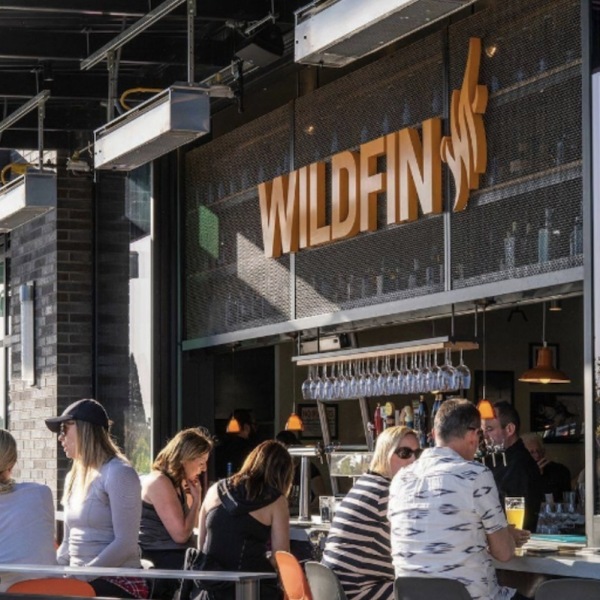
Visitors can stop for a meal at popular waterfront establishments like WildFin American Grill, Twigs Bistro and Martini Bar, or enjoy a craft beer at Ruse Brewing. The waterfront is also home to a stellar lineup of local winery tasting rooms, boutique shops, and artisan galleries.
Because the trail connects directly to these commercial spaces, it is common to see locals walking from their homes to meet friends for dinner or a wine tasting. For a closer look at the residential options that place you steps from these amenities, check out the Waterfront Apartments Vancouver WA Guide 2026.
Best Times to Visit and Seasonal Events
While the paved path makes the trail accessible and highly usable year-round, certain times of day and seasons offer unique experiences:
- Sunset: Early evening is arguably the best time to visit. Watching the sunset over the Columbia River, with the lights of the city reflecting on the water and the Grant Street Pier glowing against the sky, is spectacular.
- Summer: Perfect for families. Children can play in the water at the Headwaters Wall, an interactive splash pad that features a beautifully detailed bronze topographical map of the Columbia River watershed.
- Winter: Though the weather can be cool and wet, the trail remains popular for brisk walks. It also serves as a premier viewing location for the annual Christmas Ships Parade, where beautifully decorated boats cruise along the river.
Practical Tips for Your Visit
To ensure a smooth and enjoyable visit, it helps to plan ahead for parking, transit, and trail etiquette.
| Location / Amenity | Parking Type | Fees / Rates | Best For |
|---|---|---|---|
| Vancouver Waterfront Park | Pay garages & metered street parking | Rates vary; payment required | Quick access to restaurants, shops, and the Grant Street Pier |
| Fort Vancouver Waterfront Park | Dedicated surface lot | Free | Visitors looking for a central starting point with no parking fees |
| Marine Park | Boat launch & surface lot | Fee required year-round | Families visiting the playground or launching watercraft |
| Wintler Community Park | Surface lot | Fee required (Memorial Day to Labor Day) | Starting a westbound walk from a quieter trailhead |
If you prefer to use public transportation, C-TRAN route 6 provides convenient transit access directly to the western end of the trail near downtown Vancouver.
For safety, pedestrians should stay alert for cyclists, skaters, and skateboarders, who frequently use the multi-use path. Remember to keep dogs on a short leash, respect private property along the industrial business parks, and carry a light jacket, as river breezes can be cool even on warm summer days.
Frequently Asked Questions about the Vancouver Waterfront
Where can I park for the trail, and are there fees?
Parking options depend on where you choose to start. The western end near the modern Vancouver Waterfront Park features paid parking garages and metered street parking. Free parking is available east of the I-5 Bridge at Fort Vancouver Waterfront Park. If you park at the eastern end, Wintler Community Park charges a seasonal fee between Memorial Day and Labor Day, while the Marine Park boat launch requires a fee year-round. All parking rates are fluid and subject to change.
How long does it take to walk the trail?
The average completion time for the 4.1-mile out-and-back portion of the trail is about 1 hour and 18 minutes. If you choose to tackle the full 5-mile one-way (10.8-mile round-trip) Columbia River Renaissance Trail, plan for a 3- to 4-hour excursion, or simply choose a smaller segment to explore based on your personal pace.
How does the trail connect to other local attractions?
The trail is incredibly well-connected. At the western trailhead, you are just steps away from Esther Short Park (established in 1853, making it the oldest public park in Washington state) and the vibrant shops of downtown. The trail also connects to the Vancouver Land Bridge, which provides a direct pedestrian link to the Fort Vancouver National Historic Site. To discover more about the surrounding area and local hotspots, check out this comprehensive Neighborhood Guide.
Conclusion
The vancouver waterfront trail is far more than just a place to exercise; it is the vibrant heart of a thriving community. It seamlessly connects Vancouver's rich industrial past with its modern, sophisticated future, offering residents and visitors alike an unparalleled way to experience the beauty of the Columbia River.
For those who want to make this dynamic, active lifestyle a permanent part of their daily routine, living in the heart of the action is the ultimate goal. The Miller offers luxury apartments in the Vancouver Waterfront neighborhood of Vancouver, WA, blending modern design with the city's industrial history. Featuring premium amenities like a day spa, a state-of-the-art fitness center, and a collaborative coworking lounge, it places an emphasis on wellness and community. The unique selling point of these residences is the perfect combination of convenience, comfort, and sophistication in a prime location.
Ready to take your daily walks to the next level? Experience Waterfront Vancouver Washington and discover what makes this scenic riverfront neighborhood such an extraordinary place to call home.