

Embracing the Challenge of Compact Living
Tiny apartment layout design has become an essential skill for urban dwellers as living spaces continue to shrink. Tiny apartments are generally considered to be less than 550 square feet, with micro apartments classified between 200-400 square feet. Whether you're working with a studio or a small one-bedroom, the key is maximizing every square inch while maintaining comfort and style.
Quick Layout Strategies for Tiny Apartments:
- Define zones - Use rugs, furniture, and visual dividers to create distinct living areas
- Choose multi-functional pieces - Daybeds, storage ottomans, and expandable tables serve multiple purposes
- Go vertical - Wall-mounted shelves and tall furniture maximize storage without taking floor space
- Create separation - Use curtains, screens, or open bookcases to divide sleeping and living areas
- Maximize light - Light colors, mirrors, and strategic lighting make spaces feel larger
- Prioritize pathways - Ensure clear walking routes through your space
The challenge of tiny living isn't just about fitting everything in - it's about creating a space that feels intentional and comfortable. As one designer noted when working with a 140-square-foot space: "Living without interior walls in a small space doesn't have to mean sacrificing style or functionality."
Your tiny apartment can become a highly efficient, practical, and beautiful home with the right approach to layout and design.
Zoning Your Space: Creating Rooms Without Walls
The magic of a successful tiny apartment layout lies in creating distinct areas that feel like separate rooms, even when you're working with one open space. Think of it as choreographing a dance - every piece of furniture and every visual element needs to work together to define where one "room" ends and another begins.
The secret starts with understanding how you'll move through your space. Before placing a single piece of furniture, imagine walking from your front door to your bed, from your kitchen to your living area. These pathways become the invisible highways of your home, and everything else gets arranged around them.

Area rugs are your best friend when it comes to defining zones. A large rug instantly anchors your living area, creating a cozy boundary that says "this is where we relax and watch movies." Meanwhile, the uncarpeted area beyond becomes your sleeping zone or workspace. It's like drawing invisible lines on your floor.
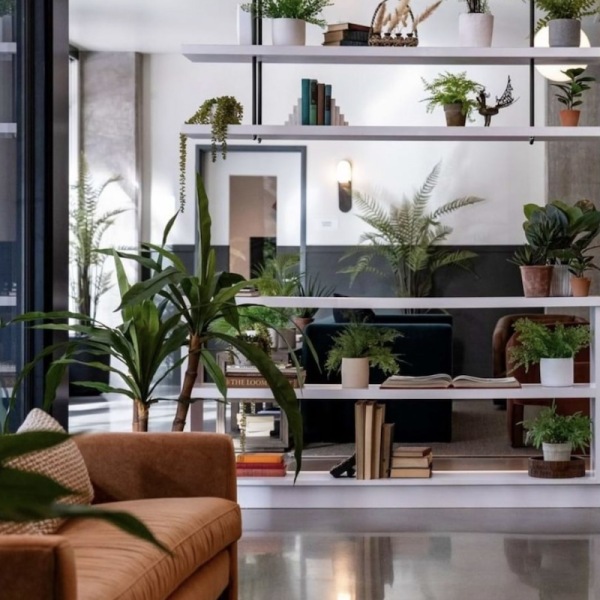
Room dividers don't have to be walls to be effective. A tall bookcase can separate your living area from your bedroom while still allowing light to flow through. Console tables work beautifully as subtle barriers - they're low enough to maintain the open feel but clear enough to signal "this is a different space."
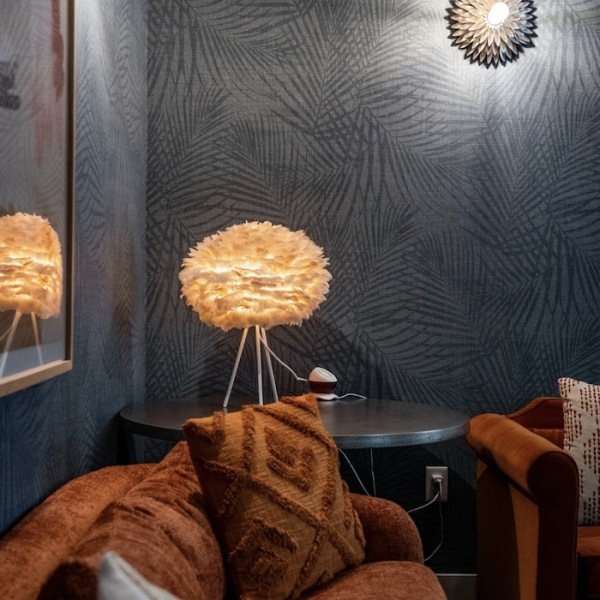
The beauty of open-plan living is that you can get creative with visual separation. Some people use different paint colors or wallpaper on accent walls to define areas. Others strategically place artwork or even hang plants from the ceiling to create natural boundaries.
Furniture placement becomes an art form in this approach. Your sofa doesn't just face the TV - it also acts as a room divider, creating a clear separation between your entertaining space and the rest of your home. The key is making sure each piece serves multiple purposes while maintaining a cohesive look throughout.
Whether you're exploring Studio Apartments Downtown Vancouver WA or drawing inspiration from innovative designers like MKCA, smart zoning transforms a single room into a fully functional home.
Creating a Separate Bedroom
Creating a private sleeping area in a studio doesn't require construction - it just requires creativity. Bed nooks can be carved out using simple solutions that make a big impact on how your space feels.
Curtains hung from ceiling tracks are probably the most flexible option. During the day, you can pull them back completely to open up your space. At night, draw them closed for privacy and that cozy, enclosed feeling that helps you wind down. Choose curtains in colors that complement your overall design scheme.
Folding screens offer another neat solution. They can be moved around as needed and often double as decorative elements. Some screens even include built-in shelving or mirrors, adding extra functionality to your bedroom separation.
Bookshelf dividers are particularly clever because they solve two problems at once. An open-back bookcase creates visual separation while allowing light to pass through, and it provides valuable storage for books, decor, and personal items. Place it at the foot of your bed or along one side to create that distinct bedroom zone.
For those with higher ceilings, loft beds are game-changers. They literally double your usable floor space by moving your sleeping area up and freeing the ground level for living, working, or storage. It's like having a two-story apartment in a studio footprint.
If you're considering a Studio for Rent Vancouver WA, these separation techniques can help you envision how even a compact space can offer the privacy and distinct living areas you want.
Carving Out a Workspace
With remote work becoming the norm, finding space for a productive workspace in your tiny apartment layout is essential. The trick is integrating it seamlessly without making your home feel like an office.
Floating desks are space-saving champions. They mount directly to the wall, taking up zero floor space while providing a dedicated work surface. When you're done working, the area underneath remains open, maintaining the flow of your room.
Corner desks turn awkward angles into productive zones. That corner that might otherwise collect dust becomes your command center. Multi-use tables offer even more flexibility - your dining table can transform into a workspace during the day, then back to an eating area for dinner.
Position your workspace near natural light whenever possible. Working by a window not only improves your mood and focus but also makes the area feel more spacious and less confined. There's something about that connection to the outdoors that makes even the smallest workspace feel expansive.
Vertical shelving above your desk keeps supplies organized without eating into your floor space. Install floating shelves or a narrow bookcase to store everything from office supplies to reference books. The key is keeping your desktop clear so the workspace doesn't overwhelm your living area when you're not using it.
The Power of Multi-Functional Furniture
When you're working with a tiny apartment layout, every piece of furniture needs to pull double duty. The secret to making your compact space feel spacious and functional lies in choosing pieces that transform and adapt to your daily needs.
Think of your furniture as the hardworking backbone of your home. A daybed isn't just seating during the day—it becomes your comfortable sleeping space at night. Murphy beds are true space-saving champions, folding completely into the wall when you're not sleeping, giving you back precious floor space for yoga, entertaining, or just moving around freely.
Storage ottomans are particularly clever pieces. They provide extra seating when friends come over, serve as a footrest during movie nights, and secretly store your throw blankets, books, or seasonal items inside. Expandable tables are equally brilliant—nesting tables that tuck away when not needed, or dining tables with drop leaves that can shrink down to console size or expand for dinner parties.
This approach creates what designers call a "24-hour room"—a space that flows seamlessly from morning coffee to evening entertainment. Your living room can transform into a dining room, then into a bedroom, all with the same core pieces of furniture.
The Miller Apartments understands this philosophy deeply. Their approach to modern apartment living room design showcases how sophisticated style and practical functionality can work together beautifully, even in compact spaces.

Seating That Does More
In a tiny apartment layout, your seating choices can make or break your storage strategy. Sofas with built-in storage are game-changers—they look like regular furniture but hide compartments in their arms or underneath the cushions. Perfect for stashing extra pillows, board games, or that collection of magazines you keep meaning to read.
Modular sectionals offer incredible flexibility. You can rearrange the pieces to create different conversation areas, separate a sleeping nook, or open up the space for activities. When your needs change, your furniture can change with you.
Don't overlook the humble bench with storage. Place one at your entryway for putting on shoes while storing them inside, or use it as dining seating that doubles as a linen closet. Even simple stools earn their keep by serving as extra seating, impromptu side tables, or plant stands—whatever your day demands.
Tables That Transform
The right table can completely change how you use your space. Lift-top coffee tables are particularly ingenious—they look stylish in your living area, but lift up to create a comfortable workspace for your laptop or a casual dining surface. The hidden storage underneath keeps remotes, chargers, and other living room essentials organized and out of sight.
Drop-leaf dining tables are perfect for small spaces. When it's just you, they fold down to a slim profile against the wall. When friends visit, they expand to accommodate everyone comfortably. Some console to dining tables take this concept even further, changing from a narrow hallway piece into a full-sized dining table that seats six.
These changing tables eliminate the need for multiple furniture pieces, which is exactly what makes a tiny apartment layout work so beautifully. One piece serves many purposes, leaving you with more space to breathe and move around comfortably.
Mastering the Tiny Apartment Layout with Smart Storage
When you're living in a small space, clutter becomes your biggest challenge. Smart storage solutions aren't just helpful—they're absolutely essential for creating a tiny apartment layout that feels organized, peaceful, and surprisingly spacious. The secret lies in giving every single item a designated home while keeping your space looking clean and uncluttered.
Think of storage as your invisible helper. The best storage solutions blend seamlessly into your daily life, making it effortless to keep things tidy. When everything has its place, you'll spend less time hunting for your keys or favorite sweater, and more time enjoying your beautifully organized home.
Successful small space design revolves around maximizing every inch while maintaining that open, airy feeling many people crave. This means getting creative with vertical space, finding hidden storage opportunities, and making sure no corner goes unused. The Miller Apartments' modern design apartments showcase exactly this philosophy, where thoughtful storage solutions blend seamlessly with sleek, contemporary aesthetics.

Go Vertical: A Key Tiny Apartment Layout Strategy
When floor space feels tight, the answer is simple: look up. Vertical storage is your best friend in any tiny apartment layout, turning empty wall space into valuable storage real estate.
Wall-mounted shelves are the easiest place to start. They hold books, decorative items, and everyday essentials without stealing a single square foot from your floor. Tall, narrow bookcases work beautifully in corners that might otherwise go unused, providing impressive storage capacity while maintaining a slim profile.
Ladder shelves offer a stylish twist on traditional shelving, creating an open, airy display that doesn't feel heavy or overwhelming. Pegboard systems bring incredible versatility to your walls—perfect for organizing kitchen tools, craft supplies, or even jewelry and accessories.
If you're lucky enough to have high ceilings, consider how vertical space can literally double your living area. A loft platform can create a cozy sleeping nook above while freeing up the entire floor below for your living space. Even something as simple as wall-mounting your television instead of placing it on a console can free up valuable surface area for other necessities.
This "build up, not out" approach transforms cramped quarters into surprisingly functional homes that feel much larger than their square footage suggests.
Hidden in Plain Sight: Your Second Tiny Apartment Layout Strategy
The most neat storage solutions are the ones you can't see. Hidden storage keeps your tiny apartment layout looking clean and minimalist while secretly providing tons of space for your belongings.
Under-bed storage drawers are classics for good reason—they're perfect for linens, seasonal clothing, or shoes that you don't need daily access to. Many modern storage beds come with built-in compartments, eliminating the need for bulky dressers entirely. Benches with interior storage and ottomans with lift-off tops serve double duty as seating and secret storage.
The real magic happens when storage becomes part of your apartment's architecture. Skirted tables can hide baskets or boxes underneath while maintaining an neat appearance. Deep window sills and awkward nooks can be transformed into clever storage spots with a little creativity.
The ultimate goal is creating spaces where storage feels completely integrated into your home's design. When done right, you'll have everything you need within easy reach, but visitors will marvel at how uncluttered and spacious your small apartment feels.
Design Illusions: Making Your Small Space Feel Grand
The magic of a successful tiny apartment layout lies not just in clever storage or multi-functional furniture, but in creating visual tricks that make your space feel surprisingly spacious. With the right design choices, you can transform a compact apartment into a home that feels open, airy, and welcoming.
The secret is understanding how our eyes perceive space. When you walk into a room, your brain quickly processes visual cues about size, depth, and boundaries. By manipulating these cues through color, lighting, and strategic design choices, you can literally fool your mind into seeing more space than actually exists.
Interestingly, when it comes to small spaces, too little can sometimes feel as uncomfortable as too much. The goal isn't to create an empty, sterile environment, but rather a thoughtfully curated space that feels intentional and complete. The Miller Apartments accepts this philosophy in their modern apartment interior design ideas, creating spaces that feel both sophisticated and spacious.
Design studios like Silo Studio have mastered these visual illusions, proving that even the tiniest spaces can feel grand with the right approach.
The Impact of Color and Light
Light colors are your best friend when working with a tiny apartment layout. White walls act like mirrors, bouncing natural light around the room and instantly making it feel larger and brighter. This doesn't mean your space has to feel cold or sterile - neutral tones like soft grays, warm beiges, or gentle off-whites create the same spacious effect while adding warmth and personality.
The key is creating a cohesive backdrop that allows light to flow freely. Once you have this foundation, you can add accent colors through throw pillows, artwork, or a colorful area rug without overwhelming the space.
Natural light is pure gold in a small apartment. Replace heavy curtains with sheer panels that let sunlight flood in while still providing privacy. If you're lucky enough to have large windows, keep them unobstructed - every ray of natural light makes your space feel more open.
But don't stop there. Layered lighting can work miracles after the sun goes down. Wall sconces are particularly clever because they provide ambient light without taking up floor space that a table lamp would require. They also create a soft glow that eliminates harsh shadows and makes corners feel less confined.
Consider mounting lights that bounce illumination off the ceiling - this creates an even wash of light that seems to push the walls outward. Even in smaller spaces like bathrooms, this technique can make a dramatic difference in how spacious the area feels.
Furniture Scale and Placement
Choosing the right furniture scale can make or break your tiny apartment layout. Low-profile furniture is a game-changer because it makes your ceilings appear taller and your windows look larger. A sleek, low sofa or coffee table creates more visual breathing room above, giving the illusion of greater vertical space.
Furniture with visible legs - what designers call "leggy" pieces - allows light and sightlines to flow underneath, making your room feel less dense. Instead of a solid, boxy dresser, choose one that sits on slender legs. The glimpse of floor underneath creates the impression of more space.
Clear acrylic or glass furniture takes this concept even further by virtually disappearing into your room. An acrylic coffee table or glass dining table provides all the function you need without the visual weight of solid furniture.
Floating furniture mounted to walls keeps your floor clear and creates an airy, uncluttered feeling. Wall-mounted desks, nightstands, and even entertainment centers contribute to this sense of openness.
Here's a surprising tip: sometimes one or two well-proportioned larger pieces work better than many small, scattered items. The key is choosing furniture with clean lines and rounded edges that won't create visual obstacles or impede traffic flow.
The goal is maintaining clear pathways throughout your apartment. When people can move easily from one area to another, the space naturally feels larger and more functional.
Frequently Asked Questions about Tiny Apartment Layouts
Living in a compact space brings up plenty of questions. Whether you're considering a studio or just want to make the most of your small apartment, these common concerns come up time and time again. Here are some solutions that actually work.
What is the best way to separate a bed in a studio apartment?
Creating a private sleeping area in an open studio doesn't mean you need to build walls or sacrifice the airy feel of your space. The most effective approach is visual separation that maintains the flow of light and movement throughout your tiny apartment layout.
Open-back bookcases are fantastic room dividers because they do triple duty - they define your sleeping zone, provide valuable storage, and still let light pass through to keep the space bright. Position one perpendicular to your bed, and you've instantly created a cozy bedroom nook without making the apartment feel chopped up.
Ceiling-mounted curtains offer another brilliant solution. Hang them on tracks or rods attached to the ceiling to create a soft, private cocoon around your bed. The beauty of curtains is their flexibility - pull them closed for privacy during sleep or when you have guests, then open them up during the day to reclaim the full space.
For apartments with higher ceilings, a loft bed can be a game-changer, effectively creating a separate level for sleeping while freeing up the area below for your living room or workspace. Just make sure you have enough headroom to sit up comfortably!
How can I express my personal style in a tiny apartment?
Small spaces don't mean small personality! In fact, a compact apartment can be the perfect canvas for showcasing your unique style because every choice you make has more impact.
Textiles are your best friend in a tiny apartment layout. Bold throw pillows, a statement area rug, or colorful curtains can instantly transform the mood of your space. Since you can't fill the room with furniture, let fabrics do the talking.
Create a gallery wall with your favorite prints, photos, or artwork. This draws the eye upward and adds personality without taking up floor space. Mix different sizes and frames for visual interest, but keep a cohesive color palette to avoid overwhelming the space.
Since you have limited room for furniture, make each piece count by choosing items that are both functional and beautiful. A vintage trunk that serves as both coffee table and storage, or a colorful accent chair that doubles as extra seating - these pieces should reflect your aesthetic while earning their place in your home.
Don't forget about collections and meaningful objects. Create a small display area or "stage" where you can showcase items that tell your story, mixing family treasures with contemporary finds to create a space that feels uniquely yours.
What are the biggest mistakes to avoid when planning a layout?
Even the best intentions can go wrong when planning a tiny apartment layout. Here are the pitfalls that can make your small space feel even smaller.
Oversized furniture is the number one culprit. That massive sectional might look amazing in the showroom, but if it blocks pathways or overwhelms your space, it'll make your apartment feel cramped and uncomfortable. Always measure twice and choose furniture that fits the scale of your room.
Ignoring vertical storage is another common mistake that leads to cluttered floors and surfaces. When you don't use your wall space effectively, everything ends up piled on tables, chairs, and the floor - making even a well-designed space feel chaotic.
Poor lighting can make any space feel small and depressing. Don't rely on just one overhead light fixture. Layer your lighting with table lamps, wall sconces, and make the most of natural light with sheer curtains instead of heavy drapes.
Finally, avoid getting too caught up in trendy solutions that might not work for daily life. While loft beds save space, they can make a room feel dark and cramped if your ceilings aren't high enough. Choose solutions that improve your daily routine rather than complicate it.
Conclusion: Design Your Perfect Compact Home
Creating the perfect tiny apartment layout is like solving a beautiful puzzle - every piece needs to fit just right, but the result is so much more than the sum of its parts. This guide has explored how zoning strategies can transform a single room into multiple living areas, how multi-functional furniture works double duty to maximize every square foot, and how smart storage solutions keep clutter at bay while maintaining style.
The magic happens when you combine these elements with design illusions that make your space feel surprisingly grand. Light colors bounce around your room, mirrors reflect possibilities, and the right furniture scale creates an open, airy feeling that defies the actual square footage.
But perhaps the most important element is how you infuse your personal style into the mix. Your tiny apartment should feel like you - whether that's through bold artwork, cozy textiles, or a collection that tells your story. The constraints of small space living don't limit creativity; they actually inspire it.
The Miller Apartments understands this philosophy perfectly. Their thoughtfully designed spaces in the Vancouver Waterfront neighborhood prove that compact living doesn't mean compromising on luxury or sophistication. Each floor plan demonstrates how intelligent design can create homes that feel both spacious and intimate, modern yet welcoming.
Ready to see these principles in action? Explore our floorplans and find how The Miller Apartments transforms compact living into an art form. Your perfect tiny apartment layout is waiting - one that's not just smaller, but smarter, more efficient, and uniquely yours.