

Why Modern Industrial Lofts Continue to Captivate Urban Dwellers
Modern industrial lofts represent the perfect fusion of raw architectural heritage and contemporary sophistication. These converted warehouse spaces blend exposed brick walls, soaring ceilings, and steel beams with sleek finishes and modern amenities to create truly unique living environments.
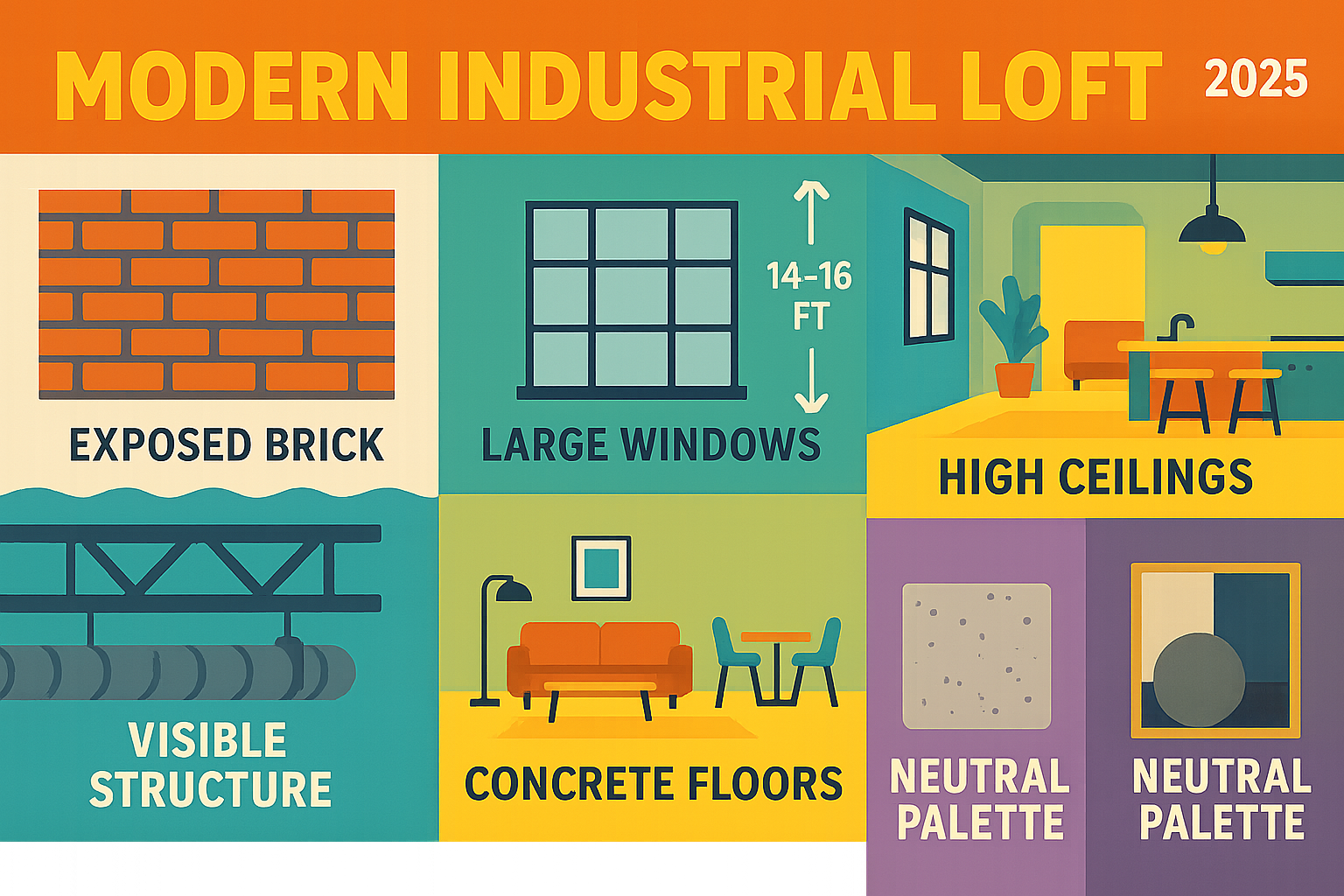
Key Elements of Modern Industrial Lofts:
- Open floor plans spanning 1,000+ square feet
- High ceilings typically 14-16 feet tall
- Exposed structural elements like brick walls, steel beams, and ductwork
- Large factory windows flooding spaces with natural light
- Raw materials including concrete floors and weathered wood
- Flexible layouts that serve as blank canvases for personal expression
The appeal of these spaces goes far beyond their striking aesthetics. As one resident noted, "My loft is basically a blank canvas that I can constantly reinvent." This flexibility, combined with their rich industrial heritage, makes lofts ideal for those seeking spacious, character-filled homes that break free from conventional apartment layouts.
Born from necessity in 1950s Manhattan when artists converted abandoned factories into living spaces, industrial lofts have evolved into highly sought-after residences. Today's modern versions maintain that authentic warehouse character while incorporating contemporary comforts like updated plumbing, efficient heating systems, and luxury finishes.
Whether you're drawn to the dramatic scale, the flood of natural light, or the opportunity to create distinct living zones within an open concept, industrial lofts offer a distinctive urban living experience that celebrates both history and innovation.
From Factory to Fabulous: The Story of the Industrial Loft
The change of abandoned factories into coveted urban homes tells one of the most compelling stories in modern city living. These massive brick buildings, once filled with the sounds of machinery and busy workers, sat empty as industries moved out of city centers. What emerged from this urban void would reshape how we think about residential design forever.

The rise of modern industrial lofts happened hand-in-hand with America's shift to a postindustrial economy. Buildings that once housed garment factories, printing presses, and small manufacturing operations suddenly had no purpose. These architectural giants, with their thick brick walls and soaring ceilings, became blank canvases waiting for reinvention.
Creative minds saw opportunity where others saw decay. Artists and musicians, drawn by the raw space and open possibilities, began the quiet revolution that would change urban living forever. The history of SoHo's cast-iron district perfectly captures how this change unfolded in one of New York's most iconic neighborhoods.
The Birth of an Urban Icon
The modern industrial loft story really begins in 1950s Manhattan, particularly in the Tribeca neighborhood. As new zoning regulations pushed manufacturing out of the city, enormous empty buildings became available. Artists saw what others missed - the incredible potential of these forgotten industrial spaces.
These creative pioneers moved into the buildings illegally at first, converting raw factory floors into combined living and working spaces. They acceptd the exposed brick walls, celebrated the massive timber beams, and made art in rooms flooded with light from oversized factory windows. What started as necessity became a movement.
By the 1960s and 70s, New York City recognized what was happening. The introduction of Artist-in-Residence certifications legitimized these living arrangements, changing an underground trend into official policy. Developers took notice, and formal warehouse conversions began in earnest during the late 1970s and early 80s.
The journey from grit to glamour was complete. What began as utilitarian industrial architecture had evolved into one of the most sought-after residential styles in urban America. The movement spread beyond New York to cities like Denver, San Francisco, and Philadelphia, wherever old industrial buildings stood ready for new life.
Hard Lofts vs. Soft Lofts: Understanding the Difference
As demand for modern industrial lofts exploded, a clear distinction emerged between authentic warehouse conversions and newly built properties designed to mimic the style. Understanding this difference helps explain why some lofts feel genuinely historic while others simply look the part.
| Feature | Hard Loft | Soft Loft |
|---|---|---|
| Origin | Authentic warehouse, factory, or commercial building conversion | Newly constructed building with industrial-inspired design |
| Historic Character | Rich history with unique quirks and genuine patina from decades of use | Modern construction without historical context |
| Structural Elements | Original exposed beams, columns, brick walls, and ductwork with authentic aging | Designed-to-look-exposed elements using newer materials |
| Ceiling Heights | Typically 14-16 feet, often higher depending on original structure | Usually 10-12 feet, designed for residential comfort |
| Windows | Original oversized factory windows, often multi-paned with character | Large residential windows designed to mimic industrial style |
| Materials | Authentic brick, concrete, timber, and steel with natural wear patterns | New brick veneers, polished concrete, and metal finishes |
| Uniqueness | Each unit reflects the original building structure with distinct layouts | More uniform and standardized floor plans |
Hard lofts represent the real deal - actual warehouse buildings, shoe factories, or commercial spaces converted into homes. These spaces showcase genuine exposed brick walls with decades of patina, original timber or steel beams that tell stories, and the authentic imperfections that make each unit unique. Living in a hard loft means embracing the building's true industrial heritage, complete with its quirks and character.
Soft lofts offer the industrial aesthetic without the history. These new constructions feature high ceilings, large windows, and exposed elements, but everything is designed and built specifically for residential use. They provide the visual appeal of loft living with modern conveniences and standardized layouts, though they lack the authentic historical weight of genuine conversions.
Both styles have their place in today's housing market, offering different experiences of the industrial aesthetic that continues to captivate urban dwellers across the country.
The Signature Style: Core Architectural Elements
What makes modern industrial lofts so captivating? It's all about celebrating the raw, honest bones of the building and turning what was once purely functional into something beautiful. These spaces don't hide their industrial past - they accept it wholeheartedly.

The magic begins with the open-concept living philosophy that defines these spaces. Imagine walking into a room where walls don't dictate how you live. Soaring ceilings stretch 14 to 16 feet above you, creating an airy sense of freedom that's impossible to find in traditional apartments. Expansive factory windows - those massive, multi-paned giants - pour natural light across every corner, making even the largest spaces feel bright and welcoming.
This openness isn't just about square footage. It's about possibility. You can arrange your furniture to create distinct zones for sleeping, working, and entertaining without being boxed in by predetermined rooms. For those looking to explore how these design principles work in apartment settings, more info about modern apartment interior design offers valuable insights.
Embracing Raw and Unfinished Textures
The beauty of modern industrial lofts lies in their willingness to show their scars and stories. Exposed brick walls stand as the most beloved feature, with each brick telling a piece of the building's history. These aren't perfect, pristine surfaces - they're wonderfully imperfect, with variations in color and texture that mass-produced materials simply can't replicate.
Polished concrete floors provide a sleek foundation that feels both modern and timeless. The smooth, cool surface reflects light beautifully while maintaining that industrial edge. Some lofts extend concrete beyond flooring, incorporating it into countertops and accent walls for a cohesive, contemporary feel.
Weathered wood floors add warmth to balance the cooler industrial elements. Whether they're original hardwood planks from the building's factory days or carefully selected reclaimed timber, these floors bring natural patina and character that new materials simply can't match.
The key is in the imperfect finishes - the slight irregularities, the honest wear patterns, the textural contrast between rough brick and smooth concrete. These elements work together to create spaces that feel authentic and lived-in, even when they're brand new.
The Beauty of Exposed Structural Bones
Here's where modern industrial lofts truly shine - they make heroes out of the building's skeleton. Timber or steel beams stretch across ceilings like architectural sculptures, their massive presence creating natural focal points and helping define different areas within the open space.
Cast-iron columns stand like sentinels throughout the space, often featuring decorative details that speak to the craftsmanship of another era. These aren't obstacles to work around - they're features to celebrate and design around.
Perhaps most surprisingly, visible ductwork and electrical conduits become part of the aesthetic appeal. Instead of hiding these utilitarian elements behind drywall, industrial lofts leave them exposed, creating an honest transparency about how the building functions.
This approach of celebrating the building's history through its structural integrity as decor creates something remarkable. Every beam, every pipe, every column tells the story of the building's past while serving its present. It's architecture that doesn't pretend to be something it's not - and that authenticity is what makes these spaces so compelling.
Curating the Look: A Guide to Furnishings and Finishes for Modern Industrial Lofts
Creating the perfect atmosphere in modern industrial lofts goes beyond just appreciating the raw bones of the building. It's about thoughtfully selecting furnishings and finishes that honor the space's industrial heritage while making it feel like home. The magic happens when you find that sweet spot between rugged authenticity and contemporary comfort.

Think of your loft as a canvas where every piece should feel intentional. A well-designed industrial kitchen might feature stainless steel appliances paired with a brick backsplash, while open shelving displays both functional cookware and curated objects. The goal is creating a cohesive look that feels both authentic to the building's past and perfectly suited for how you actually live today.
The Essential Materials Palette
The foundation of great industrial design lies in choosing materials that tell a story of durability and honest craftsmanship. Blackened steel and wrought iron form the backbone of this aesthetic, appearing in everything from window frames and door hardware to custom shelving units and stair railings. These metals bring an unmistakable industrial edge while providing the structural integrity these spaces are known for.
Copper and brass accents serve as the perfect counterpoint to all that steel, introducing warmth through lighting fixtures, cabinet hardware, and decorative elements. These metals develop a beautiful patina over time, adding character that only gets better with age. Glass partitions and surfaces maintain the open, airy feeling that makes lofts so appealing, whether used in room dividers, tabletops, or statement light fixtures.
For softening all those hard surfaces, leather upholstery brings both luxury and ruggedness. A well-worn leather sofa or armchair develops its own unique character, perfectly embodying the "lived-in is good" philosophy that makes industrial spaces feel authentic rather than sterile.
Natural fibers like linen, wool, and sisal add essential texture and comfort through area rugs, throw blankets, and upholstery. These materials create visual and tactile contrast against concrete floors and metal fixtures, making the space feel more inviting. Even details like imperfect porcelain tile can contribute to that weathered, industrial aesthetic that celebrates imperfection as part of the charm.
Choosing Furniture and Decor for modern industrial lofts
Furnishing modern industrial lofts means selecting pieces that feel substantial and purposeful, often with a story of their own. The key is finding furniture that can hold its own in these dramatic spaces without overwhelming the architecture.
Low-profile sofas with clean lines work beautifully in lofts, providing comfort without blocking sightlines or competing with soaring ceilings. Choose durable fabrics or leather that will age gracefully. Reclaimed wood coffee tables and dining tables bring warmth and history, often crafted from repurposed materials like old factory doors or warehouse beams. Open-shelf bookcases with metal frames provide practical storage while displaying your curated collections, keeping the space feeling open and uncluttered.
Lighting plays a crucial role in setting the mood. Edison bulb fixtures, industrial pendant lights, and metal track lighting highlight the architectural details while providing both ambient and task lighting. These fixtures often become sculptural elements in their own right.
Metal bar stools with utilitarian design work perfectly at kitchen islands or home bars, while large-scale art can command attention against those expansive walls and high ceilings. Vintage-style area rugs with distressed patterns or natural fibers help define different zones within the open floor plan while adding much-needed warmth underfoot.
Don't overlook the power of authentic details. Industrial hardware like brushed steel door pulls, industrial plumbing fixtures such as articulating kitchen faucets, and even wall-mounted elements can lift everyday functionality into design statements. The beauty lies in embracing pieces that feel genuine rather than trying too hard to achieve the look.
For those seeking inspiration on pulling these elements together into a cohesive living space, exploring Modern apartment living room design ideas can provide valuable insights into creating spaces that are both stylish and livable.
The best industrial spaces feel authentic and unforced. Sometimes the most interesting pieces come from unexpected places - a vintage factory cart repurposed for storage, or an overstuffed leather armchair that looks like it has stories to tell. The goal is creating a space that feels both connected to its industrial roots and perfectly suited to your modern lifestyle.
The Comfort Equation: Balancing Industrial Edge with Modern Livability
The magic of modern industrial lofts happens when raw architectural elements meet everyday comfort. It's not enough to have stunning exposed brick and soaring ceilings if the space feels cold or unwelcoming. The real art lies in creating a home that celebrates its industrial heritage while wrapping you in warmth and functionality.

Think of it as a conversation between rugged and refined. Your steel beams and concrete floors provide the dramatic backdrop, while carefully chosen furnishings and thoughtful design choices create the comfort you crave. The goal is achieving a space where you can appreciate the beauty of industrial architecture while still wanting to curl up with a good book on a Sunday afternoon.
This balance requires layering different elements throughout your space. Functional design becomes crucial when every square foot needs to work harder in an open layout. Layered lighting helps create different moods and define separate areas within the larger space.
Softening the Space with Textiles and Greenery
The quickest way to transform a stark industrial space into a welcoming home is through the strategic use of soft textures and living elements. Plush area rugs work overtime in modern industrial lofts - they define different zones, absorb sound that might otherwise echo off hard surfaces, and provide a cozy landing for bare feet on concrete floors.
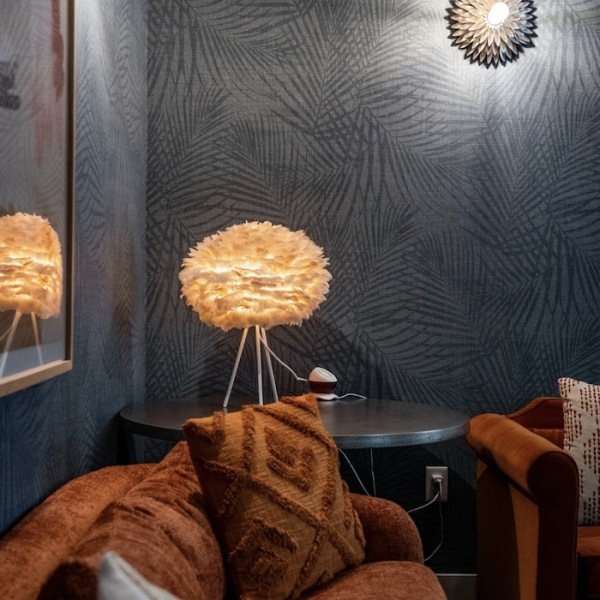
Soft throw blankets draped over leather sofas or metal chairs instantly signal comfort and relaxation. They also add layers of texture and color that play beautifully against neutral industrial tones. Linen curtains, even when they're just framing those gorgeous factory windows, soften harsh lines and add movement to the space.
Upholstered furniture becomes your best friend when balancing industrial elements. A plush sectional sofa in rich fabric creates an inviting focal point that contrasts beautifully with exposed ductwork overhead. Choose pieces that feel substantial enough to hold their own in a large space while offering the comfort you need for daily living.
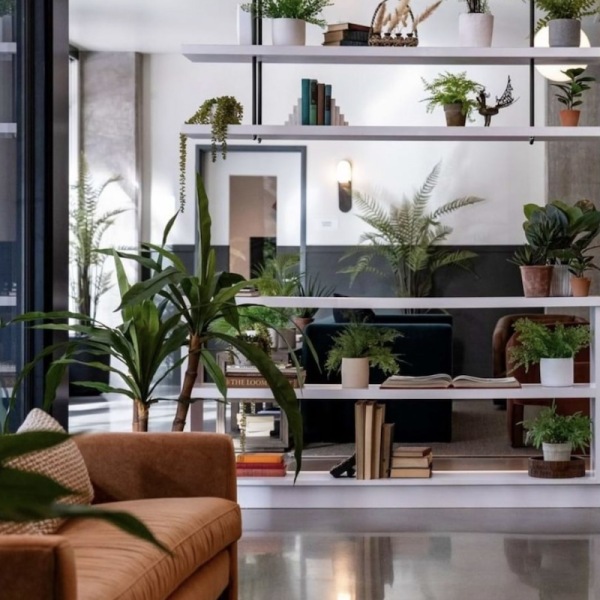
Indoor plants bring life and organic shapes into spaces dominated by straight lines and hard angles. Large floor plants like fiddle leaf figs or rubber trees add height and drama, while smaller potted plants on shelves and surfaces create an urban jungle feel. The greenery not only softens the visual impact of industrial elements but also improves air quality and creates a more vibrant living environment.
Creating Functional Zones in an Open-Plan Layout
The open-plan nature of industrial lofts offers incredible flexibility, but it also requires smart planning to create distinct areas for different activities. The key is using furniture to define spaces without sacrificing that coveted sense of openness.
Start with area rugs for visual separation. A large rug under your seating area immediately establishes the living room, while a different rug under the dining table creates a separate dining zone. This technique works particularly well when you choose rugs that complement each other but have distinct patterns or textures.
Bookcases as room dividers offer a brilliant solution for creating privacy without blocking light. Open shelving units can separate a bedroom area from the main living space while providing storage and display opportunities. Choose pieces that reach toward those high ceilings to maximize their impact.
Strategic lighting schemes play a crucial role in defining different zones. While overhead lighting illuminates the entire space, table lamps in the living area, pendant lights over the kitchen island, and floor lamps in reading nooks create intimate pockets of light that make each area feel distinct and purposeful.
The beauty of this approach is maintaining an open flow throughout the space. You're creating the feeling of separate rooms without the walls, allowing natural light to travel freely while giving each area its own character and function. This flexibility means you can easily rearrange or redefine spaces as your needs change.
Practical Realities: Navigating the Challenges of Loft Living
While the allure of modern industrial lofts is undeniable, these unique spaces come with their own set of practical considerations that differ significantly from conventional apartments. The very elements that make them so visually striking - the soaring ceilings, exposed materials, and open layouts - can also present day-to-day living challenges that require thoughtful solutions.
Industrial buildings constructed decades ago often carry fascinating quirks that add character but demand creativity. Uneven floors might tell the story of heavy machinery that once occupied the space, while brick walls may show variations in color and texture that speak to different construction phases. Understanding these idiosyncrasies is part of embracing loft living. For those considering renovation, A look at a warehouse renovation provides valuable insights into the change process.
The key to successful loft living lies in working with the building's existing character rather than against it. This means celebrating those imperfections while finding smart ways to address practical concerns.
Common Challenges in a Loft Environment
The open-plan design that makes modern industrial lofts so appealing can also create acoustic challenges. Hard surfaces like concrete floors, exposed brick, and steel beams tend to amplify sound rather than absorb it. This can lead to echo issues that make conversations difficult and allow sound to travel freely between different areas of the home.
Temperature control presents another common hurdle. Those dramatic high ceilings and expansive factory windows that flood the space with natural light also create large volumes of air that need heating or cooling. The thermal mass of exposed brick and concrete can help regulate temperature naturally, but it also means the space takes longer to warm up or cool down.
Lighting distribution can be uneven despite those wonderful large windows. While the perimeter of the loft may be bathed in natural light, interior areas can feel darker, especially in deeper floor plans. The industrial aesthetic often means fewer built-in storage solutions compared to traditional apartments, leaving residents to get creative with organization.
Smart Solutions for Storage and Privacy
Fortunately, the challenges of loft living have inspired some clever solutions that actually improve the industrial aesthetic. Multi-functional furniture becomes your best friend - think storage ottomans that provide seating, coffee tables with hidden compartments, or dining tables that double as workspaces.
Freestanding wardrobes and lockers not only solve storage needs but reinforce the industrial theme. Vintage gym lockers or repurposed factory storage units add authentic character while keeping belongings organized. Vertical storage solutions make the most of those high ceilings with tall bookcases, wall-mounted shelving systems, or even suspended storage that doesn't touch the floor.
For privacy in open layouts, creative room dividers offer flexibility without permanent walls. Rolling industrial screens, large bookcases positioned strategically, or fabric panels on tracks can create intimate spaces when needed. Some loft dwellers install mezzanine levels to add sleeping areas or home offices, effectively doubling their usable space while maintaining the open feel below.
Sound absorption improves dramatically with the addition of soft furnishings. Large area rugs, heavy curtains, and upholstered furniture help tame echo while adding comfort. Plants not only soften the industrial edges but also help with acoustics and air quality.
The beauty of loft living lies in these creative solutions becoming part of the design story, turning practical necessities into features that improve rather than compromise the industrial aesthetic.
Conclusion: Your Vision for Industrial Chic
The magic of modern industrial lofts goes far beyond their striking visual appeal. These spaces represent a unique lifestyle choice that honors the past while embracing the future. When you step into an industrial loft, you're not just entering an apartment - you're becoming part of a rich urban story that spans generations.
The beauty lies in how these spaces adapt to your vision. Whether you're drawn to the dramatic scale of soaring ceilings, the flood of natural light streaming through oversized windows, or the creative freedom of open-plan living, industrial lofts offer something truly special. They're spaces where exposed brick becomes your gallery wall, where steel beams frame your daily life, and where the building's history becomes part of your own story.
Modern sophistication meets industrial character in ways that feel both authentic and contemporary. The weathered textures and raw materials create a foundation that's both timeless and flexible. You might arrange furniture to create intimate conversation areas one month, then completely reimagine the space for entertaining the next. This adaptability makes industrial lofts perfect for those who see their home as a canvas for personal expression.
Living in these spaces means embracing both the grandeur and the quirks. You learn to love the echo of footsteps on polished concrete, the way afternoon light plays across exposed brick, and how the same room can serve multiple purposes throughout the day. It's about finding beauty in imperfection and strength in simplicity.
For those seeking this distinctive blend of history with contemporary living, The Miller Apartments captures this spirit perfectly. Located in Vancouver's vibrant Waterfront neighborhood, The Miller honors the area's rich industrial heritage while providing all the modern amenities today's residents desire. With thoughtfully designed spaces, wellness-focused amenities like a day spa and fitness center, and a coworking lounge that fosters community, The Miller demonstrates how industrial-inspired design can create truly sophisticated living experiences.
The industrial chic aesthetic isn't just a design trend - it's a way of celebrating urban evolution and finding beauty in unexpected places. To find how this philosophy translates into exceptional living spaces, Explore our modern design apartments and imagine your own industrial chic vision coming to life.