

What Makes Modern Industrial Design So Appealing?
Modern industrial design blends the raw, unfinished aesthetic of factories and warehouses with contemporary comfort and style. This design approach transforms spaces by celebrating exposed structural elements like brick walls, concrete floors, and visible ductwork while maintaining clean lines and functional beauty.
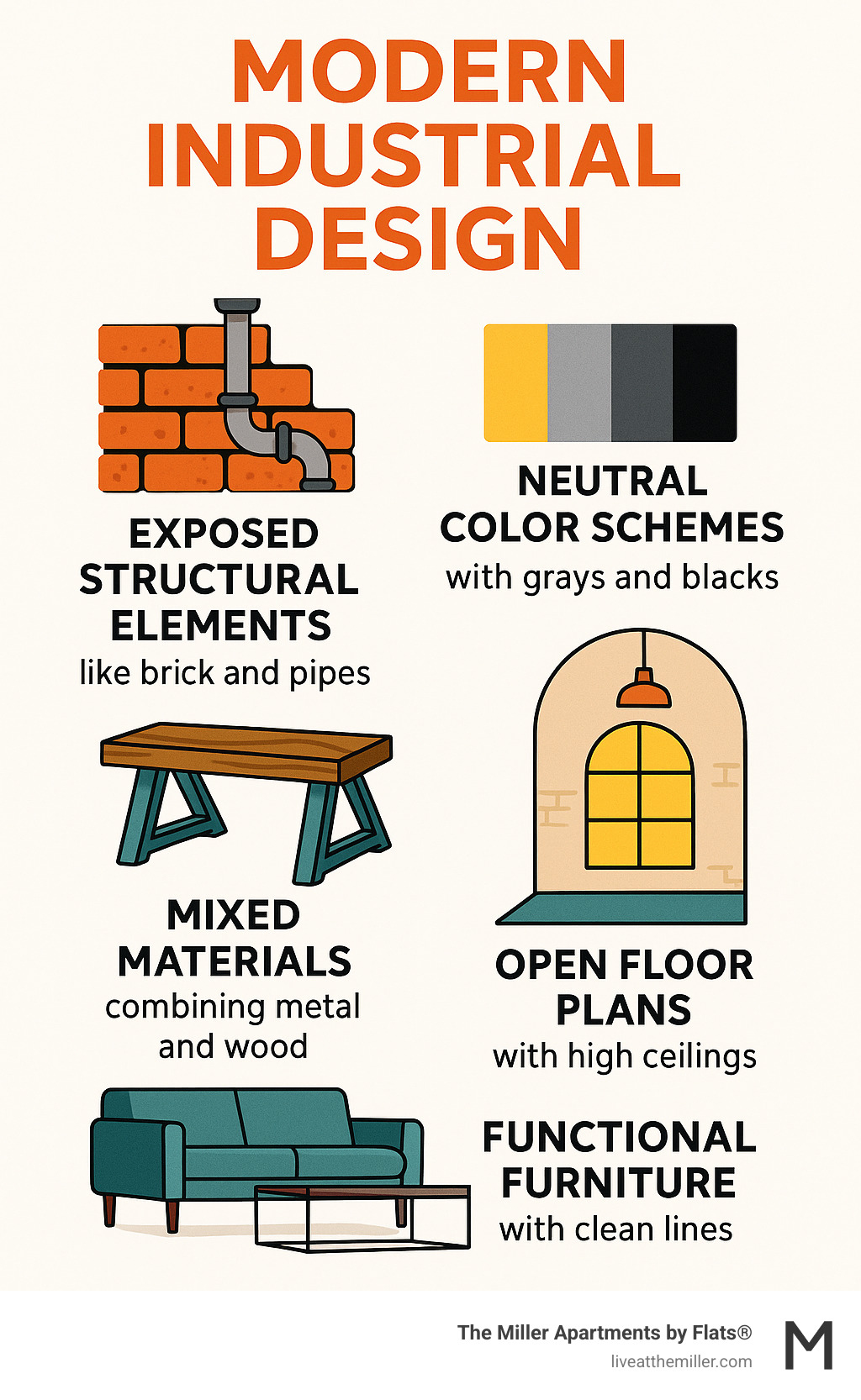
Key Elements of Modern Industrial Design:
- Raw Materials: Exposed brick, concrete, weathered metal, and reclaimed wood
- Neutral Color Palette: Grays, blacks, whites, and earth tones
- Open Layouts: High ceilings, large windows, and spacious floor plans
- Functional Furniture: Clean-lined pieces with metal and wood combinations
- Minimal Decor: Statement lighting and purposeful accessories
The style traces its roots back to the Industrial Revolution, gaining popularity in the 1960s and 70s when artists and residents began converting old factories into loft living spaces. Industrial interior design has been described as "the grunge baby between modern and farmhouse aesthetics."
Today's modern industrial design has evolved beyond literal factory elements. It now seamlessly blends with other styles like mid-century modern and Scandinavian minimalism, creating spaces that feel both sophisticated and lived-in. The key is balancing hard, raw materials with soft textiles and warm lighting to avoid the cold, unwelcoming feel that poorly executed industrial spaces can have.
What is Modern Industrial Design?
Modern industrial design tells a fascinating story that begins with the change of cities. This design movement draws its inspiration from the sturdy, no-nonsense buildings of the late 19th and early 20th centuries—think old factories, warehouses, and manufacturing plants that once powered growing cities.
The magic really started happening in the early 2000s when creative minds looked at these abandoned industrial buildings and saw potential. Instead of tearing them down, developers and residents began converting these spaces into stunning lofts and apartments. What made these conversions special wasn't hiding the building's industrial past—it was celebrating it.
This change connects directly to The Industrial Revolution, when steel and concrete changed how buildings were constructed. Those massive factory windows weren't just practical—they flooded spaces with natural light. Those exposed brick walls and steel beams weren't just structural—they told stories of craftsmanship and purpose.
The core principles of industrial design center around three key ideas: functionality, minimalism, and embracing an unfinished aesthetic. It's about letting a building's bones show and finding beauty in the bare essentials. Open floor plans become galleries. Exposed pipes become architectural features. Concrete floors become canvases for life.
What's exciting about modern industrial design is how it's evolved beyond its factory roots. Today's interpretation blends beautifully with other beloved styles. Mid-century modern pieces feel right at home against exposed brick, creating interesting conversations between warm wood and cool metal. The cozy Scandinavian hygge concept has softened industrial edges with plush textiles and warm lighting, proving that raw doesn't have to mean cold.
Even farmhouse aesthetics have found their way into industrial spaces, creating what designers call an unexpected but delightful style fusion. This evolution shows how adaptable and welcoming industrial design can be—it's not about living in a cold factory, but about appreciating honest materials and thoughtful function in a comfortable, modern home.
Defining Characteristics and Key Elements
Modern industrial design celebrates the beauty of the unadorned and the purposeful. Instead of hiding a building's structural elements, this style puts them center stage, changing what might traditionally be concealed into stunning focal points.

Exposed architectural elements form the heart of this aesthetic. Picture walking into a space where exposed brick walls tell stories of decades past, where concrete floors provide a sturdy foundation that's both practical and beautiful, and where visible pipes and ductwork create interesting geometric patterns overhead. These elements aren't afterthoughts—they're the stars of the show.
The materials themselves speak to authenticity and history. Raw wood often appears weathered and full of character, while weathered metal like steel, iron, and copper develops beautiful patinas over time. There's something deeply satisfying about repurposing and upcycling old factory items, giving them new life in modern homes.
The colour scheme stays intentionally understated, creating a calm backdrop that lets textures and forms shine. Grays, blacks, and crisp whites form the foundation, often warmed with earth tones like rich browns and muted greens. This neutral palette creates a sophisticated canvas where the natural beauty of brick, concrete, and metal can truly stand out.
Open-concept layouts mirror the spacious factory floors that inspired this movement. High ceilings make spaces feel grand and airy, while large windows flood rooms with natural light that changes throughout the day. This abundant light softens the raw materials, creating a dynamic interplay between hard surfaces and warm illumination.
The overall design maintains order through clean, graphic lines. Black metal elements often define spaces and provide strong visual structure, tying everything together with purposeful geometry. It's this balance between raw materials and thoughtful organization that makes modern industrial design both rugged and refined.
Furniture and Decor
In modern industrial design, every piece of furniture and decor serves a purpose while contributing to the overall aesthetic story. The approach focuses on functionality and clean lines, choosing pieces that feel authentic to the industrial spirit without overwhelming the raw backdrop.
Furniture combinations typically showcase the marriage of reclaimed wood and metal accents. Imagine a dining table crafted from weathered barn wood supported by sleek steel legs, or floating shelves made from raw timber and industrial steel brackets. Leather upholstery appears frequently on sofas and chairs, offering both durability and rich texture that actually improves with age, adding warmth to balance the cooler industrial materials.
The key is embracing minimalist furniture choices—pieces that are well-made, functional, and free from unnecessary decoration. Each item should earn its place in the room through both beauty and purpose.
Lighting design plays a starring role in creating the right mood and highlighting industrial character. Bare bulb lighting, especially Edison bulbs with their visible filaments, celebrates the mechanics of illumination itself. These bulbs often hang from simple cords or nestle within metal pendant lights and adjustable wall sconces, serving as both practical lighting and sculptural elements.
When it comes to accessories, the philosophy is definitely "less is more." Instead of cluttering surfaces, focus on a few carefully chosen pieces that resonate with the industrial theme. A vintage factory cart might find new life as a coffee table, while a large piece of abstract art can provide a sophisticated focal point. Geometric pattern decor works beautifully in metal wall art or textiles, adding visual interest without competing with the raw aesthetic.
Art choices often lean toward urban landscapes, abstract forms, or even framed architectural blueprints. These pieces add intellectual depth while maintaining the industrial narrative. The goal is creating a space that feels cohesive and authentically industrial, yet remains inviting and livable—much like a thoughtfully designed statement piece that anchors an entire room.
Bringing the Industrial Look Into Your Home
Creating a modern industrial design aesthetic in a home is about finding the perfect balance between a sophisticated urban loft and a cozy retreat. The goal is not to recreate a cold factory floor—instead, it's to capture the essence of industrial strength and functionality while weaving in warmth and personality that makes a space truly livable.

The magic happens when texture and balance are thoughtfully combined. Think of exposed brick walls softened by plush throw pillows, or concrete floors warmed by rich area rugs. Strategic lighting becomes a key element, casting an inviting glow across otherwise stark surfaces and creating atmosphere throughout the space.
The key is understanding that warmth doesn't come from avoiding industrial elements—it comes from pairing them thoughtfully with comfortable textures and natural materials. Wood tones, soft fabrics, and layered lighting all work together to create spaces that feel both sophisticated and genuinely welcoming. For inspiration on how this translates into real living spaces, exploring Modern Apartment Interior Design Ideas can spark ideas for a home's design.
Implementing Modern Industrial Design in the Living Room
The living room offers the perfect canvas for showcasing modern industrial design because it's where comfort and style need to work together seamlessly. The secret is building the space around foundational pieces that embody both industrial character and everyday comfort.
Start with a leather sofa in rich brown or deep charcoal—it instantly brings that industrial edge while creating comfortable seating. Pair it with a coffee table that combines metal and wood, perhaps one with wheels that hints at its factory-inspired roots.
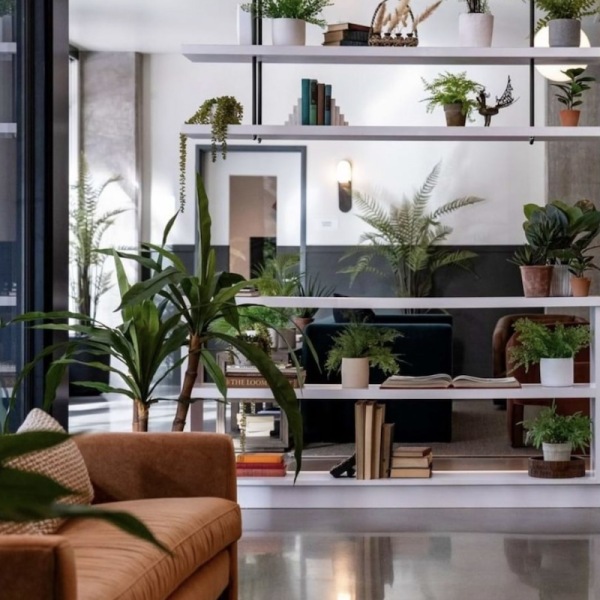
Open shelving made from reclaimed wood planks and metal brackets serves double duty as both storage and visual interest. Displaying favorite books, plants, or a few carefully chosen industrial-inspired pieces can be done without cluttering the space. The beauty of industrial design lies in its honest functionality.
Grounding the seating area with a large area rug in neutral tones or subtle geometric patterns transforms hard concrete or wood floors into a cozy gathering space while improving the room's acoustics. Layering in cushions and throws in natural fabrics like linen or chunky knits adds texture and warmth.
Lighting makes all the difference in creating an inviting atmosphere. Edison bulb pendant lights or metal floor lamps provide that signature industrial look while casting warm, welcoming light. Strategic placement of mirrors with metal frames can amplify both natural and artificial light, making the space feel larger and brighter.
Industrial style thrives on intentional choices rather than excess. Each piece should earn its place by being both beautiful and functional. For real-world examples of how this comes together, check out Modern Apartment Living Room Design and browse The Miller's Gallery for visual inspiration.
Creating an Industrial Bathroom and Bedroom
Bringing modern industrial design into personal spaces requires a gentle touch—these rooms need to feel like comfortable sanctuaries while maintaining that distinctive industrial character.
In the bathroom, think of creating a spa-like retreat with industrial bones. Concrete-style tiles on floors and walls provide that raw, minimalist foundation that's both stylish and practical. Black metal fixtures for faucets, showerheads, and towel bars create striking contrast and define the space with clean lines.
A frameless glass shower maintains the open, airy feeling that industrial design loves, while a wood vanity with metal accents brings warmth and natural texture into the mix. The combination of monochromatic tiles and black-framed elements creates a sophisticated space that feels both modern and timeless.
In the bedroom, comfort becomes even more important. A metal bed frame in a dark finish can serve as a strong focal point, but the real magic happens in the layering. Natural textiles like linen bedding, chunky knit throws, and soft area rugs in grays, whites, and muted earth tones transform the space from stark to inviting.
If exposed brick is available, it makes a stunning accent wall that adds instant character. Balance this with softer elements throughout the room. Keeping minimalist decor at the forefront—a simple wooden nightstand with a bare bulb lamp, or metal shelving for books—maintains that uncluttered industrial aesthetic.
The goal is creating a space where the industrial elements improve rather than compete with comfort, resulting in a room that's both rugged and restful.
DIY and Creative Solutions for Modern Industrial Design
One of the best things about modern industrial design is how well it accepts the DIY spirit. The style's love for repurposed materials and unfinished aesthetics means stunning results can be achieved through creativity.
Repurposing furniture from second-hand stores, flea markets, or from storage becomes part of the design story. An old wooden dresser can be stripped and stained for a raw, authentic look. Vintage metal lockers make unique storage solutions, and old factory items become conversation-starting decor pieces.
DIY pipe shelving combines metal pipes with reclaimed wood planks to create sturdy, stylish storage that's surprisingly simple to assemble. Similarly, pallet wood creations can transform into coffee tables, bed frames, or even accent walls with some basic tools and imagination.
Metallic spray paint works magic on existing pieces, turning ordinary items into industrial statements. A simple lamp base becomes aged copper or sleek steel with the right finish, adding those important metallic accents throughout the space.
Accepting the unfinished aesthetic that industrial design celebrates is key. Expose existing brickwork if available, or consider brick veneer for a similar effect. Concrete floors can be polished and sealed rather than covered, celebrating their raw honesty.
DIY industrial lighting can be created using Edison bulbs, simple cords, and metal cages or repurposed materials. The utilitarian look of bare bulbs perfectly captures the industrial spirit while providing warm, atmospheric lighting.
Focusing on neutral colors when painting—grays, whites, and blacks—creates the perfect backdrop for the materials and textures to shine. Industrial art can be made by framing urban photography, abstract pieces, or even vintage blueprints and patent drawings.
The beauty of this approach is that it aligns perfectly with industrial design's core philosophy: celebrating function, embracing imperfection, and finding beauty in the practical.
Benefits and Key Considerations
Modern industrial design brings together the best of both worlds – striking aesthetics and rock-solid practicality. It's no wonder this style has captured the hearts of homeowners who want spaces that look amazing and actually work for everyday living.
The functionality and durability of industrial design really shine through in the materials themselves. Choosing steel, concrete, and robust wood means investing in elements that can handle daily life. These materials age beautifully and need very little fussing over, which means more time enjoying the space and less time maintaining it.
There's something timeless about the clean lines and honest materials that define this style. While other design trends come and go, modern industrial design has staying power. The focus on raw materials and simple forms means a home won't look dated in five years – it'll just look more authentic and lived-in.
The spacious feel that comes naturally with industrial design is perhaps one of its greatest gifts. Those open floor plans, soaring ceilings, and flood of natural light create an immediate sense of breathing room. Even smaller spaces feel more generous when these principles are adopted, making every square foot count.
What really sets industrial spaces apart is their unique character. Every exposed brick wall tells a story, every weathered beam adds personality. A home becomes more than just a place to live – it becomes a conversation starter, a reflection of an appreciation for authenticity and history.
The versatility of this style is notable. Industrial design plays well with others, whether adding modern touches, minimalist elements, or even rustic accents. It's like having a perfect foundation that adapts to personal style as it evolves.
For a real-world look at how these benefits translate into beautiful living spaces, exploring Modern Design Apartments can show how industrial principles create homes that are both stunning and supremely livable.
The Importance of Space and Light
In modern industrial design, space and light aren't just nice-to-haves – they're the very soul of the style. Think about those grand factory floors that inspired this movement. They were all about open expanses, high ceilings, and floods of natural light pouring through massive windows.
This is why open floorplans feel so right in industrial spaces. Without walls chopping up the flow, a home breathes easier. Light travels freely from room to room, bouncing off those beautiful raw materials and creating an ever-changing play of shadows throughout the day. High ceilings add to this sense of grandeur, making even modest spaces feel generous and welcoming.
Natural light is absolutely essential to making industrial design work. Those large, unadorned windows – often framed in dark metal for that crisp graphic punch – should stay as clear as possible. Heavy curtains or fussy window treatments would defeat the purpose. The goal is to let daylight flood in, softening all those raw textures and making concrete and brick feel warm instead of cold.
But natural light is just the beginning. Strategic lighting layers add depth and mood to industrial interiors. Those iconic bare Edison bulbs and metal pendant lights aren't just functional – they're sculptural elements that define the space. Layering light sources from overhead fixtures to task lighting and ambient floor lamps prevents the space from feeling stark or unwelcoming.
The key to success is avoiding clutter. In industrial design, minimalism isn't just an aesthetic choice – it's practical. Every item needs to earn its place, ensuring the space maintains that clean, open feeling that makes the style so appealing.
Balancing Hard and Soft Elements
Here's where the magic really happens in modern industrial design – finding that sweet spot between raw and cozy. Without this careful balance, a space might end up feeling more like a warehouse than a home.
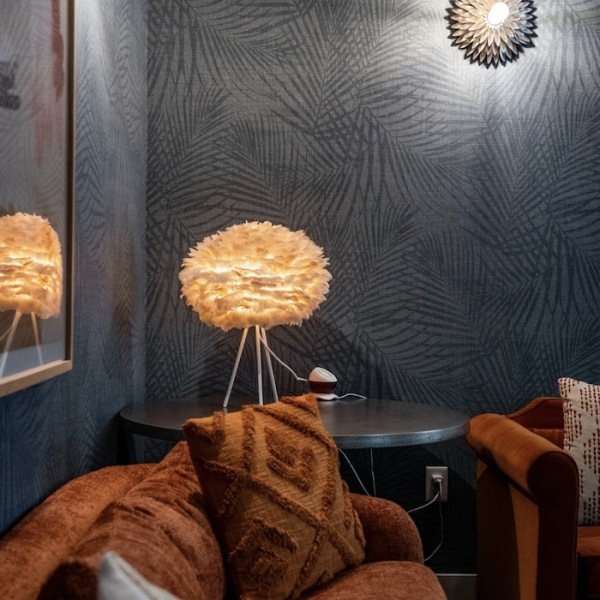
Adding warmth to industrial interiors is all about introducing elements that invite touch and comfort. Soft textiles work wonders here – think plush area rugs that cushion concrete floors, chunky knit throws draped over leather sofas, and comfortable cushions in natural fabrics like linen or cotton. These additions don't fight against the industrial aesthetic; they complement it beautifully.
Wood tones bring incredible warmth to spaces dominated by metal and concrete. A reclaimed wood dining table or weathered wooden shelving adds natural character that feels authentic to the industrial story. The grain and imperfections in the wood create a lovely contrast to the sleek precision of metal fixtures.
Don't underestimate the power of indoor plants in these spaces. A tall fiddle leaf fig in a concrete planter or succulents arranged on metal shelving bring life and organic shapes into all those straight lines. The green adds a fresh pop of color to neutral palettes while creating a connection to nature.
Curtains might seem counterintuitive in industrial design, but sheer or light-filtering panels can soften those large windows without blocking precious natural light. They add movement and texture while maintaining the open, airy feeling that's so important to the style.
The goal is creating a comfortable and inviting atmosphere through thoughtful layering of textures – the cool smoothness of polished concrete, the rough grain of reclaimed wood, the soft warmth of leather, and the cozy accept of natural fabrics. This careful balance ensures the space feels like a true home, much like the thoughtfully designed amenities found at The Miller Apartments, where industrial heritage meets modern comfort.
Frequently Asked Questions about Modern Industrial Design
Here are some of the most common questions about considering modern industrial design for a home. These concerns often revolve around comfort, practicality, and getting the look just right.
Can industrial design feel warm and inviting?
A frequent concern is whether industrial design can feel warm and inviting, and the answer is yes. The secret lies in understanding that modern industrial design isn't about recreating a cold factory floor—it's about celebrating raw materials while creating a space that is comfortable and livable.
The magic happens when those signature hard elements are balanced with thoughtful soft touches. Picture exposed brick walls softened by plush area rugs and comfortable throw pillows. Or imagine concrete floors warmed by the rich patina of reclaimed wood furniture and the soft glow of layered lighting.
Linen curtains can add movement and softness without blocking those important large windows. Comfortable upholstery in leather or natural fabrics creates inviting seating areas. Even something as simple as a chunky knit throw draped over a metal chair can instantly make the space feel more welcoming.
The key is intentional layering. Each soft element added works to counterbalance the raw materials, creating depth and visual interest while maintaining that authentic industrial character.
Does industrial style work in smaller apartments?
Absolutely. In fact, some of the most stunning industrial spaces are in compact apartments. The trick is being selective rather than trying to incorporate every possible industrial element.
Focus on one or two key features that will make the biggest impact. An exposed brick accent wall can instantly transform a room without overwhelming it. Metal light fixtures with Edison bulbs add industrial character while providing essential lighting. Open metal shelving serves double duty as both storage and style.
The neutral color palette that defines industrial design is an advantage in this case. Those grays, whites, and blacks create visual continuity that makes spaces feel larger and more cohesive. Mirrors with metal frames can amplify both light and the sense of space—a classic design trick that works beautifully with industrial aesthetics.
Industrial design celebrates open, uncluttered spaces. This minimalist approach naturally makes smaller apartments feel more spacious and breathable.
What are the most common mistakes to avoid?
The biggest pitfall is going too hard on the industrial elements without adding enough warmth. Spaces can feel more like cold warehouses than comfortable homes. This happens when there's too much metal and concrete without the balancing soft textures mentioned earlier.
Another common mistake is overdoing the theme. It is not necessary for every single piece of furniture and decor to scream "industrial." A few well-chosen pieces—like a metal coffee table or pipe shelving—can establish the aesthetic without creating visual chaos.
Clutter is the enemy of good industrial design. The style thrives on clean lines and purposeful choices. Instead of filling shelves with industrial-themed knick-knacks, choose a few meaningful pieces that serve both form and function.
Finally, don't forget about lighting layers. Relying solely on overhead fixtures can create harsh shadows and make the space feel unwelcoming. Mix ambient, task, and accent lighting to create depth and warmth throughout the space.
The goal is creating a home that honors industrial heritage while embracing modern comfort—much like the thoughtfully designed spaces at The Miller Apartments, where industrial history meets contemporary living.
Conclusion
Modern industrial design represents more than just a decorating trend—it's a celebration of authenticity, functionality, and timeless style. This aesthetic brings together the honest beauty of raw materials with the comfort and sophistication desired in homes today.
Accepting exposed brick walls, weathered metal accents, and open floor plans creates spaces that tell a story. These elements honor industrial heritage while providing the clean lines and uncluttered feel that modern living demands. The beauty lies in the balance—hard concrete softened by plush textiles, cold metal warmed by natural wood, and stark walls brought to life with strategic lighting.
What makes this design approach so enduring is its emphasis on quality over quantity. Every piece serves a purpose, every material has character, and every space feels intentional. Whether working with a spacious loft or a cozy apartment, the principles remain the same: celebrate the raw, accept the functional, and create warmth through thoughtful details.
The Miller Apartments perfectly demonstrates how these design principles can transform everyday living. By blending modern industrial elements with luxury amenities and thoughtful comfort, they've created spaces that feel both sophisticated and genuinely welcoming—a true reflection of Vancouver's rich industrial history meeting contemporary lifestyle needs.
This fusion of style and comfort can be experienced by exploring the luxury apartments for rent in Vancouver, WA. These sophisticated, character-filled homes exemplify the principles of modern industrial design.