

Finding the World of Loft Apartments
A loft apartment is a unique residential space, typically converted from former industrial or commercial buildings, known for its distinctive open design.
- What is a Loft Apartment?
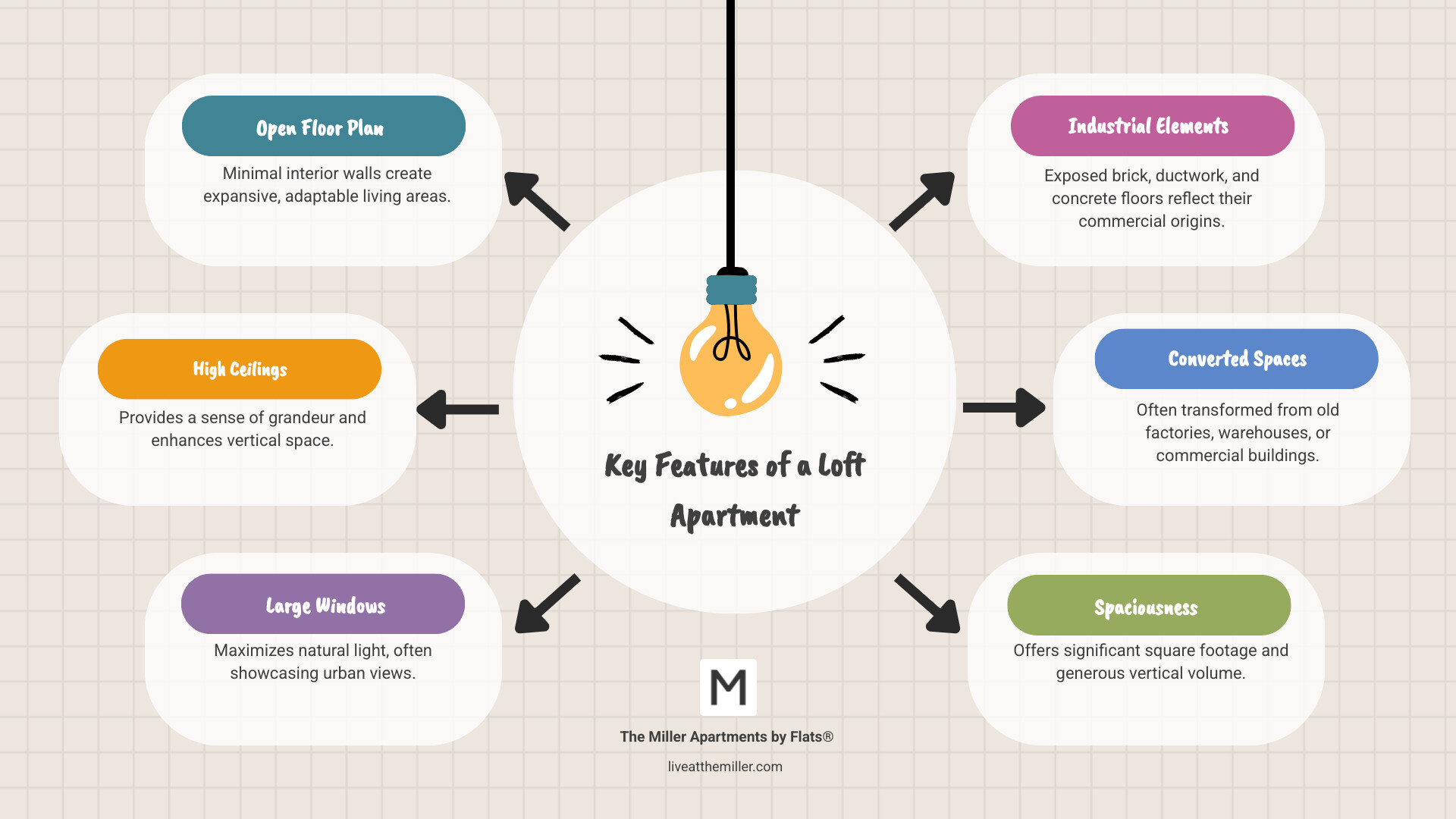
- A large, open living area with few interior walls.
- Often converted from old factories or warehouses.
- Features like high ceilings, big windows, and exposed industrial elements.
- Why choose a loft?
- Spacious: Lofts offer significant square footage and vertical space.
- Unique Style: They have a distinct industrial-chic aesthetic.
- Flexible Layouts: The open floor plan is a blank canvas for design.
- Urban Location: Often found in vibrant downtown neighborhoods.
Loft apartments are more than just a place to live. They are a lifestyle choice. They blend history with modern living. This guide will explore what makes these spaces special. It will cover their origins, benefits, and challenges. You'll learn if loft living is right for you.
What Is a Loft Apartment? The Defining Characteristics
Picture walking into a vast, open space where your voice echoes slightly off the high ceiling above. Sunlight streams through enormous windows, casting long shadows across polished concrete floors. Welcome to loft apartment living.
A loft apartment is fundamentally different from your typical home. These unique spaces originated from something entirely unexpected - old industrial buildings that have been given a second life as residential spaces. Former warehouses, factories, and commercial buildings have been transformed into some of the most sought-after living spaces in urban areas.
What makes a loft apartment so distinctive? It's all about the open floor plan. Imagine a space where traditional room boundaries simply don't exist. Living, dining, and sleeping areas flow seamlessly into one another, creating an expansive canvas that you can shape however you like. The few walls that do exist often don't reach the ceiling, maintaining that signature open feel.
The high ceilings in these spaces tell the story of their industrial past. These buildings needed plenty of vertical room for machinery and operations. Today, those soaring ceilings create an incredibly airy atmosphere that makes even a modest space feel grand and spacious.
Then there are the large windows - often massive, multi-paned industrial windows that flood the space with natural light. These weren't designed for aesthetics originally, but for practical lighting in working environments. Now they offer stunning urban views and create bright, welcoming living spaces.
Perhaps most charming are the industrial elements that many loft apartments retain. Exposed brick walls add warmth and texture, while visible steel beams and exposed ductwork create visual interest overhead. Concrete floors, often polished to a smooth finish, complete the industrial-chic aesthetic that makes these spaces so appealing.
These elements combine to create something truly special - a living space that honors its history while embracing modern comfort. For those drawn to unique design and urban living, a loft apartment offers an experience unlike any traditional apartment. You can explore more about how these design principles translate to modern living at Modern Design Apartments, or dive deeper into the architectural details at What Makes a Loft a Loft?.
Hard Lofts vs. Soft Lofts
Not all loft apartments share the same origin story, and understanding the difference can help you appreciate what makes each type special.
Hard lofts are the real deal - authentic conversions of historic industrial buildings. When you step into a hard loft, you're literally walking through history. These spaces were once busy warehouses, factories, or commercial buildings that have been carefully converted into residential units.
The authentic character in hard lofts is unmistakable. Original timber beams still bear the marks of their industrial past. Brick walls show the patina of decades, and those massive windows still feature their original industrial frames. Every quirk and imperfection tells part of the building's story.
Soft lofts take a different approach. These are new construction buildings designed from the ground up to capture the loft-style design aesthetic. While they feature the signature open layouts and high ceilings, they achieve the industrial look through carefully chosen materials and design elements.
The advantage of soft lofts lies in their modern amenities. Since they're built specifically for residential living, they often include features like updated HVAC systems, modern plumbing, and contemporary appliances. You get the loft aesthetic with the convenience of new construction.
Both types offer that distinctive loft living experience, just with different approaches to achieving it. If you're curious about how modern buildings incorporate these design principles, Modern Apartment Building Design Ideas offers great insights.
Loft Apartment vs. Studio Apartment
The confusion between loft apartments and studio apartments is understandable - both feature open layouts. However, they're quite different in scale, origin, and character.
Think of a studio apartment as a compact, efficient living solution. These spaces typically offer around 500 to 600 square footage in a single room that combines all living functions. The kitchen is usually a small kitchenette tucked into one corner, and storage is built into the design.
A loft apartment, on the other hand, is about expansive living. These spaces typically range from 1,000 to 2,000 square feet, offering significantly more room to spread out. The vertical space is equally impressive, with ceilings that soar well beyond the standard height.
| Feature | Loft Apartment | Studio Apartment |
|---|---|---|
| Size | 1,000-2,000+ square feet with significant vertical space | Typically 500-600 square feet |
| Layout | Expansive open floor plan, often with potential for a separate sleeping area on a mezzanine level | Single main room combining all functions |
| Ceiling Height | Very high ceilings, often 12+ feet | Standard ceiling heights around 9 feet |
| Typical Features | Exposed brick, metal beams, concrete floors, large industrial windows | Conventional finishes focused on space efficiency |
One key difference is the potential for creating distinct zones within a loft apartment. Many lofts can accommodate a raised sleeping area or mezzanine level, effectively creating a separate sleeping area without traditional walls. This vertical space utilization is rarely possible in a studio apartment.
The industrial heritage of lofts also means they often feature unique architectural details that studios simply don't have. Those exposed beams, brick walls, and oversized windows create character that goes far beyond mere square footage.
For those interested in compact living options, you can learn more about Studio Apartments Vancouver, WA to explore how smaller spaces can still offer comfort and style.
The History and Evolution of Loft Living
The story of the loft apartment is deeply intertwined with urban development and artistic movements. It's a fascinating journey from forgotten industrial spaces to highly sought-after residences.
The concept of loft living truly took root in the 1960s in New York City, particularly in neighborhoods like SoHo (South of Houston Street). At this time, many of the city's industrial areas were experiencing a decline. Factories and warehouses, once busy with manufacturing, stood abandoned or underused.
Simultaneously, artists in New York were struggling to find spaces large enough for their work and living. Traditional apartments were often too small and restrictive for painting, sculpting, or performance art. The vast, open, and light-filled interiors of these former industrial buildings offered a perfect solution. They provided the expansive "blank canvas" artists craved, along with abundant natural light from large factory windows and the high ceilings needed for large-scale creations. Moreover, they were often available at a lower cost than conventional residential spaces.
Artists began to illegally convert these industrial spaces into combined live/work studios. These early loft apartments were bare-bones, often lacking modern amenities and proper zoning for residential use. Despite the challenges, a vibrant artistic community flourished in these raw, unconventional settings.
This informal conversion trend eventually led to significant legal and social changes. In New York City, the Loft Law of 1982 was a landmark piece of legislation. It aimed to legalize and regulate the residential use of these formerly industrial spaces, offering protections to the artists who had pioneered loft living and mandating upgrades to ensure safety and habitability.

Over time, as these neighborhoods underwent urban revitalization, the appeal of loft apartments broadened beyond the artistic community. What began as a practical solution for artists that was also less expensive evolved into a symbol of chic, urban sophistication. Developers recognized the demand for these unique spaces, leading to the conversion of more industrial buildings and the construction of "soft lofts" designed to emulate the original aesthetic.
Today, loft apartments represent a blend of history and modernity, a testament to the adaptive reuse of urban architecture. They continue to attract individuals who appreciate their unique character, spaciousness, and connection to the industrial past of their cities.
The Pros and Cons of Life in a Loft Apartment
Choosing to live in a loft apartment is more than just picking a place to call home; it's embracing a completely different way of living. These unique spaces offer an experience unlike traditional apartments, but they come with their own set of trade-offs that are worth considering carefully.
Before you fall head over heels for those soaring ceilings and exposed brick walls, it's important to understand both sides of the coin. Loft living affects everything from your monthly utility bills to how you organize your morning routine.

Benefits of Loft Living
There's something magical about stepping into a loft apartment for the first time. The sheer sense of possibility is overwhelming, and that feeling never really goes away.
Creative freedom and design flexibility are perhaps the biggest draws of loft living. Your space becomes a true blank canvas where you can let your imagination run wild. Want to create a cozy reading nook in one corner and an art studio in another? Go for it. Feel like rearranging your entire layout on a whim? There are no walls stopping you. This flexibility is especially appealing to people who love to redecorate or whose needs change over time. For inspiration on making the most of your open space, explore ideas for Modern Apartment Living Room Design.
The abundant natural light in most loft apartments is another major perk. Those oversized industrial windows don't just look impressive; they flood your space with sunshine throughout the day. This natural brightness can boost your mood, reduce your reliance on artificial lighting, and make even the cloudiest days feel a bit brighter.
Living in a loft apartment also provides an incredible sense of spaciousness that's hard to replicate elsewhere. Even when your square footage might be similar to a traditional apartment, those high ceilings and open sightlines make everything feel dramatically larger. It's the difference between living in a cozy cottage and a grand cathedral.
The unique character and style of loft spaces is undeniably appealing. Those exposed brick walls, metal beams, and concrete floors aren't just design elements; they're conversation starters with real history. Your home becomes a reflection of your appreciation for industrial heritage and contemporary style.
For many people, the live/work potential of a loft apartment is invaluable. Whether you're an artist who needs studio space, a freelancer who works from home, or someone who just likes having room for hobbies, the open layout makes it easy to blend your professional and personal life seamlessly.
Potential Drawbacks of Loft Living
Of course, loft living isn't all Instagram-worthy moments and design flexibility. There are some practical challenges to consider.
Higher utility costs can be a real shock to your monthly budget. All that beautiful vertical space and those large windows can make heating and cooling your loft apartment more expensive than you might expect. Those soaring ceilings mean you're essentially paying to heat or cool a much larger volume of air, and older converted buildings often lack the insulation of modern construction.
Lack of privacy is probably the biggest adjustment for most people. In a loft apartment, there's really nowhere to hide. If you're having a phone conversation, everyone in your space can hear it. If you want to have a lazy Sunday morning in bed while your roommate entertains guests, good luck with that. This open-concept lifestyle works wonderfully for some people but can feel overwhelming for others.
The noise transmission issue goes hand in hand with privacy concerns. Hard surfaces like concrete floors and exposed brick walls don't absorb sound; they bounce it around. Every footstep, conversation, and dropped spoon echoes throughout your space. If you're sensitive to noise or live in a building with thin walls, this can become a real quality-of-life issue.
Limited built-in storage often catches new loft dwellers off guard. These spaces weren't originally designed for residential living, so don't expect walk-in closets or abundant cabinetry. You'll need to get creative with storage solutions and be more selective about what you keep.
Perhaps most frustrating is how a loft apartment can look messy easily. With no doors to close or separate rooms to contain clutter, everything is always on display. That pile of laundry you meant to fold? Your guests will see it. The kitchen dishes from breakfast? They're part of your living room decor now. Maintaining a tidy loft apartment requires more discipline and better organizational habits than traditional living spaces.
Finally, fewer amenities in older buildings can be a consideration, especially in converted hard lofts. While modern developments often include fitness centers, lounges, and other perks, older industrial conversions might focus more on preserving character than adding contemporary conveniences.
Despite these challenges, many people find that the unique benefits of loft living far outweigh the drawbacks. It's all about knowing what you're getting into and deciding whether this distinctive lifestyle aligns with your priorities and preferences.
Decorating and Designing Your Loft Space
The open, expansive nature of a loft apartment offers a unique opportunity for creative interior design. It's a "blank canvas" that invites imagination, but it also requires thoughtful planning to make the most of the space. The goal is to create distinct zones within the open layout, ensuring both functionality and comfort.
Here are some key strategies for decorating and designing your loft apartment:
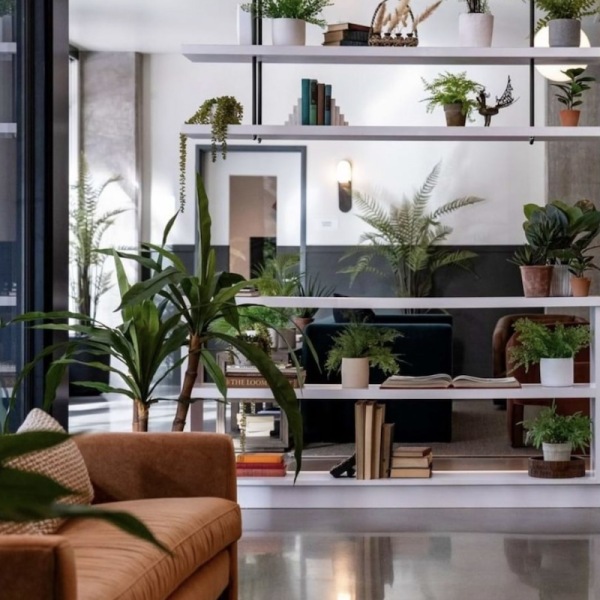
- Creating Zones with Furniture and Rugs: Since there are few walls, furniture placement becomes crucial for defining areas. Use large area rugs to anchor living, dining, or sleeping zones. Position sofas, bookshelves, or even large plants to subtly delineate different functional spaces without blocking light or flow.
- Maximizing Vertical Space: With high ceilings, think vertically! Install tall shelving units, floor-to-ceiling curtains, or large-scale wall art to draw the eye upward and emphasize the impressive height. This also provides valuable storage and display opportunities.
- Strategic Furniture Placement: Opt for low-profile furniture to maintain an open feel, but also consider pieces that serve multiple functions, like an ottoman with storage or a sofa that converts into a bed.
- Embracing Industrial Elements: Don't fight the loft apartment's inherent character. Highlight exposed brick walls, metal beams, and concrete floors. These elements add warmth, texture, and authenticity. Balance these raw features with softer materials like plush fabrics, warm woods, and inviting lighting to create a cozy yet sophisticated atmosphere.
- Creative Room Division:While the open concept is a draw, sometimes you need a little separation. Here are some ways to divide an open-plan loft:
- Large Bookshelves: Use tall, open-backed bookshelves as room dividers. They offer storage and visual separation without completely blocking light.
- Curtains or Drapes: Floor-to-ceiling curtains can be pulled to create temporary walls for privacy or to define a sleeping area.
- Flexible Screens or Panels: Consider movable screens, sliding panels, or even L-shaped walls on casters that can be reconfigured as needed.
- Walls of Plants: A row of tall potted plants can create a natural, organic divider.
- Glass Cubes or Partitions: For a more permanent but still light-transmitting solution, glass block walls or partial glass partitions can define spaces without sacrificing openness.
The key is to use the loft apartment's unique architectural features to your advantage, blending its industrial past with your personal style. For more design inspiration, explore Modern Apartment Interior Design Ideas.

Frequently Asked Questions about Loft Apartments
Thinking about loft apartment living? These unique spaces spark curiosity and questions. Here are answers to the most common concerns people have when considering this distinctive lifestyle choice.
Where are loft apartments commonly found?
Loft apartments have deep roots in urban history, which explains their typical locations. You'll most often find these gems in downtown areas and former industrial districts where old factories and warehouses once hummed with activity.
These neighborhoods tell fascinating stories of change. What were once manufacturing hubs have evolved into vibrant residential communities. Urban neighborhoods that house loft apartments typically offer the best of city living - walkable streets, eclectic dining scenes, and rich cultural attractions.
Converted commercial buildings also provide prime real estate for loft living. Old office buildings, retail spaces, and even former printing facilities have found new life as residential spaces. The proximity to city centers makes these locations particularly appealing for those who want to be in the heart of the action.
The industrial heritage of these areas contributes to their unique character and often places them in some of the most sought-after urban locations. If you're curious about what makes a neighborhood special, exploring your desired Neighborhood can give you valuable insights into the local community and lifestyle.
Is a loft apartment suitable for everyone?
Loft apartments have a magnetic appeal, but they're not a perfect fit for every lifestyle. The open, flowing design tends to attract certain types of residents who thrive in these unique environments.
Individuals and young professionals often find loft living ideal. The flexibility to create distinct zones within the open space appeals to those who value both work and relaxation areas. The modern aesthetic and urban location align perfectly with busy professional lifestyles.
Creatives, such as artists, designers, and writers, are naturally drawn to loft apartments. The expansive space provides room for both living and creating, making it easy to blend personal and professional life seamlessly.
However, the open-concept design isn't for everyone. Those who need distinct, separate rooms for privacy or noise control might find the layout challenging. Families may find the lack of defined bedrooms and the way sound travels throughout the space to be a challenge.
The key is honestly assessing your lifestyle needs. Do you crave privacy and quiet spaces? Or do you thrive in open, flowing environments? Your answer will help determine if loft apartment living aligns with your personal preferences. If you have furry companions, checking whether your potential home is a Pet-Friendly Apartment in Vancouver, WA would be an important consideration.
What are typical amenities in a modern loft apartment?
Modern loft apartments have come a long way from their bare-bones artistic origins. Today's loft living combines industrial charm with contemporary comfort and convenience.
In-unit laundry has become a standard expectation rather than a luxury. Having your own washer and dryer eliminates trips to communal laundry rooms and adds significant convenience to daily life. You can learn more about this valuable feature through Apartments With In-Unit Laundry.
Modern finishes throughout these spaces reflect contemporary design sensibilities. Think stainless steel appliances in sleek kitchens, updated flooring that complements the industrial aesthetic, and designer lighting that highlights the space's unique architectural features.
Community amenities in loft apartment buildings often rival luxury hotels. Fitness centers provide convenient workout options without leaving home. Rooftop decks offer stunning city views and spaces for relaxation or entertaining. Community lounges create opportunities for socializing and working in shared spaces that feel both professional and comfortable.
Many buildings also feature practical amenities like secure parking, package delivery systems, and high-speed internet connectivity. These modern conveniences ensure that loft living doesn't mean sacrificing comfort or functionality.
The combination of unique architectural character with contemporary amenities creates a living experience that's both distinctive and comfortable. For a comprehensive look at what premium loft living can offer, exploring available Amenities gives you a complete picture of modern loft apartment living.
Conclusion
So, what's the big deal about loft apartments? They offer a truly special way of living. It's a fantastic blend of old-world charm and modern city style. Imagine a home with a story, but all the comforts of today.
These unique spaces started in New York City's old factories, where artists found big, bright rooms to create and live. Now, they're highly sought after homes. They offer a living experience unlike any other.
The main features of a loft apartment are its wide-open floor plans, incredibly tall ceilings, and huge windows that let in tons of light. You'll often see cool industrial touches too, like exposed brick walls or metal beams. Whether you prefer the true history of a hard loft or the modern comforts of a newly built soft loft, these homes give you a wide-open space to make your own. They truly feel like a blank canvas, offering a sense of roominess you won't find in typical apartments.
Living in a loft apartment comes with many perks. You get amazing natural light, lots of freedom to design your space, and a look that's truly one-of-a-kind. But it's good to keep a few things in mind too. Heating or cooling such a large, open area can sometimes mean higher energy bills. Also, with fewer walls, privacy can be a bit trickier, and storage often needs some clever solutions.
Still, for many, a loft apartment is a dream come true. It's perfect for individuals, young professionals, and anyone who loves to be creative. If you enjoy city life and a home that stands out from the crowd, a loft apartment could be exactly what you're looking for.
If you're dreaming of a home that mixes modern design with a touch of history, all while offering convenience, comfort, and a touch of class, then a loft apartment might be your perfect next move. The Miller Apartments in Vancouver, WA, are a great example of this. They offer luxury living right in the vibrant Vancouver Waterfront neighborhood. With top-notch amenities focused on your wellness and building a great community, The Miller truly brings that special loft apartment feel to life.
Ready to see what modern design apartments can truly offer? Explore modern design apartments. If you're excited to experience these amazing spaces firsthand, don't wait - Schedule a Tour today!