

The Enduring Allure of Industrial Style
An industrial style apartment draws inspiration from converted warehouses and factories, featuring raw materials like exposed brick, steel beams, and concrete floors combined with high ceilings and open layouts to create that coveted New York loft aesthetic.
Key characteristics of industrial style apartments:
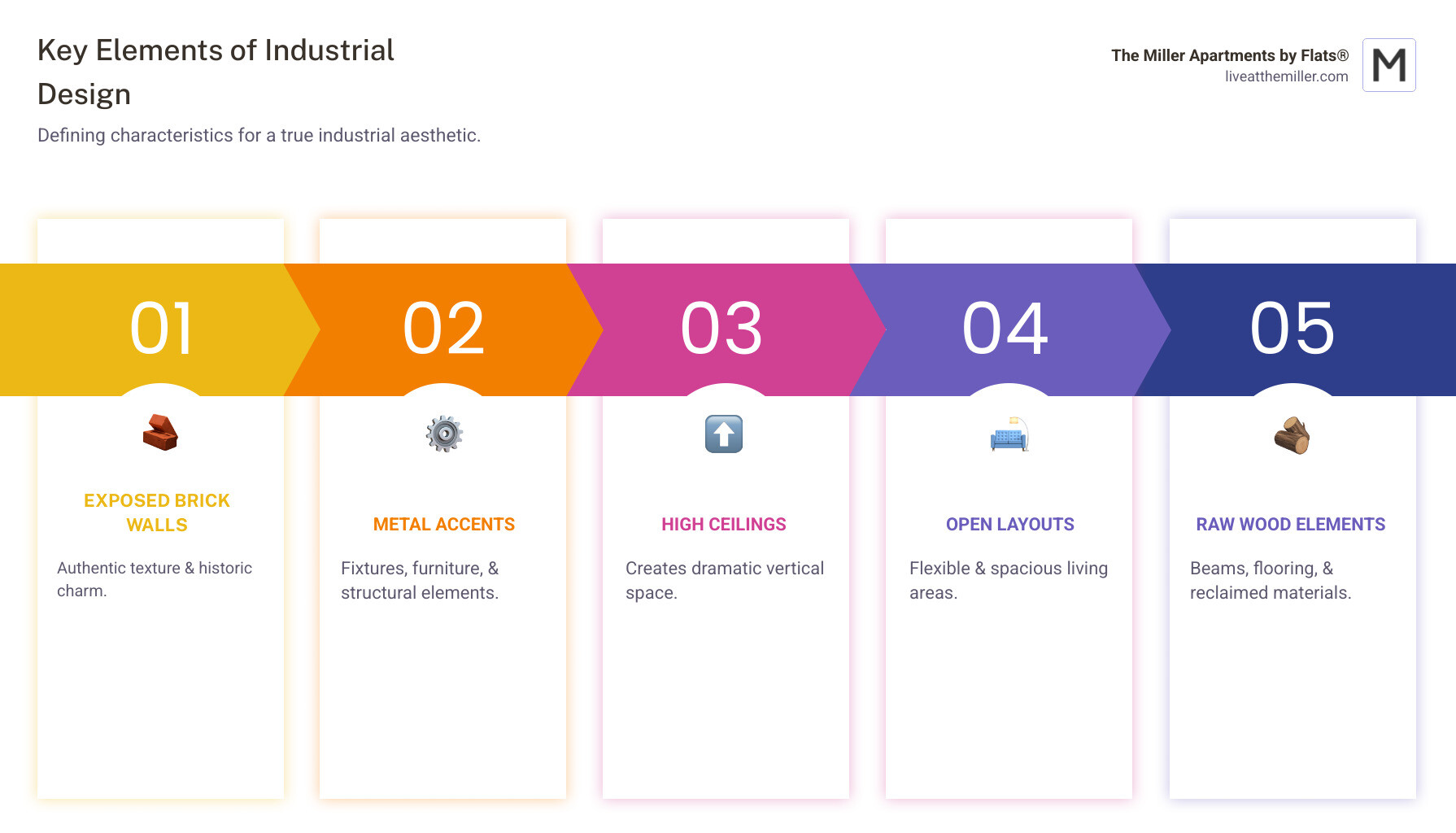
- Exposed structural elements - brick walls, steel beams, concrete floors, visible ductwork
- High ceilings and large windows - often with black metal frames for maximum light
- Open floor plans - minimal walls to showcase spacious, loft-like living
- Raw materials - weathered wood, polished concrete, reclaimed metal accents
- Neutral color palette - whites, grays, blacks, and natural wood tones
- Minimalist approach - clean lines with carefully curated statement pieces
This design style emerged in the 1960s and 70s when artists began converting abandoned industrial buildings into live-work spaces. What started as necessity became a coveted aesthetic that celebrates the honest beauty of raw materials and architectural history.
Industrial style is often described as a blend of modern and farmhouse aesthetics - it's laid-back yet sophisticated, rough yet refined. The style has evolved from literal factory conversions to a more polished approach that blends industrial elements with modern comfort.
Today's industrial apartments aren't just about exposed pipes and concrete walls. They're about creating warm, livable spaces that honor industrial heritage while providing all the amenities of modern living.
The enduring popularity of the industrial aesthetic stems from its unique blend of history, functionality, and raw beauty. It offers a canvas for personal expression, allowing residents to create a space that feels both grounded and aspirational. Whether residing in a true warehouse conversion or aiming to infuse the style into a modern dwelling, understanding the core components is key to achieving this sought-after look.
Key Features of an Industrial Style Apartment

When you step into an industrial style apartment, you're greeted by a unique blend of raw materials and architectural honesty that tells a story. These spaces celebrate their heritage instead of hiding it, creating homes that feel both grounded in history and refreshingly modern.
Architectural Elements
The bones of an industrial style apartment make the first impression, and what impressive bones they are. High ceilings soar overhead, often reaching 12 feet or more, creating a sense of grandeur that immediately sets these spaces apart. This vertical drama doesn't just look stunning - it opens up possibilities for creative lighting, tall artwork, and even mezzanine levels that add extra living space.
Large, black-framed windows serve as the space's connection to the outside world. These aren't your typical residential windows - they're often oversized with steel frames that echo the industrial past. The dark frames create striking contrast while flooding the interior with natural light that softens all those raw materials beautifully.
The open-plan layout is where industrial living truly shines. Instead of chopping up the space with walls, these apartments accept flow and connection. Your kitchen, living room, and dining area blend seamlessly together, creating a sense of spaciousness that makes even compact spaces feel grand.
But here's where things get really interesting - the exposed structural elements that most buildings try to hide become the star of the show.
Raw Materials
Exposed brick walls bring instant character and warmth to any space. These aren't perfect, pristine surfaces - they're weathered, textured, and full of personality. Each brick tells part of the building's story, whether it housed textile workers a century ago or manufactured goods during the industrial boom.
Polished concrete floors might sound cold, but they're actually incredibly practical and beautiful. They reflect light, stay cool in summer, and develop a subtle patina over time. Plus, they're nearly indestructible - perfect for busy urban living.
Reclaimed wood elements add the organic touch that keeps industrial spaces from feeling too stark. Whether it's ceiling beams overhead or accent walls, this weathered wood brings warmth and softness to balance out the harder materials.
Exposed ductwork and pipes turn functional necessities into design features. Instead of hiding behind drop ceilings, these elements become part of the visual story. Many residents grow to love the honest utility of seeing how their building actually works.
Steel beams and columns provide the literal backbone of these spaces. Left exposed, they showcase the engineering that makes these soaring open spaces possible. They're not just structural - they're sculptural.
The neutral color palette ties everything together with sophisticated restraint. Think warm grays, crisp whites, deep charcoals, and the natural tones of aged wood and weathered brick. This restrained approach lets the textures and materials take center stage, creating spaces that feel both dramatic and serene.
These elements work together to create living spaces that honor their industrial past while providing all the comfort and style modern life demands. It's this balance between raw and refined that makes industrial living so appealing to those who want their home to have both character and sophistication.
Mastering the Layout: Space and Light in Industrial Lofts
The vast, open nature of an industrial style apartment presents both a challenge and an opportunity. The key is to create functional zones within the expansive space while maximizing the natural light that is so characteristic of these homes.
Open-Plan Living
While the absence of walls is liberating, it requires thoughtful planning to ensure the space feels cohesive and livable, rather than cavernous.
- Creating zones: The goal is to define distinct areas for different activities (living, dining, working) without building permanent walls. This can be achieved through clever design strategies.
- Using area rugs: A large area rug can visually anchor a seating arrangement, clearly delineating the living room from other areas. It also adds warmth, texture, and can help with acoustics in a large, echoing space.
- Furniture grouping: Arranging furniture in conversational clusters, rather than pushing everything against the walls, helps to create intimate "rooms" within the open plan. A sectional sofa, for example, can naturally define a cozy lounge area.
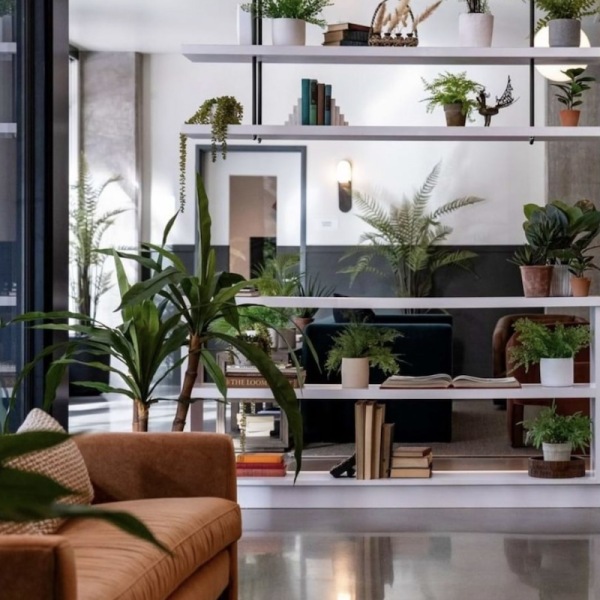
- Freestanding shelves: Open-back shelving units or tall bookcases can act as semi-transparent room dividers, providing definition without blocking light or completely closing off a space. They also offer valuable storage and display opportunities, helping to delineate spaces without sacrificing the open feel.
Maximizing natural light
Industrial apartments are typically blessed with abundant natural light, often from oversized windows. Using this light is paramount.
- Minimal window treatments: To maximize light and preserve the expansive views, opt for subtle window treatments. Simple roller shades, sheer curtains, or ripple fold drapes that match wall colors are ideal. They provide privacy when needed without obstructing the light or the architectural beauty of the windows themselves.
- Utilizing vertical space: With towering ceilings, industrial lofts offer incredible vertical opportunities.
- Mezzanines: A common feature in some industrial conversions, mezzanines add usable square footage without encroaching on the main floor's openness. They can serve as a bedroom, home office, or a cozy reading nook, creating an intimate area within the grand scale.
- Statement lighting: High ceilings are perfect for large-scale lighting fixtures that would overwhelm a standard apartment. Oversized pendant lights, chandeliers, or industrial-style track lighting can draw the eye upward, emphasizing the height and adding dramatic flair. Lighting can also be used to highlight architectural features like columns or exposed beams, making them focal points.
- For those interested in exploring how modern apartment design integrates these principles for optimal living, further insights can be found regarding contemporary approaches to space and light utilization at More info about modern apartment building design ideas.
The careful consideration of layout and light transforms a vast industrial shell into a highly functional, beautiful, and naturally illuminated home.
Decorating Your Industrial Apartment: From Raw to Refined
While the core of an industrial style apartment is its raw, unadorned structure, decorating is where personality truly shines, changing the space from stark to sophisticated. The goal is to balance the inherent hardness of industrial materials with elements that bring warmth, comfort, and a touch of refinement.

Furniture choices
The furniture in an industrial apartment should complement its strong architectural features.
- Balance of hard and soft: This is crucial. Pair the coolness of metal and concrete with the softness of upholstered pieces. Think a sturdy metal-framed bookshelf next to a plush velvet armchair.
- Vintage and modern pieces: An eclectic mix of old and new adds character and depth. A vintage leather club chair can sit comfortably alongside a sleek, contemporary dining table. This blend prevents the space from feeling like a museum or a sterile showroom.
- Leather sofas: A classic choice, a distressed leather sofa brings warmth, texture, and a timeless appeal that ages beautifully.
- Metal-and-wood tables: These pieces perfectly embody the industrial aesthetic, combining the strength of metal with the organic warmth of wood. They are functional and visually appealing, whether used as coffee tables, dining tables, or side tables.
Creating warmth
To ensure an industrial apartment feels inviting rather than cold, focus on introducing elements that soften and humanize the space.
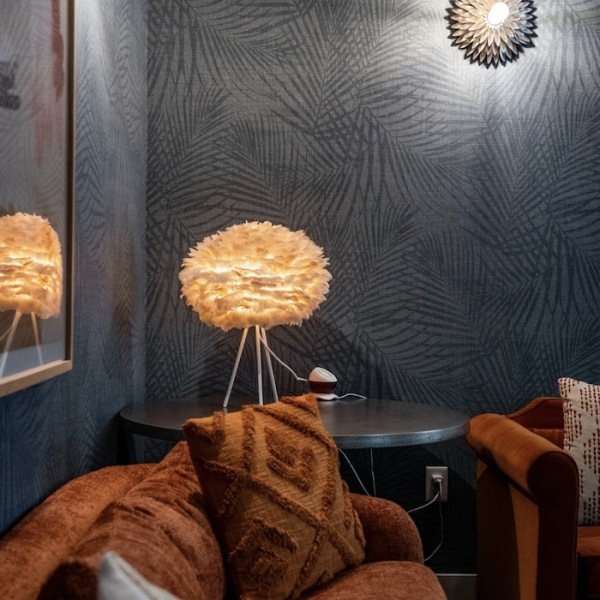
- Soft textiles: Layering is key. Incorporate plush rugs, cozy throws draped over sofas, and decorative pillows with varied textures. These elements absorb sound and add a much-needed tactile dimension.
- Houseplants: Greenery brings life, color, and a sense of calm to any space. Large floor plants can fill vertical space, while smaller plants can add charm to shelves and tabletops. They provide a vibrant contrast to the neutral palette and hard materials.
- Warm-toned lighting: Beyond just fixtures, the type of light itself is vital. Opt for bulbs with a warm glow (lower Kelvin temperatures) to create a cozy ambiance. Edison bulbs, with their visible filaments, are a popular choice, providing a soft, nostalgic light. Strategically placed floor lamps, table lamps, and wall sconces can create pools of light, enhancing intimacy in large rooms.
- Curated art: Artwork adds personality and a splash of color. Large-scale pieces can hold their own against vast walls, while a gallery wall can tell a visual story. Art helps to make the space feel lived-in and personal.

Blending Industrial with Other Styles
The beauty of industrial design lies in its versatility. It serves as an excellent foundation for blending with other aesthetics, creating unique and personalized looks.
- Industrial-Modern: This blend refines the raw edges of industrial style with sleek lines, polished surfaces, and contemporary furniture. It often features a more minimalist approach, focusing on form and function.
- Industrial-Scandinavian: Combining the industrial aesthetic with Scandinavian warmth results in a bright, airy, and cozy space. Think exposed brick paired with light wood, minimalist furniture, soft textiles, and plenty of natural light.
- Industrial-Bohemian: This eclectic mix introduces vibrant colors, global patterns, layered textiles, and an abundance of plants to the industrial backdrop. It's relaxed, artistic, and full of personality.
- Clean lines: Regardless of the blend, maintaining clean lines in furniture and decor helps to keep the space from feeling cluttered.
- Cozy textiles: Always a vital component to soften the industrial elements and make the space feel inviting.
- Eclectic decor: Accept mixing and matching. Found objects, vintage treasures, and modern pieces can coexist beautifully.
Personalizing your industrial style apartment
Your apartment should reflect who you are. The industrial backdrop provides a perfect stage for your unique story.
- Unique pieces: Seek out one-of-a-kind items, whether from antique shops, flea markets, or local artisans. These pieces add character and ensure your home doesn't look like a catalog page.
- DIY projects: Accept the hands-on spirit of industrial design. Creating your own furniture or decor items can add a personal touch and often aligns with the repurpose-and-reuse ethos of the style.
- Showcasing collections: Display your passions. Whether it's vintage cameras, vinyl records, or travel souvenirs, collections add layers of interest and tell your story.
To dig deeper into how modern interior design ideas can transform your living space, incorporating personal touches and diverse styles, you might find valuable insights at More info about modern apartment interior design ideas. This resource can help you visualize how these concepts apply to luxury apartment living.
Frequently Asked Questions about Industrial Apartments
Living in an industrial style apartment brings up some common questions about comfort, practicality, and achieving that perfect raw-yet-refined look. Let's explore the most frequently asked questions to help you understand what makes these spaces so special.
How do you make an industrial apartment feel cozy?
The secret to changing a potentially stark industrial space into a warm, inviting home lies in thoughtful layering and balancing those beautiful raw materials with softer elements.
Soft textures are your best friend when it comes to creating coziness. Think plush area rugs that define seating areas and add warmth underfoot. Chunky knit throws draped over leather sofas instantly make them more inviting, while decorative pillows in velvet, wool, or linen add both visual and tactile comfort. These textiles also help absorb sound in those high-ceilinged spaces, making conversations feel more intimate.
Wood elements work magic in balancing the coolness of metal and concrete. Whether it's a reclaimed wood dining table, floating shelves, or even decorative accents, natural wood brings an organic warmth that makes the space feel lived-in rather than museum-like.
Lighting sets the mood more than almost anything else. Skip the harsh overhead fluorescents and create a warm ambiance with multiple light sources. Floor lamps with Edison bulbs, table lamps with warm-toned bulbs, and strategically placed wall sconces create those cozy pools of light that make even the largest loft feel intimate.
Houseplants bring life to industrial spaces in the most literal sense. Large floor plants like fiddle leaf figs or rubber trees help fill vertical space, while smaller plants on shelves and windowsills add color and freshness. The contrast between living greenery and raw materials creates a beautiful balance.
What is the difference between a loft and an apartment?
This is a great question that often confuses people, especially when apartment hunting in urban areas.
A loft typically refers to a converted industrial or commercial space that's been transformed into residential living. These spaces were originally factories, warehouses, or commercial buildings, which explains their distinctive features. True lofts maintain their industrial DNA with soaring ceilings often reaching 12 feet or higher, massive windows that were designed to flood factory floors with natural light, and completely open floor plans with minimal interior walls.
The beauty of lofts lies in their exposed structural elements - those gorgeous brick walls, visible steel beams, concrete floors, and sometimes even exposed ductwork that becomes part of the aesthetic rather than something to hide.
A standard apartment, on the other hand, was purpose-built for residential living from the ground up. These spaces typically feature more traditional layouts with defined rooms, standard ceiling heights, and conventional window sizes. While modern apartments might incorporate open-concept designs or industrial-inspired finishes, they lack the authentic historical character and architectural bones of a true loft conversion.
Can I create an industrial look in a regular apartment?
Absolutely! You don't need to live in a converted warehouse to enjoy the industrial style apartment aesthetic. With some strategic choices, you can bring those raw, sophisticated vibes into any living space.
Furniture selection is key to achieving the look. Focus on pieces that combine metal and wood - think dining tables with reclaimed wood tops and steel legs, or bed frames that mix materials. These pieces instantly communicate the industrial aesthetic without requiring major renovations.
Lighting makes a huge impact and is one of the easiest changes to make. Replace standard fixtures with pendant lights featuring exposed Edison bulbs, track lighting with industrial-style heads, or floor lamps with metal cage designs. The warm glow of Edison bulbs perfectly captures that factory-turned-home feeling.
Your color palette should stay neutral - grays, whites, and blacks for your base, with warmth coming through natural wood tones and carefully chosen textiles. This restrained approach lets the materials and textures take center stage.
Faux finishes can work wonders when you don't have real exposed brick or concrete. Self-adhesive brick wallpaper or thin veneer panels can create convincing accent walls, while concrete-effect paint gives walls that raw, urban feel.
Open shelving in the kitchen or living areas adds that utilitarian vibe while keeping things functional. Replace some upper cabinets with metal or wood shelving to display dishes and create visual breathing room.
The key is focusing on the core principles of industrial design - celebrating raw materials, maintaining clean lines, and choosing pieces that feel both functional and beautiful. Even small touches like switching to black matte cabinet hardware or adding a vintage factory cart as a coffee table can help transform your space into an industrial-inspired haven.
Conclusion: Accept the Industrial Chic Lifestyle
Living in an industrial style apartment means embracing a lifestyle that celebrates the beautiful marriage of history and modern comfort. It's about finding joy in the honest beauty of raw materials - the warmth of exposed brick telling stories of the past, the strength of steel beams reaching toward soaring ceilings, and the quiet elegance of polished concrete beneath your feet.
The magic of industrial living lies in how these seemingly harsh elements transform into something deeply inviting. Open spaces become canvases for creativity, where you can craft distinct zones for work, rest, and play without the constraints of traditional walls. The generous natural light that floods through those signature large windows doesn't just illuminate your home - it brings the outside world in, making every day feel a little brighter.
What makes this style truly special is its versatility. Whether you're drawn to the clean lines of modern design, the cozy textures of Scandinavian style, or the free-spirited energy of bohemian decor, industrial design provides the perfect foundation. It adapts to your personality while maintaining its distinctive character.
Perhaps most importantly, an industrial style apartment becomes deeply personal through the stories you layer within it. Every vintage find, every carefully chosen piece of art, every plant that softens a concrete corner - these elements transform raw space into a reflection of who you are. It's about celebrating both the building's industrial history and your own unique vision for modern living.
The industrial chic lifestyle isn't just about living in a space - it's about choosing a home that honors the past while embracing the future. For those ready to experience this perfect blend of urban sophistication and modern comfort, The Miller Apartments offers luxury living that captures this very essence in Vancouver's vibrant Waterfront neighborhood. Explore our modern design apartments and find how industrial elegance can become your everyday reality.