

Embracing Your Loft's Potential
If you're wondering how to decorate a loft style apartment, here are key steps to consider:
- Define zones: Use furniture and rugs to create distinct areas in your open layout.
- Balance materials: Mix raw, industrial elements like concrete and brick with soft textures and warm woods.
- Use height: Make the most of high ceilings with tall shelving, dramatic lighting, and large art.
- Maximize light: Keep window treatments minimal to let in plenty of natural light.
- Choose smart furniture: Opt for versatile, multi-functional pieces with clean lines.
There's something truly captivating about loft apartments. Their unique character often comes from a past life, perhaps as a busy factory or a grand warehouse. These spaces offer incredible features like soaring high ceilings, expansive open layouts, and a distinct industrial charm. This makes them a powerful blank canvas for your personal style and creative expression.
Understanding the Loft Aesthetic
The story of how to decorate a loft style apartment begins with understanding where these unique spaces came from. Picture this: busy factories and warehouses that once hummed with industrial activity, now transformed into some of the most sought-after living spaces in cities like New York and Chicago.
This change didn't happen overnight. In the mid-20th century, as industries moved away from city centers, these massive buildings sat empty-until creative minds saw their potential. Artists were the pioneers, drawn to the soaring ceilings and abundant natural light that made perfect studios for their work.
What started as necessity became a movement. These creative communities turned industrial shells into vibrant living spaces, and the trend caught on so strongly that New York City eventually passed the Loft Law of 1982. This landmark legislation made it official-these former industrial spaces could legally become homes, as long as they met residential building codes.
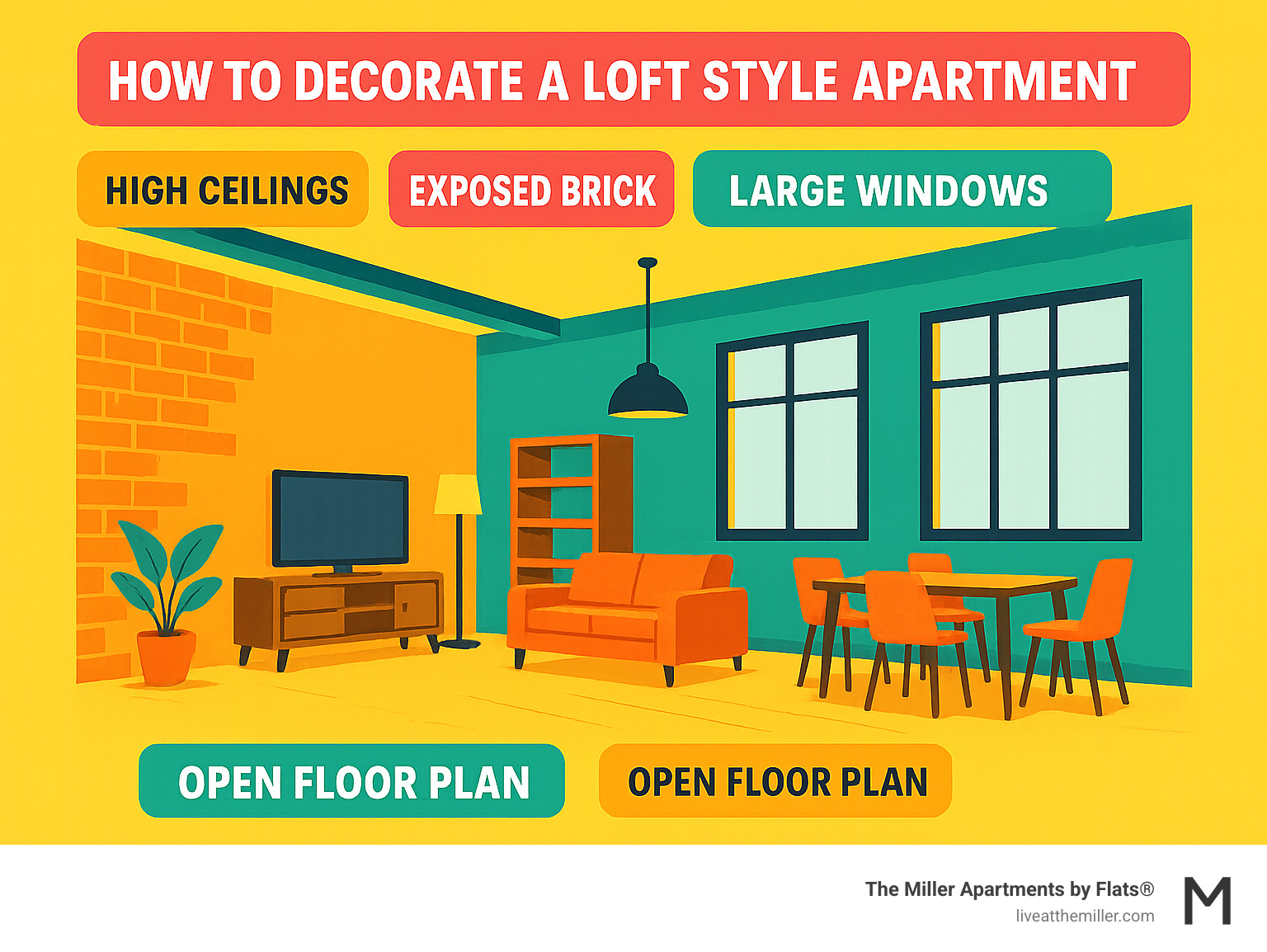
The defining characteristics of today's loft apartments still celebrate this rich industrial heritage. When you walk into a true loft, you'll immediately notice the exposed brick walls that tell stories of the building's past. Those concrete floors aren't trying to hide what they are-they're part of the charm.
Look up, and you'll see soaring ceilings that make even modest square footage feel grand. Metal beams stretch across the space, no longer hidden behind drywall but showcased as architectural features. The exposed ductwork and piping that once seemed purely functional now add character and authenticity to the design.
Oversized windows are another signature element, flooding these spaces with natural light and often offering stunning city views. Some lofts even feature mezzanine levels-small second floors that overlook the main living area, adding even more vertical drama to the space.
This blend of raw industrial elements with modern comfort is what gives lofts their enduring appeal. The open floor plans create endless possibilities for customization, making each loft a unique reflection of its inhabitant's style and needs.
How to Decorate a Loft Style Apartment by Defining Functional Zones
The open-concept nature of a loft apartment, while liberating, can present unique challenges, particularly when it comes to defining distinct functional zones without building walls. The goal is to make the vast space feel intentional and organized, not overwhelming or scattered.
One of the most effective strategies is furniture grouping. Arranging furniture strategically can create invisible boundaries. For instance, a large sectional sofa can naturally delineate a living room area, with its back facing a dining space or workspace. This creates a cozy, contained feeling within the larger open plan.
Area rugs are another powerful tool for delineation. Placing a large rug under living room furniture clearly marks out a seating area, acting as an 'island' in the open floor plan. Similarly, a rug under a dining table can define the dining zone. They not only separate spaces but also add warmth, texture, and color, grounding the furniture within each designated area.
Strategic lighting can also help. Pendant lights hung low over a dining table or kitchen island draw attention to that specific zone. Floor lamps can highlight a reading nook, while track lighting can illuminate a gallery wall, subtly defining a visual path through the space.
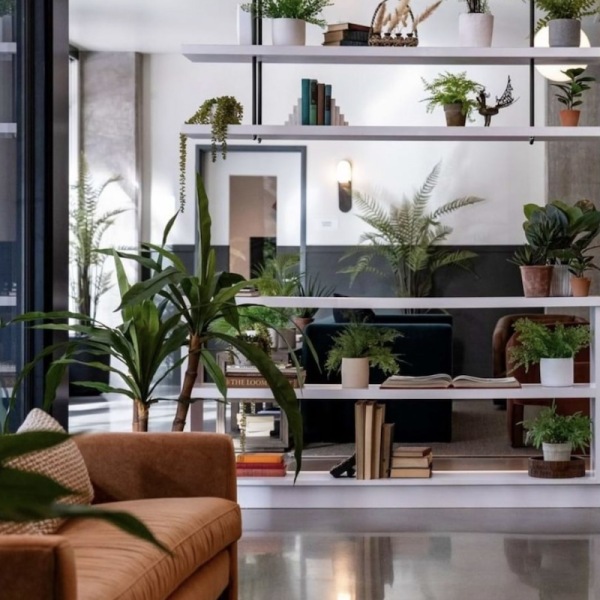
For more pronounced separation without permanent walls, consider room dividers. Decorative screens, especially those with interesting patterns or materials, can offer privacy and visual interest. Tall, open bookshelves are excellent for this purpose; they provide storage and display space while acting as a semi-transparent partition that doesn't completely block light or airflow. For instance, a bookshelf can separate a sleeping area from the main living space, providing a sense of enclosure while maintaining the loft's open feel.
Maintaining visual flow is crucial. A tight, neutral color scheme across the main structural elements (walls, large furniture) can ensure an easy flow through the loft, even as distinct zones are created. This cohesiveness allows each defined area to stand on its own while contributing to a harmonious whole.

To explore more ideas for creating distinct areas within your living space, you can find more info about modern living room design.
Balancing Industrial Edge with Cozy Comfort
The magic of how to decorate a loft style apartment lies in creating harmony between two seemingly opposing forces. On one hand, you have those stunning industrial elements - the exposed brick walls, concrete floors, and metal beams that give your space its character. On the other hand, you want a home that feels warm and inviting, not like you're living in a factory.
Think of it as a conversation between old and new, hard and soft. The trick is letting each element shine while creating a space that truly feels like home.
Textures and Materials to Add Warmth
The secret to softening industrial edges without losing that coveted loft vibe is all about juxtaposing materials. Picture this: rough exposed brick paired with smooth, polished concrete, then both softened with luxurious fabrics that invite you to curl up and stay awhile.
Layering textures is your best friend here. Start from the ground up with plush rugs that feel wonderful underfoot. They do double duty - defining your spaces while absorbing sound in those high-ceiling rooms. Nobody wants their footsteps echoing like they're in a gymnasium.
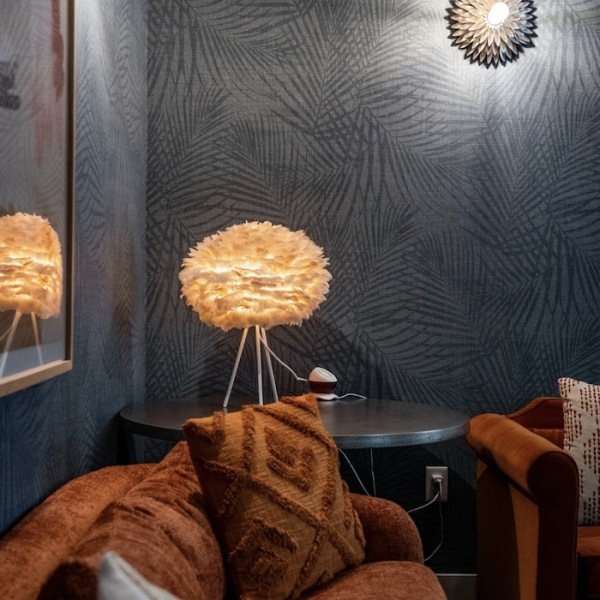
Next, bring in soft textiles that practically beg to be touched. Drape knit throws over your sofa arms and chair backs. These aren't just decorative - they're an invitation to get cozy. Add velvet pillows for that touch of luxury that makes industrial feel refined rather than rough.
Warm woods work wonders in loft spaces. Whether it's a reclaimed wood dining table or floating shelves, wood brings natural warmth and a sense of history that complements your space's industrial past. Leather furniture is another winner - it gets better with age and adds sophisticated warmth that feels both durable and inviting.
Don't forget about houseplants. A few large potted plants or even a small indoor garden can transform harsh industrial lines into something more organic and alive. They're like having a piece of the outdoors inside, which is especially nice when you're surrounded by all that urban concrete and steel.

Selecting a Color Palette for Your Loft
When choosing colors for your loft, a neutral base is your foundation for success. This doesn't mean boring - it means smart. Whites, grays, and beige create an airy, expansive feeling that makes your space feel even larger than it already is. Earth tones like warm browns and soft taupes can add natural warmth without overwhelming the space.
The beauty of starting neutral is that you can have fun with bold accent colors. Think of your neutral walls and large furniture as a gallery backdrop. Then add personality through colorful artwork, vibrant throw pillows, or a statement rug. This approach lets you change things up seasonally or whenever you're ready for something new, without repainting everything.
If you're feeling adventurous, moody palettes with deeper colors can create an intimate, sophisticated atmosphere. Dark blues, rich greens, or even charcoal can make your loft feel cozy and dramatic, especially when paired with the right lighting.
Here's a game-changer: if your exposed brick feels too dark or overwhelming, consider painting brick white or another light color. This keeps the texture and character you love while brightening the entire space. It's like having the best of both worlds - industrial charm with a fresh, modern feel.
For more inspiration on bringing these color and texture ideas together, you can see inspiring loft designs that showcase how these elements work in real homes.
Maximizing Light and Embracing Vertical Space
Loft apartments are often blessed with an abundance of natural light and impressive vertical space, thanks to their oversized windows and soaring ceilings. Leveraging these features is paramount to creating a well-designed and functional home.
Lighting Strategies for High Ceilings
The oversized windows in lofts are an architectural gift. To maximize natural light, keep window treatments sheer or minimalist. Heavy, light-blocking curtains can diminish the open, airy feel. Instead, opt for sheer curtains that filter sunlight while safeguarding privacy, or even leave windows bare to emphasize the urban skyline.
Given the high ceilings, a comprehensive layered lighting strategy is essential.
- Ambient lighting provides overall illumination. This can come from recessed lighting or large, statement fixtures that cast a wide glow.
- Task lighting is crucial for specific activities, such as reading lamps by a sofa or under-cabinet lighting in the kitchen.
- Accent lighting highlights architectural features or artwork, adding dramatic effect. Think subtle lighting aimed at an exposed brick wall or a unique sculpture.
Statement fixtures are particularly effective in lofts due to the vertical space. Grand chandeliers can become a striking focal point, hanging neatly in the vast expanse. Pendant lights can be used to define zones, such as over a dining table or kitchen island. Industrial-style sconces mounted on walls can complement the raw aesthetic while providing focused light. For raised bedroom areas, wall-mounted sconces and built-in overhead lighting are safer and more practical than floor lamps, which could pose a hazard due to lower ceilings and edges.
Here is a list of essential lighting types for lofts:
- Recessed lighting for general ambient light.
- Large chandeliers or oversized pendant lights for statement and ambient light.
- Floor lamps for flexible task and ambient lighting in specific zones.
- Table lamps for intimate task lighting.
- Wall-mounted sconces for accent lighting and for raised areas.
- Track lighting to highlight art or architectural features.
- Under-cabinet lighting for kitchens and workspaces.
Smart Storage for Open-Concept Living
The generous vertical space in lofts offers incredible opportunities for storage and display. Instead of letting this height go to waste, use it creatively.
Tall bookcases are a natural fit, drawing the eye upwards and providing ample storage for books, decor, and personal collections. Wall-mounted shelves, especially floating shelves, maintain an open feel while offering practical storage. Ladder shelving units are another stylish and functional option, leaning against the wall and providing multiple tiers for display. These vertical solutions help transform underused air space into practical storage areas.
Furthermore, multi-functional furniture is key in open-concept living. Storage ottomans can serve as extra seating, a footrest, or a coffee table while hiding clutter. Lift-top coffee tables offer hidden storage compartments, perfect for remote controls, magazines, or blankets. By choosing pieces that serve more than one function, you can optimize available space and lift functionality.

To gather more inspiration for maximizing space and incorporating modern design, you can explore modern building design ideas.
Furnishing and Personalizing Your Loft
So, you've got this amazing loft with its high ceilings and open spaces. Now comes the fun part: making it truly feel like home! Furnishing a loft needs a bit of clever thinking because of its unique size and layout. The trick is to pick pieces that not only look great but also make the most of your space, all while showing off your personal style.
How to Decorate a Loft Style Apartment with Furniture and Art
When you're choosing furniture, scale is super important. You don't want tiny pieces that get swallowed up by the vastness of the room. On the other hand, super bulky items can make the space feel heavy. Aim for proportional pieces - furniture that feels solid and balanced in your large loft. Think about low-profile sofas and modular sectionals. These are fantastic for lofts! They offer plenty of comfy seating without blocking your view, and their clean, simple lines fit perfectly with that modern loft vibe. Don't forget multi-functional furniture, like sofa beds or coffee tables with hidden storage. These pieces are like secret agents, saving space and adding versatility.
Now, let's talk about art! Those big, open walls in your loft are like a giant canvas just waiting for your creativity. A single, large-scale painting can become an amazing focal point, instantly drawing the eye and adding so much character. Or, you could create a beautiful gallery wall with a collection of smaller pieces that tell a story about you. And don't forget sculptural elements! A unique sculpture or even a cool, distinct light fixture can also be a work of art, blending function with beauty. Oversized or tall artwork can even play a visual trick, making your already high ceilings feel even grander.
For more inspiration on how to integrate furniture and art seamlessly into a contemporary setting, you can find more modern interior design ideas.
How to Decorate a Loft Style Apartment with Personal Touches
After you've got the main furniture pieces in place, the real magic begins: personalizing your space. This is where your loft truly transforms from just a stylish place to live into a sanctuary that's uniquely you.
The best way to do this is to curate your decor with a careful eye. Think about quality and what genuinely reflects your personality, rather than just filling every corner. In a big loft, simplicity often shines brightest. Try to avoid clutter; instead, pick a few special pieces that you truly love and that have meaning to you.
Showcasing collections is a wonderful way to add that personal touch. Maybe you collect vintage cameras, unique pottery, or abstract sculptures? Displaying them thoughtfully makes your home feel lived-in and interesting. And don't forget personal photos and travel souvenirs! These items instantly weave your memories and trips into your home's story, making it feel intimately yours.
The goal is to gently infuse your personality into the loft's industrial feel. When you do this, you create a space that feels both sophisticated and incredibly comfortable - a home that's perfectly suited to you.

Conclusion
Decorating a loft-style apartment is truly an exciting trip that brings together the raw, authentic beauty of industrial architecture with the inviting warmth of contemporary living. The journey of learning how to decorate a loft style apartment becomes so much more rewarding when you accept rather than fight against those distinctive features that make your space special.
Those exposed brick walls, soaring ceilings, and expansive open layouts aren't obstacles to overcome-they're the very elements that give your home its unique character and charm. The key is working with these features to create something that feels both sophisticated and genuinely livable.
Start by defining your functional zones using thoughtful furniture arrangements and well-placed area rugs. This helps transform that vast open space into cozy, purposeful areas that actually feel like home. Then focus on balancing the industrial edge with layers of soft textures, warm colors, and inviting materials that make you want to curl up with a good book.
Don't forget to make the most of that incredible vertical space with smart storage solutions and dramatic lighting that draws the eye upward. Finally, the magic really happens when you personalize your space with meaningful art, cherished collections, and those special items that tell your unique story.
The Miller Apartments understands this delicate balance between industrial heritage and modern comfort. Located in the vibrant Vancouver Waterfront neighborhood of Vancouver, WA, these luxury residences blend contemporary design with the area's rich industrial history. The thoughtfully designed spaces provide an ideal canvas for applying these decorating principles, emphasizing the perfect combination of convenience, comfort, and sophistication in a prime location.
If you're ready to put these ideas into practice, explore The Miller's Modern Design Apartments to find your perfect loft-style home where industrial charm meets modern luxury.