


Find the Right Fitness Class Schedule for Your Routine
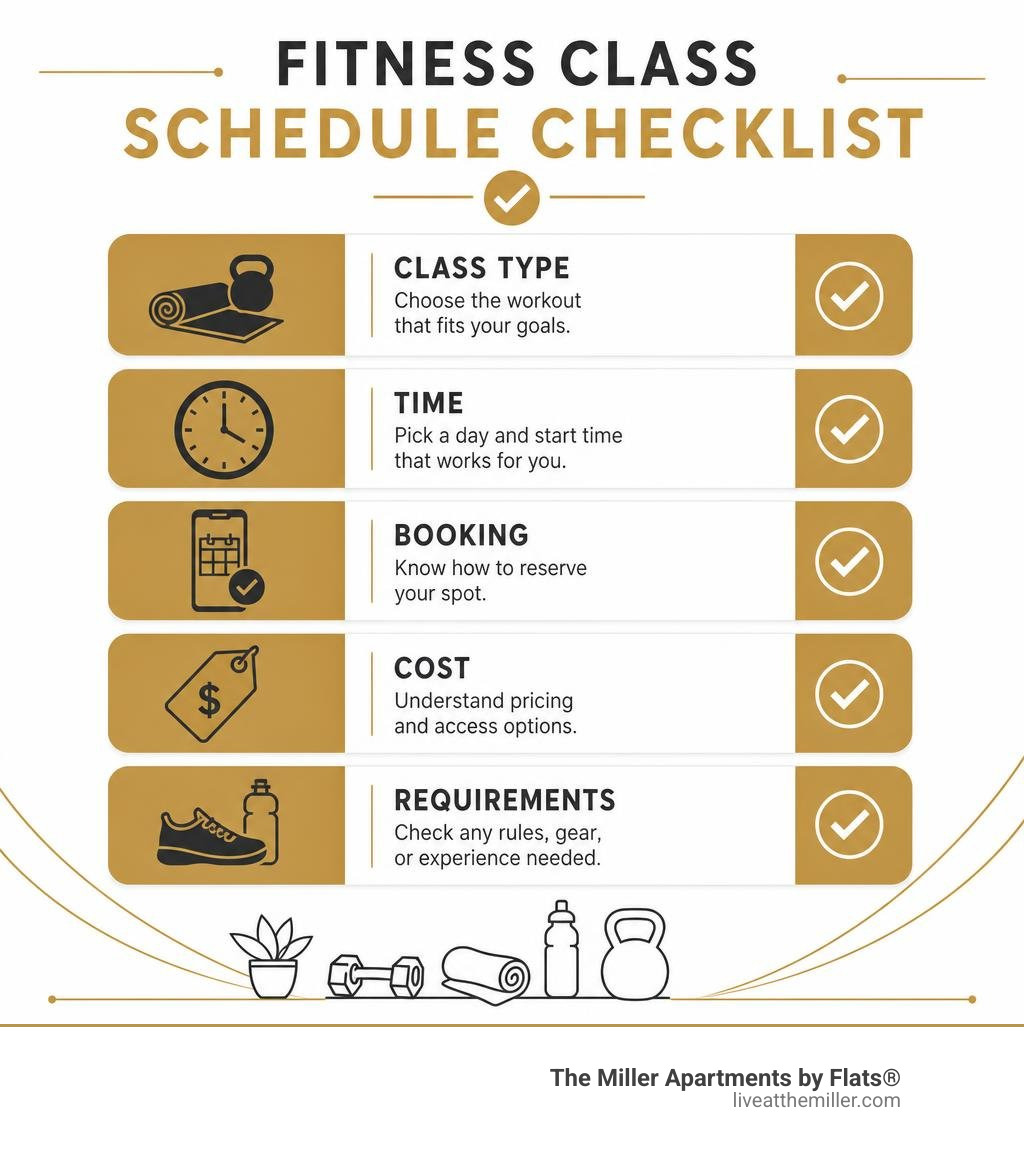
A fitness class schedule shows which workouts are available, when they meet, where they take place, and whether you need to reserve a spot.
| What to check | Why it matters |
|---|---|
| Class type | Choose from options such as yoga, cycling, strength training, dance cardio, Pilates, HIIT, or aqua fitness. |
| Day and start time | Many facilities offer early morning, daytime, and evening sessions. |
| Reservation rules | Booking may happen through an app, online portal, front desk, or walk-in sign-up. |
| Cost and access | Options often include drop-ins, multi-class passes, monthly access, member benefits, and trials. |
| Requirements | Some classes have age rules, orientation sessions, equipment needs, or suggested experience levels. |
Group workouts can make it easier to plan a repeatable routine without having to design every workout yourself. A good schedule also helps you mix cardio, strength, mobility, and recovery across the week.
Because timetables can shift with seasons, instructor availability, and facility updates, check the current schedule before heading out. This guide explains how to read class calendars, compare formats, understand booking policies, and find a class that works with your day.
Understanding Your Local Fitness Class Schedule Options
Finding the right group workout experience begins with understanding how local centers construct their weekly calendars. A standard fitness class schedule organizes session times, exercise types, room locations, and instructor details into a accessible grid. Whether you are aiming to start a morning strength routine or unspool after a busy workday with evening yoga, knowing how to navigate these calendars ensures you never miss a workout.

Fitness centers, civic recreation hubs, and residential fitness centers design their timetables around daily human rhythms. Facilities typically run early morning sessions to accommodate early risers before typical business hours, quiet mid-morning blocks for local residents, and vibrant evening slots for after-work exercise routines. Modern community spaces often publish dynamic calendars updated in real time alongside seasonal print versions, allowing participants to plan their weeks effectively.
Exploring available Land Fitness Options reveals how varied workout spaces can be. When staying active is a priority, having access to specialized spaces makes adhering to your physical goals seamless. For residents living in modern communities, choosing fitness center apartments wa brings these schedule advantages right to your front door.
Morning vs Evening Fitness Class Schedule Flexibility
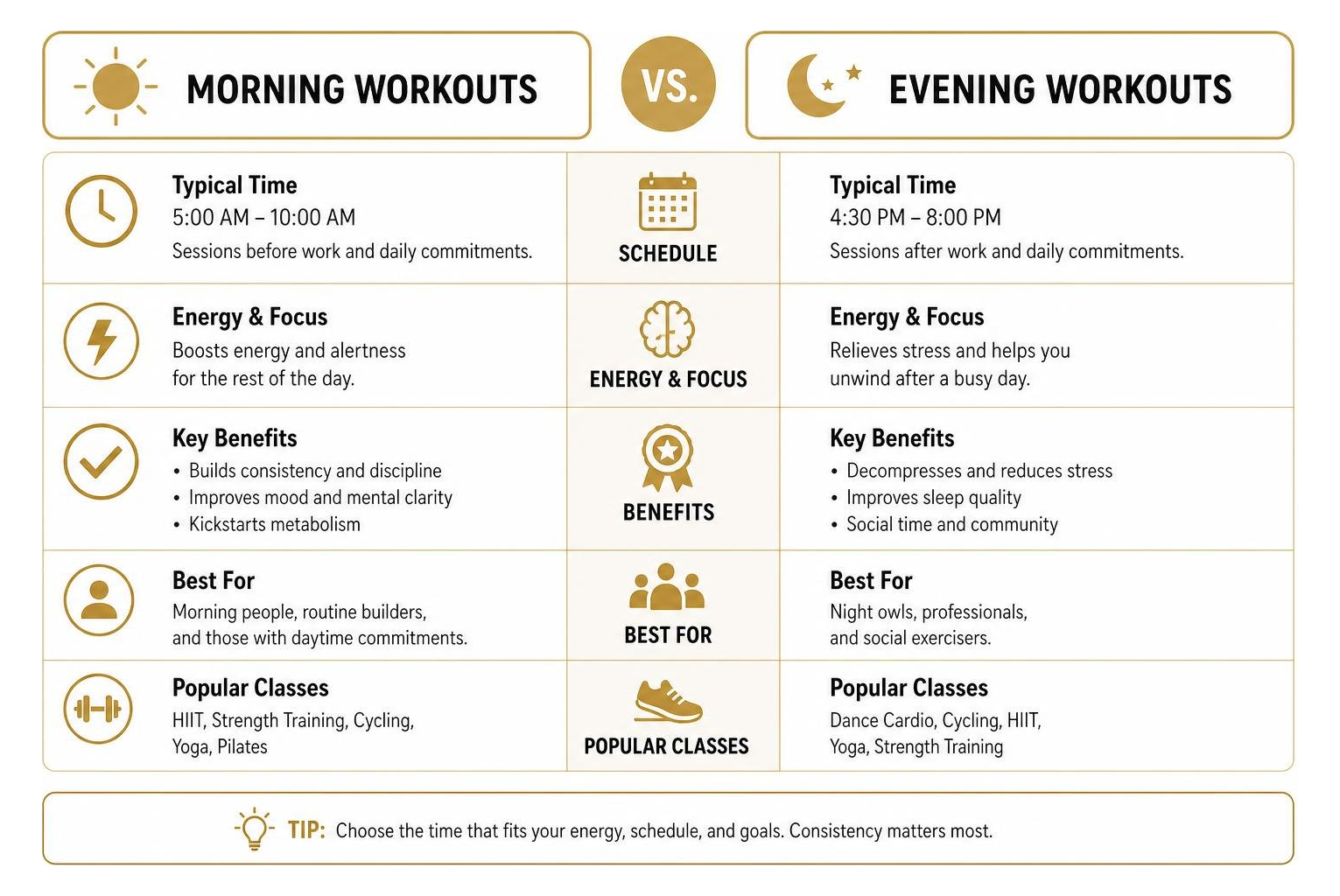
Selecting between morning and evening group workouts depends largely on your personal energy curves and schedule demands. Early morning options often begin as early as 5:15 AM or 6:00 AM, catering to those who prefer completing their physical exercise before daily obligations kick in. Morning sessions are excellent for elevating baseline energy, improving mental clarity, and establishing consistent habits before unpredictable daily distractions arise.
Evening classes, running anywhere from 4:30 PM to 8:00 PM, serve a different vital purpose. They offer a physical outlet to decompress from daily stressors, transition out of work mode, and socialize with community members. Evening slots frequently feature energetic dance cardio, high-intensity cycling, or restorative twilight yoga.
How to Read a Weekly Fitness Class Schedule Matrix
At first glance, a dense weekly group exercise calendar can look like an intricate puzzle. However, reading a fitness class schedule matrix becomes simple once you recognize its core components:
- Time Headers & Day Columns: Timetables align days of the week across top headers and time blocks vertically down the side, allowing quick scanning of available time slots.
- Location & Room Markers: Larger centers utilize multiple exercise rooms, aquatic centers, or outdoor terraces. Key codes indicate whether a session meets in Studio A, the indoor cycling room, the main pool deck, or the outdoor turf area.
- Instructor Assignments: Schedules list assigned instructors for each block. Following specific instructors helps you stick with teaching styles that keep you motivated.
- Intensity Indicators & Prerequisites: Symbols or color coding often denote workout intensity, ranging from gentle low-impact recovery formats to advanced interval conditioning.
- Equipment Notices: Notes frequently remind participants about necessary items, such as bringing a personal yoga mat or wearing indoor athletic footwear.
Regular schedule revisions typically occur seasonally or monthly. Always verify whether your center publishes an updated monthly bulletin, such as an August 2026 Class Timetable, to stay informed about temporary room changes or substitute instructors.
Standard Types of Group Exercise Classes Offered
Group fitness programming spans a diverse spectrum of physical disciplines, ensuring options exist for every physical preference and skill level. Having access to varied classes under one roof prevents training monotony and supports long-term physical conditioning.

A comprehensive exercise calendar balances energy systems by pairing cardio workouts with muscular endurance and mind-body flexibility formats. Exploring dedicated wellness apartments highlights how modern residential environments integrate these spaces directly into everyday lifestyle design.
Below is an overview of popular group workout categories commonly featured on weekly schedules:
- Cardio & Rhythm Cycling: High-energy cycling sessions and choreography-driven dance classes build cardiorespiratory stamina while burning serious energy.
- Strength Conditioning & Sculpting: Utilizing barbells, hand weights, and resistance bands, these sessions focus on full-body resistance, functional movements, and muscular strength.
- High-Intensity Interval Training (HIIT): Combining short bursts of maximum exertion with quick recovery periods, HIIT formats build speed, power, and metabolic output.
- Mind-Body & Recovery: Yoga, Mat Pilates, and Barre emphasize core balance, physical flexibility, joint mobility, and intentional breathwork.
- Aqua Fitness: Water-based cardio and resistance routines offer effective workouts while reducing joint impact, making them accessible options for overall conditioning.
- Senior & Low-Impact Programs: Dedicated formats like SilverSneakers focus on balance, mobility, functional movement patterns, and light resistance training.
Class Formats and Fitness Level Prerequisites
While many group exercise classes welcome participants of all experience levels with scaling options, certain specialized formats benefit from foundational preparation. Introductory sessions ensure safety and proper technique, allowing participants to move with confidence.
For example, suspension training classes like TRX often suggest completing a basic orientation session to master strap adjustments and body alignment before joining group circuits. Similarly, beginner vinyasa yoga or foundational step classes allow newcomers to learn foundational posture cues before entering advanced flows. Instructors regularly offer low-impact modifications during workouts, allowing you to tailor the movement intensity to your body's daily needs.
Group Fitness Costs, Pass Options, and Promotions
Accessing group workouts involves flexible pricing models tailored to personal schedules and workout frequencies. Facilities typically offer tiers ranging from single drop-in options to comprehensive multi-visit passes or unlimited monthly access.
| Pass Type | Best For | Typical Features |
|---|---|---|
| Single Drop-In Pass | Spontaneous visits, visitors, or trying out a new class | Single-use access, standard booking window, straightforward entry without ongoing commitments. |
| Multi-Class Punch Card | Flexible schedules or part-time participants | Pre-purchased block of class visits, flexible expiration windows, discounted per-class rate compared to drop-ins. |
| Unlimited Monthly Pass | Regular attendees averaging multiple visits weekly | Full calendar access, priority online reservations, access to specialized workshops or seasonal events. |
| Student & Senior Tiers | Eligible demographic groups | Special promotional rates, discounted seasonal access passes, tailored group fitness programming. |
Understanding your attendance patterns helps determine the most economical option. If you attend several sessions per week, an unlimited pass provides seamless access without needing to track punch card balances. For those balance-testing a dynamic lifestyle or mixing home workouts with studio sessions, punch cards offer great flexibility.
Many centers offer promotional trial periods, free community fitness weeks, or seasonal promotional codes to help prospective participants experience group environments before selecting a pass tier. Reviewing general local Group Fitness Programs provides further insight into standard pass structures and session scheduling options. Pricing structures remain fluid and subject to change based on location and season, so checking directly with your facility ensures accurate details.
Reservation Rules, Age Restrictions, and Facility Amenities
As group exercise programs gain popularity, centers rely on structured reservation systems to maintain comfortable capacity limits and ensure participant safety. Understanding booking rules and facility amenities prevents unexpected surprises on workout day.
Modern reservation systems operate through dedicated mobile applications or web portals. Facilities often establish advance booking windows opening between 7 to 10 days before class times. Taking advantage of early booking windows is especially helpful for popular morning cycling or weekend yoga classes.
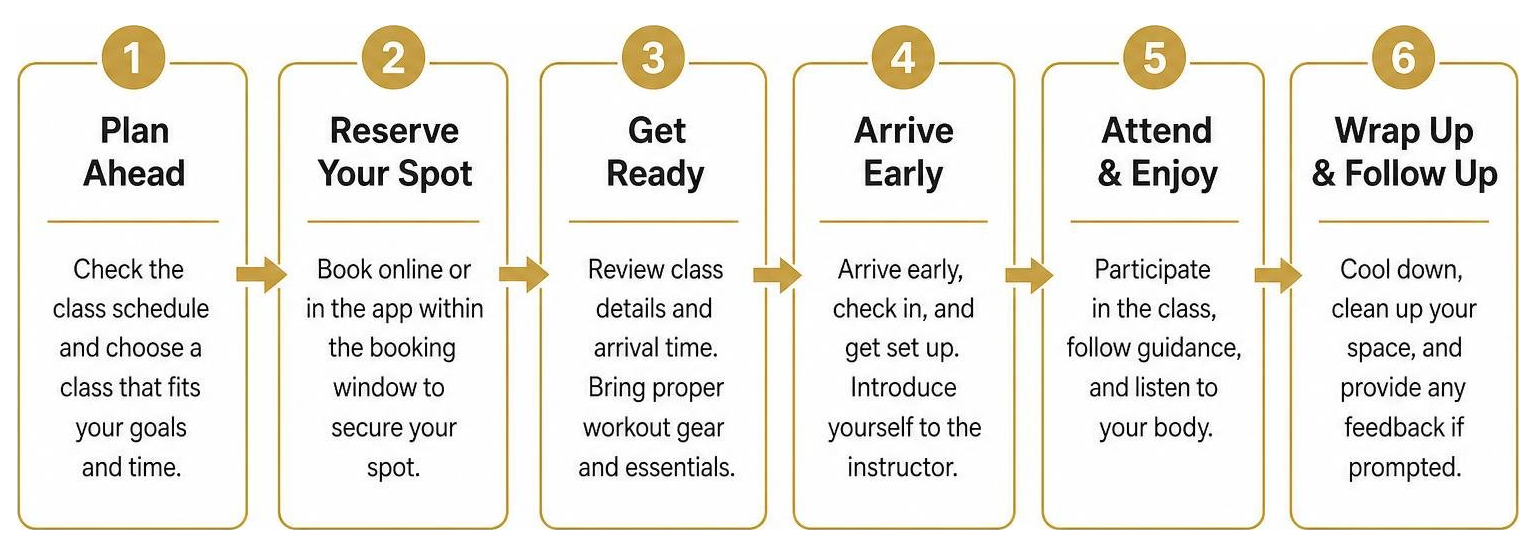
To ensure smooth operations, facilities maintain strict guidelines regarding late arrivals, age access, and equipment usage:
- Reservation Holds & Late Arrivals: Class sign-ups are typically held until the exact start time. Arriving early guarantees your reserved spot and provides time to set up equipment. Arriving late may result in forfeiting your reservation, as missing the initial warm-up presents safety concerns.
- Age Guidelines & Teen Certifications: General adult group classes usually welcome participants aged 16 and older. Teenagers aged 12 to 15 are often welcome when accompanied by an adult or after completing a teen orientation certification focused on gym safety and weight-free class options.
- Facility Amenities: Complementary amenities enhance your exercise routine. Dedicated locker rooms, peaceful sauna spaces, clean shower facilities, and comfortable lounge areas convert a simple workout session into a full wellness experience.
- Childcare Services: Select community centers and athletic clubs offer short-term childcare facilities, allowing parents to complete workouts knowing their children are supervised nearby.
Choosing residential spaces equipped with high-end apartment amenities or reviewing a comprehensive modern apartments amenities guide demonstrates how modern design merges housing and wellness into a cohesive living experience.
Frequently Asked Questions about Fitness Class Schedules
How far in advance can I reserve a spot in a group fitness class?
Most fitness centers allow participants to reserve class spots anywhere from 7 to 10 days in advance starting at a designated time block, such as midnight or noon. Utilizing facility mobile apps or online member portals allows you to lock in attendance for high-demand peak time slots.
What happens if I arrive late to a scheduled fitness class?
If you arrive after the scheduled start time, your reserved spot may be released to waiting walk-in participants. Many studios enforce strict late-entry rules once a workout is underway, as missing the preliminary cardiovascular warm-up increases the potential for muscle strain or injury.
Are group fitness classes accessible for beginners or teens?
Yes, most group workouts are designed with scalable exercise modifications to accommodate diverse experience levels. Teens aged 13 to 15 can often join bodyweight or low-impact classes after completing a youth certification program, while participants aged 16 and up generally have full access to general schedules.
Conclusion
A well-structured fitness class schedule does more than organize class times - it serves as a roadmap for buildable, sustainable exercise habits. By offering diverse class formats, clear booking rules, and varied morning and evening availability, modern fitness calendars remove the friction from maintaining a balanced lifestyle.
Having immediate access to top-tier wellness facilities elevated by intentional living design transforms daily movement from a chore into a seamless luxury. At The Miller Apartments by Flats, residents in the Vancouver Waterfront neighborhood enjoy sophisticated urban design paired with access to a dedicated day spa, state-of-the-art fitness center, and vibrant community spaces. Choosing wellness-focused apartments vancouver brings complete physical exercise and lifestyle convenience right to your doorstep. Explore modern apartment availability today to elevate your everyday living routine.