

Finding Apts That Allow Pets Without Guesswork
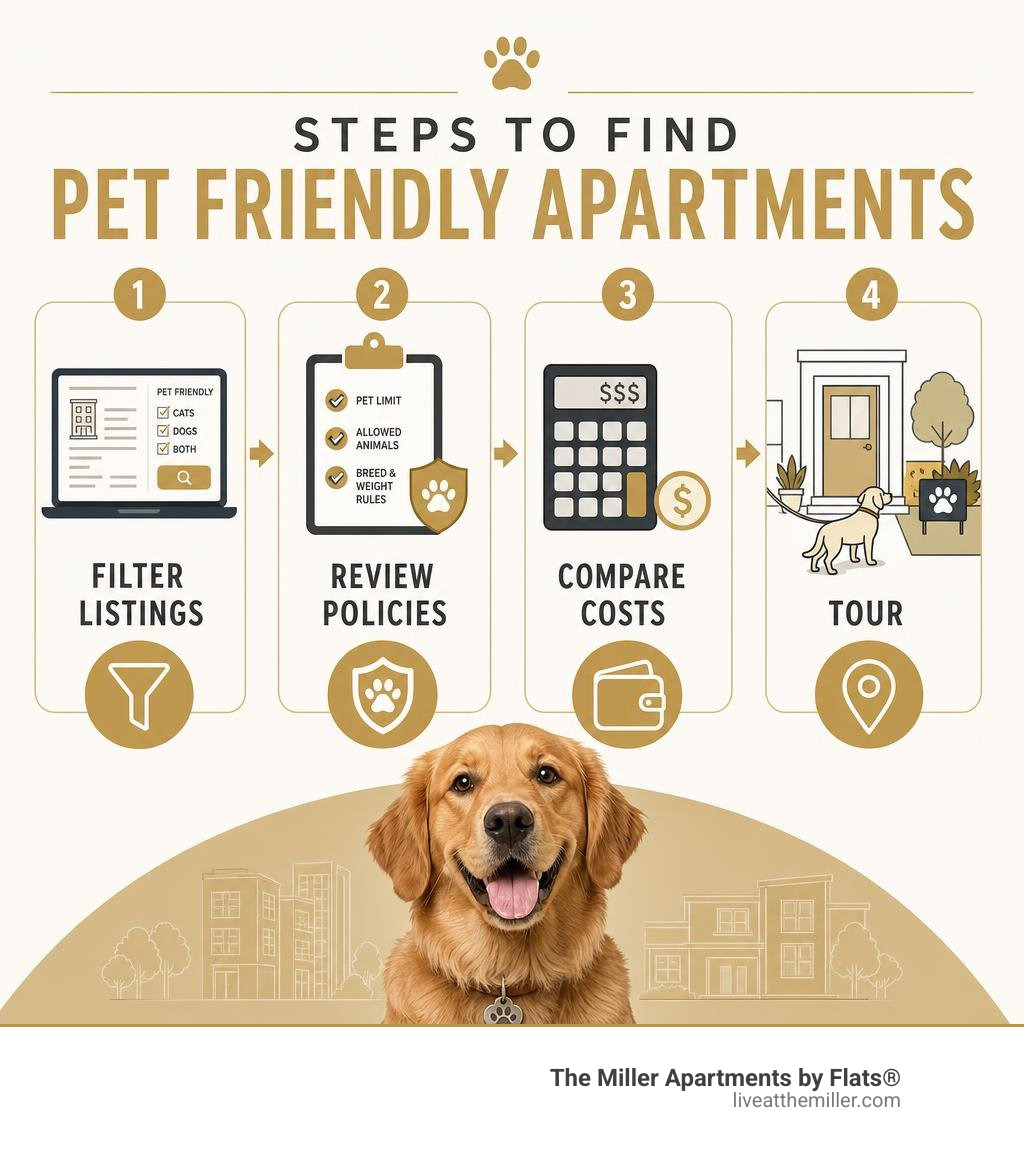
Apts that allow pets are easiest to find when you use rental search filters, then confirm each community's written pet policy before you apply.
- Filter listings for cats, dogs, or both.
- Check the pet limit, allowed animal types, and any breed or weight rules.
- Ask about pet deposits, one-time fees, and monthly pet rent. These costs vary and can change.
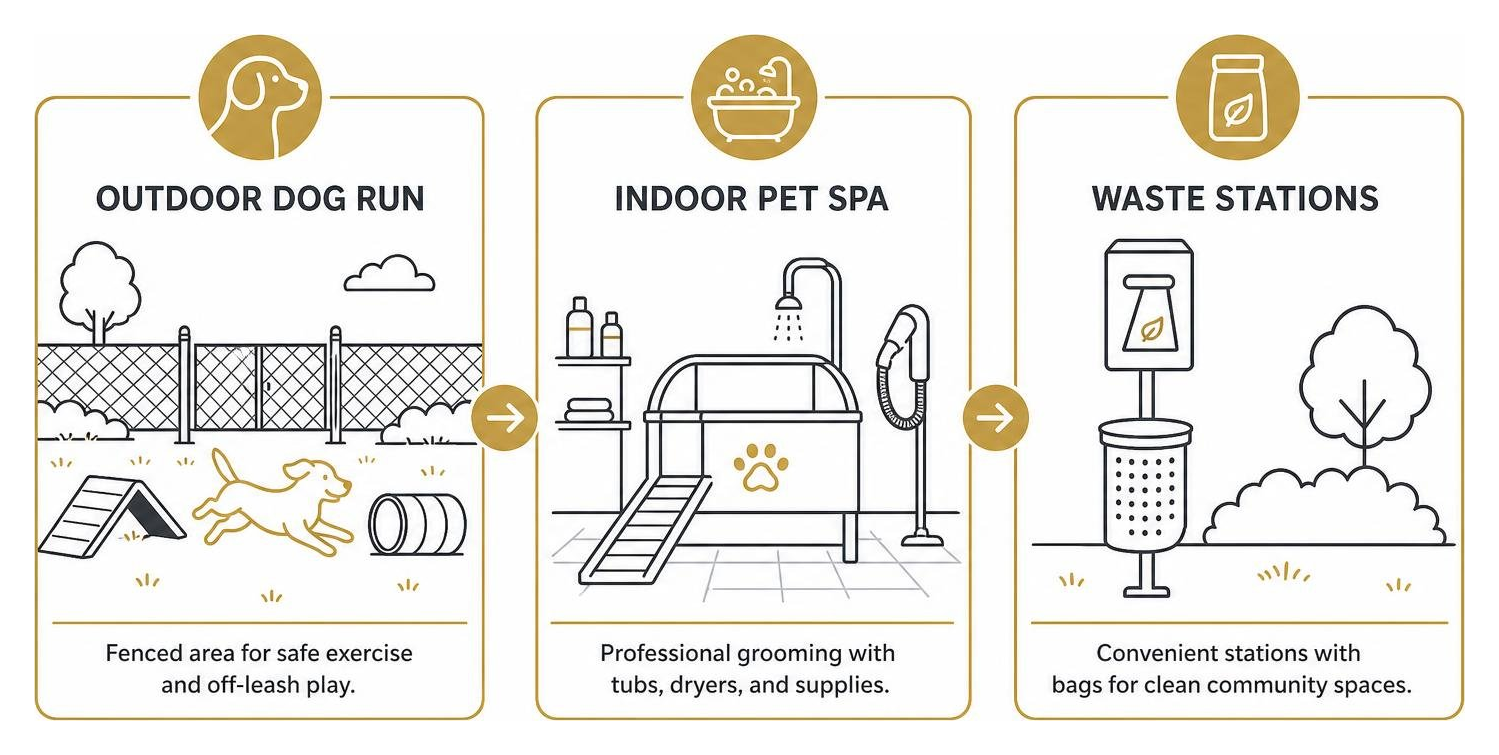
- Look beyond the unit for useful features, such as dog runs, waste stations, and pet washing areas.
- Read the pet addendum with the same care as the rest of the lease.
A "pet-friendly" label is a useful starting point, not a full policy. Some communities welcome a wide range of pets, while others set limits by size, breed, number of animals, or species. The right apartment should work for your daily routine as well as your pet's needs, whether that means nearby green space, room for a crate, or an easy place to rinse muddy paws.
Understanding Fees and Policies in Apts That Allow Pets

Navigating the financial and administrative side of renting with pets requires clear insight into community rules. Apartment communities often separate baseline security deposits from animal-related financial obligations. Understanding how property managers structure these costs helps renters build an accurate budget prior to signing a lease.
When reviewing apts that allow pets, renters will encounter several terms detailing animal expenses. While these financial requirements vary significantly by building and location, they generally fall into three standard categories: initial pet deposits, non-refundable administrative fees, and recurring monthly pet rent.
| Fee Type | Description | Refund Status | Frequency |
|---|---|---|---|
| Pet Deposit | Security against animal-caused unit damage | Refundable (subject to property inspection) | Upfront |
| Pet Fee | Administrative onboarding fee for processing pet profile | Non-Refundable | Upfront |
| Pet Rent | Recurring monthly access charge per animal | Non-Refundable | Monthly |
Breaking Down Pet Rent, Deposits, and Move-In Fees
Initial move-in costs for pet owners typically combine refundable deposits and non-refundable fees. A refundable pet deposit acts as standard security to cover potential physical wear beyond typical usage, such as carpet reconditioning or door molding repairs. If the apartment unit remains in pristine condition upon move-out, management returns this balance according to statutory guidelines.
Conversely, a non-refundable one-time pet fee serves as an administrative account setup charge. Leasing offices use this fee to offset property preparation, routine carpet sanitation, and specialized cleaning between tenancies. Renters should note that non-refundable fees do not cover tenant liability for actual damages caused by an animal during tenancy.
Monthly pet rent is a separate charge billed alongside base monthly rent. Property managers utilize recurring pet rent to support overall property maintenance, grounds upkeep, and the stocking of community pet amenities. Because pricing structure is fluid and subject to market changes, prospective tenants should confirm current rate sheets during the application process. For a comprehensive overview of financial planning for pets, consult the Pet-Friendly Apartments Ultimate Guide.
Navigating Breed, Weight, and Animal Restrictions
In addition to financial considerations, property management guidelines establish clear rules regarding animal types and physical parameters. Many communities enforce rules based on mature animal weight or specific canine breeds to ensure community comfort and alignment with property insurance mandates.
Typical animal rules may restrict individual weight thresholds or enforce combined maximum weight limits per unit. For example, a property might allow up to two animals with a strict combined weight cap. Certain breeds or weight categories may be subject to property management review or restriction lists. Renters looking to understand policy rules can examine detailed dog restriction guidelines to learn how standard community requirements apply.
Standard lease agreements also regulate non-traditional animals. While cats and dogs represent the vast majority of apartment pets, communities usually restrict exotic species, reptiles, large aquariums, or unrestrained small mammals due to moisture or structural risk considerations.
Desirable Amenities in Modern Pet-Friendly Apartment Communities
Modern multi-family housing options increasingly incorporate specialized facilities tailored to four-legged residents. Pet amenities provide meaningful daily convenience for renters while protecting interior residence spaces from everyday dirt and wear.
When touring potential properties, observing dedicated pet areas gives insight into how welcoming a community truly is. High-value features streamline routine daily maintenance, exercise, and social interaction without requiring long trips to public parks.
On-Site Dog Parks and Pet Spas
On-site dog parks provide dedicated, fenced spaces where residents can walk and exercise their dogs safely away from street traffic. These private runs often feature artificial turf or soft gravel surfaces, play equipment, and double-gated entry portals designed to prevent accidental exits.
Complementing outdoor recreation zones, specialized indoor facilities add exceptional convenience. Professional-grade pet washing stations feature elevated tubs, ramp access, non-slip grooming surfaces, and commercial blow dryers. Renters interested in high-end resident features can explore options featuring an on-site Apartment Pet Spa to elevate their weekly grooming routine.
Specialized Facilities and Services
Beyond dedicated wash rooms and exercise enclosures, supportive community infrastructure keeps living grounds pristine and comfortable for all residents. Key operational facilities include:
- Conveniently distributed pet waste stations stocked with biodegradable disposal bags.
- Dedicated outdoor water fountains positioned at animal height.
- Integrated digital pet screening portals for streamlined registration and vaccination record tracking.
- Organized resident social events centered around pet enrichment and community bonding.
Indoor-only pets benefit equally from thoughtful apartment design. Feline companions thrive in layouts featuring expansive window sills, sunlight-oriented floor plans, and quiet interior layouts. Tenants seeking cat-focused residential tips can review the Cat-Friendly Apartments Guide 2026 for setup strategies.
How to Find and Evaluate Pet-Friendly Rentals
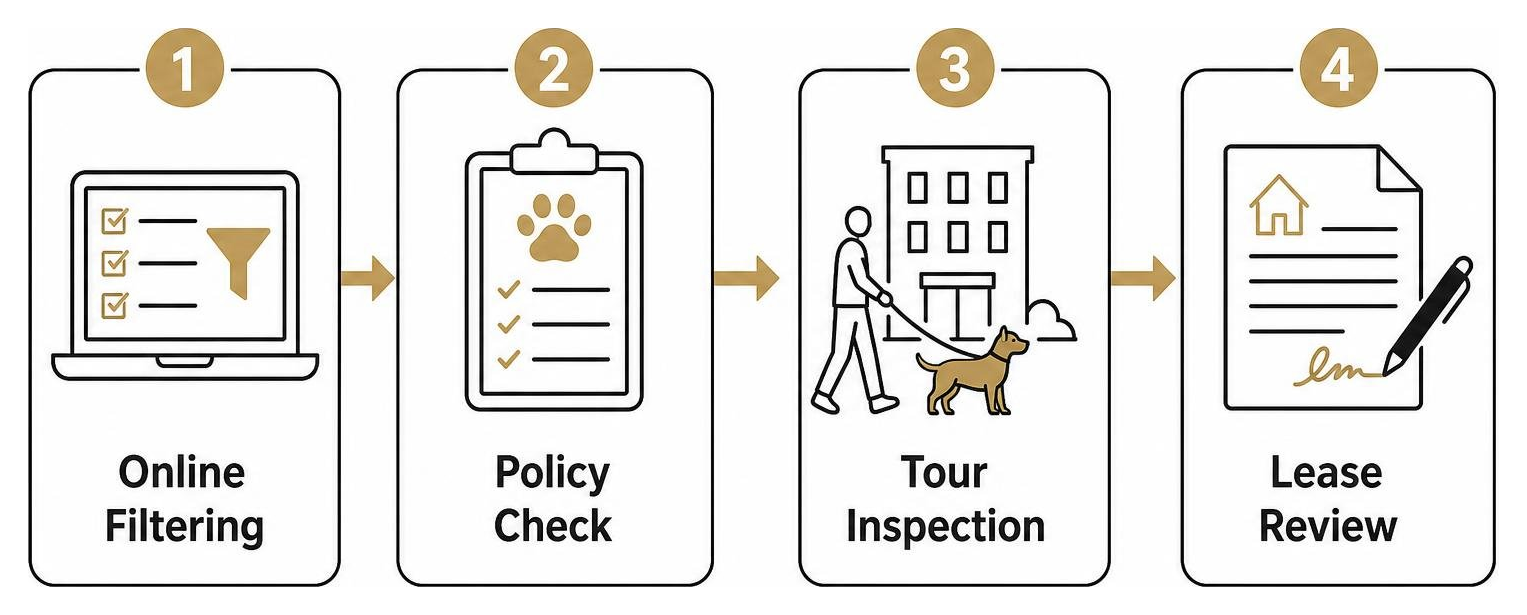
Finding ideal apts that allow pets requires a methodical search strategy that filters listing results by policy specifics rather than general marketing labels. Utilizing modern digital filtering techniques helps streamline search efforts toward properties that genuinely fit household requirements.
When evaluating online search results, prospective tenants should look beyond simple checkmarks and verify detailed animal criteria directly with leasing staff prior to scheduling tours or paying application fees.
Finding Apts That Allow Pets in Top Rental Markets
In fast-growing rental markets like Vancouver, WA, housing inventory includes a versatile selection of pet-welcoming residences ranging from vibrant urban mid-rises to relaxed garden-style developments. The Vancouver Waterfront area, in particular, combines walkable pedestrian trails along the Columbia River with close proximity to urban parks and pet-friendly outdoor dining spaces.
When researching regional listings, filtering by specific pet policies saves substantial time. Renters searching for options in Washington state can explore specialized regional resources such as Pet-Friendly Apartments Vancouver to browse verified communities nearby.
Lease Terms to Check in Apts That Allow Pets
Before signing a lease, prospective residents must thoroughly review the written pet addendum attached to the rental contract. The addendum establishes legal guidelines governing animal conduct, community expectations, and owner responsibilities.
Critical lease items to examine include:
- Strict per-unit animal caps (standard policies enforce a maximum two-pet limit).
- Requirements for current rabies and distemper vaccination records upon move-in.
- Spay and neuter documentation rules.
- Specific provisions regarding noise management, leash mandates in common corridors, and waste removal standards.
- Entry rights for property management maintenance teams when animals are present inside the apartment home.
Renters seeking properties with broad flexibility can read more about apartments with clear pet rules to understand how property agreements balance resident freedom with community standards.
Frequently Asked Questions About Pet-Friendly Apartments
What are typical pet fees in apartments?
Pet costs in residential apartment communities typically consist of a upfront move-in fee or deposit paired with recurring monthly pet rent. A portion of upfront costs may be designated as a refundable security deposit to cover physical carpet or wall damage, while non-refundable setup fees assist management with onboarding and property sanitation. Pricing structures are subject to change and vary based on community tier, unit layout, and market conditions.
Do pet-friendly apartments have breed or size limits?
Yes, many apartment communities maintain specific policies regarding maximum animal weight or prohibited canine breeds. These policies are generally established in accordance with property insurance requirements, building layout limits, and community safety guidelines. Management discretion applies, and tenants are encouraged to submit complete documentation through certified pet screening portals during the application phase.
Are Emotional Support Animals (ESAs) subject to pet fees?
Under Federal Fair Housing Act guidelines, qualified Assistance Animals - including Emotional Support Animals (ESAs) and Service Animals - are not classified as pets. Consequently, approved assistance animals are legally exempt from standard pet fees, non-refundable setup charges, weight caps, breed bans, and monthly pet rent. Property managers may request valid documentation from a qualified healthcare professional verifying the need for an assistance animal.
Conclusion
Finding apts that allow pets requires balancing personal lifestyle preferences with property guidelines and budget considerations. By utilizing precise search filters, verifying deposit and monthly fee structures early, and reviewing lease addendums with care, pet owners can secure a comfortable home for themselves and their animal companions.
Communities like The Miller Apartments by Flats located in the Vancouver Waterfront neighborhood of Vancouver, WA, offer luxury living environments designed with modern convenience and wellness in mind. Featuring access to surrounding riverfront trails, top-tier property amenities, and thoughtfully designed living spaces, choosing the right community ensures a harmonious environment for every member of the household.
To explore luxury living opportunities and comprehensive pet housing resources, check out the Ultimate Pet-Friendly Apartments guide today.