

Key Features to Look for in Cat Friendly Apartments
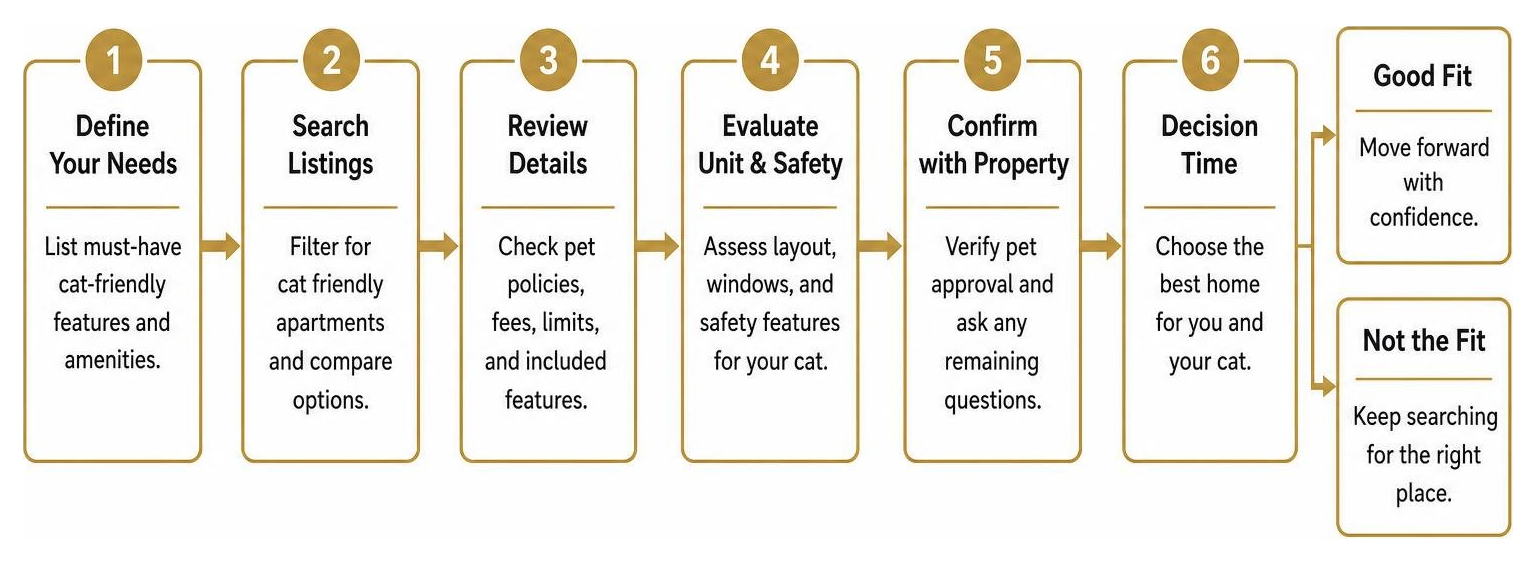
When searching for cat friendly apartments, it is essential to evaluate more than just basic permission on a lease agreement. Living in an apartment presents unique environmental considerations for indoor cats, who rely entirely on their interior surroundings for physical stimulation, daily exercise, emotional comfort, and mental well-being. Finding an ideal home involves identifying specific architectural and structural features that support a healthy feline lifestyle while keeping your living area clean, comfortable, and organized.
Natural light, window sill depth, layout flow, indoor temperature control, and overall building safety should all rank high on your priority checklist. Properties designed with built-in functionality for pet owners make day-to-day care significantly easier while keeping your pet satisfied indoors. Exploring options for Ultimate Pet Friendly Apartments helps ensure you choose a community that values resident pets as meaningful members of the household.
Essential Amenities for Cat Friendly Apartments
Modern residential developments offer amenities specifically tailored to pet care and comfort. While dog parks often get the main spotlight, several high-value architectural features and amenities directly benefit indoor cats and their owners:
- Expansive Windows and Deep Sill Perches: Wide window frames provide dedicated spaces for cats to sunbathe, rest comfortably, and observe outdoor activity safely throughout the day.
- On-Site Pet Wash Stations: Dedicated pet grooming spas make keeping your pet clean convenient without cluttering your home's personal bathroom space or clogging plumbing fixtures.
- Sound-Insulating Flooring and Walls: Quality acoustic insulation keeps exterior building noises and hallway footsteps low, significantly reducing stress and anxiety for skittish indoor felines.
- Secure Balconies and Windows: Sturdy window screens and enclosed outdoor balcony spaces allow fresh air exposure without creating safety hazards or risk of escape.

Evaluating Layouts and Natural Lighting
Indoor cats depend heavily on daylight cycles and visual stimulation to maintain healthy sleeping and activity schedules. When touring prospective floor plans, pay close attention to sunlight exposure across various hours of the day. South-facing or west-facing windows offer prolonged afternoon warmth, creating ideal basking spots for resting pets.
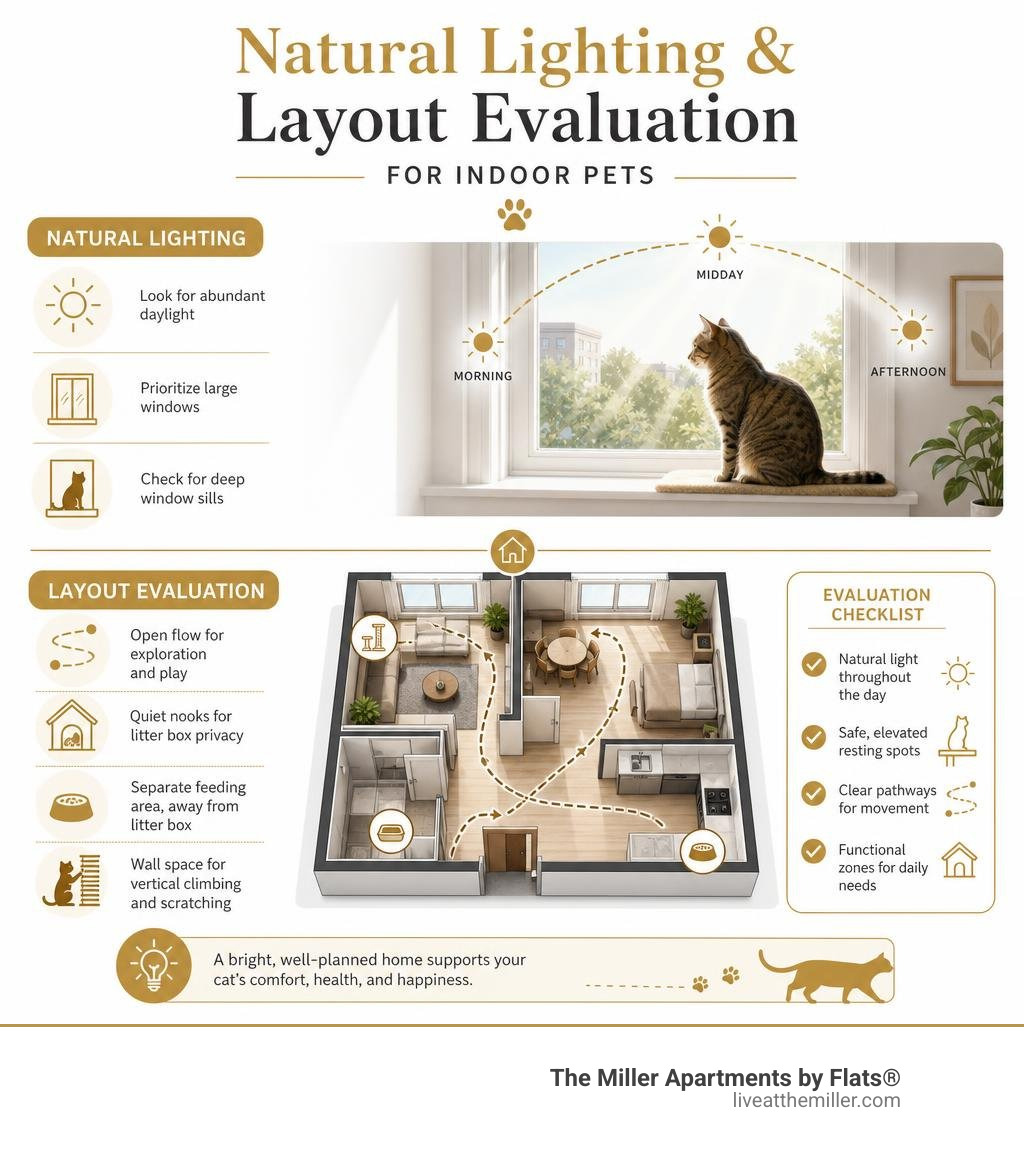
Additionally, open floor plans allow cats room to stretch, play, and run freely without unnecessary obstructions. When evaluating a potential space, consider where essential feline equipment will reside. Look for quiet, discreet nooks for litter box placement that remain well-ventilated yet separate from food and water stations. Furthermore, evaluate available vertical wall space for climbing furniture, modular cat shelves, or scratching towers that expand your cat's active territory without taking up valuable floor square footage.
Understanding Rental Policies, Deposits, and Pet Fees
Navigating the financial and legal side of renting with pets requires absolute clarity on pet agreements, fees, and lease structures. Residential properties usually establish clear guidelines regarding pet occupancy, which are detailed within the standard lease agreement or a dedicated pet addendum. Taking time to carefully review these documents ensures a smooth leasing process and prevents miscommunication with property management.
When budgeting for a move, pet pricing schedules are fluid and subject to change over time depending on management guidelines, unit availability, and lease duration. Understanding the breakdown of charges upfront prevents unexpected expenses at move-in and helps you construct a realistic moving timeline.
Pet Rules, Limits, and Breed Restrictions
Most pet-friendly properties maintain standard occupancy rules to ensure building safety, resident comfort, and property cleanliness. Common lease terms include:
- Pet Headcount Caps: Policies standardly limit occupancy to a maximum of two pets per apartment unit to prevent overcrowding and maintain community living standards.
- Breed Policies: While breed rules are more prevalent with dogs, specific feline breed considerations or exotic cat restrictions may exist in select communities.
- Weight and Size Limits: Standard guidelines may impose total weight caps across household pets to align with community rules.
- Pet Addendums: Formal legal documents attached to the main lease detailing resident responsibilities, waste management expectations, damage protocols, and rules regarding common area access.
Reviewing property guidelines early in your apartment search simplifies the selection process. Renters looking in the Pacific Northwest can explore dedicated Pet-Friendly Apartment in Vancouver WA listings to understand local property standards and policy requirements.
Emotional Support Animal Rights and Regulations
Under the federal Fair Housing Act, assistance animals - which include emotional support animals (ESAs) - are recognized differently than standard household pets. Housing providers are required to provide reasonable accommodations for individuals with documented assistance animal needs, ensuring equal housing opportunity.
To request an ESA accommodation, tenants generally provide official documentation from a licensed health professional confirming the therapeutic support role of the animal. When an assistance animal accommodation is approved, standard pet deposits, monthly pet rent, and pet size or breed restrictions do not apply. However, residents remain fully responsible for maintaining unit cleanliness, preventing property damage, and ensuring their animal does not disturb other community residents.
Preparing Your Cat and Space for Apartment Living
Moving into a new rental space can be a major transition for an indoor cat. Cats thrive on routine, established territory, and familiar scents, making deliberate preparation essential for a calm and stress-free move. Organizing key records, securing your apartment layout, and setting up comforting spaces before move-in day helps minimize anxiety for both you and your pet.
How to Secure Cat Friendly Apartments with a Pet Resume
In competitive rental markets, presenting a comprehensive pet resume along with your standard rental application can set you apart from other prospective renters. Landlords look for written assurance that your cat will be well-behaved, vaccinated, and that the rental unit will be maintained responsibly throughout the lease term.
A strong pet application folder should include:
- Pet Details: Name, age, breed, weight, color markings, and a clear high-resolution photo.
- Medical History: Complete vaccination records, spay or neuter verification, microchip registration numbers, and routine vet care history.
- Behavior & Training: Notes on scratching post habits, litter box consistency, indoor temperament, and routine care schedules.
- References: Written recommendation letters from previous property owners, landlords, or veterinarians verifying responsible pet care and flawless tenancy history.
Cat-Proofing Your Unit and Acclimating Your Pet
Before unlocking the door to your new home, take proactive steps to cat-proof the space and make it secure against potential home hazards:
- Secure Window Screens: Inspect all window latches, frame fittings, and screen mesh to prevent accidental escapes or dangerous falls.
- Tuck Away Cables: Use cord organizers or cable covers to conceal loose electric wires and power strips from curious teeth.
- Designate Scratching Zones: Place sturdy scratching posts near doorways and furniture corners to encourage positive scratching habits immediately upon move-in.
- Provide Dedicated Care Amenities: Utilizing on-site community facilities like an Apartment Pet Spa helps maintain coat cleanliness and reduces indoor shedding without hassle or bathroom clutter.

When arriving on move-in day, keep your cat in a single quiet room with their food, water, litter box, and familiar bedding while moving boxes and heavy furniture. Once the main living area is unpacked, safe, and organized, gradually grant access to the rest of the apartment over several days to allow easy environmental acclimation.
Frequently Asked Questions About Cat-Friendly Housing
What questions should I ask when touring a rental property?
When touring prospective cat friendly apartments, ask management about specific operational policies and pet protocols, including:
- What is the property policy for maintenance team entry when pets are unattended in the unit?
- Are there designated emergency procedures or preferred building contacts for pet owners during power outages or evacuations?
- What are the precise community rules regarding pets in shared indoor spaces, elevators, and residential hallways?
- Is there a standard pet cap, such as a two-pet limit per apartment home?
What is the difference between a pet deposit, pet fee, and pet rent?
- Pet Deposit: A move-in deposit designed to cover potential animal-related physical damage to floors or walls. It may be partially or fully refundable at lease completion based on final unit inspection.
- Pet Fee: A non-refundable, one-time payment paid upon signing the lease to cover administrative processing, record-keeping, and pet onboarding costs.
- Pet Rent: A recurring monthly charge added to base rent that accounts for overall pet residency and ongoing community pet amenity upkeep.
Are cats subject to weight or breed restrictions?
While breed and weight restrictions are most common with dogs, some residential communities enforce total household weight limits or impose guidelines regarding specific feline breeds (such as wild hybrid cat breeds). Always check directly with the leasing office to review exact property rules before submitting your application.
Conclusion
Finding the right environment for you and your cat comes down to thoughtful research, thorough preparation, and choosing a rental community that truly values pet care. By prioritizing natural lighting, sensible management rules, quality insulation, and functional indoor space, you create a safe, comfortable sanctuary where your cat can flourish for years to come.
For those searching for refined modern living in Vancouver, WA, properties like The Miller Apartments by Flats blend sophisticated residential features with an ideal location in the Vancouver Waterfront neighborhood. With wellness-focused community amenities, nearby riverfront green space, and modern residential design, finding a welcoming home for both you and your cat is simple, straightforward, and rewarding.