

Why Small Spaces Need Smart Design Solutions
Apartment design ideas can transform even the smallest rental into a stylish, functional home. Whether dealing with a 300-square-foot studio or a modest one-bedroom, the right design choices make all the difference.
Top apartment design ideas that work:
- Use light colors - White walls and light rugs make spaces feel larger
- Add mirrors strategically - They reflect light and create depth
- Choose multi-functional furniture - Ottoman storage, nesting tables, Murphy beds
- Create zones with rugs - Define living areas in open-concept spaces
- Go vertical - Wall-mounted shelves and tall storage maximize space
- Layer lighting - Combine ambient, task, and accent lighting
- Hang curtains high - Floor-to-ceiling curtains add height
- Accept statement pieces - Large art and bold textiles add personality
Living in a small apartment doesn't mean sacrificing style or comfort. Because most apartments are boxy, adding curves through round tables, curved chairs, and spiral-patterned rugs can introduce visual interest.
The key is making every square foot work harder. From clever storage solutions to visual tricks that expand the space, smart design turns rental restrictions into creative opportunities.
Many renters face the same challenges: limited square footage, white walls they can't paint, and the need to create a home that feels personal yet temporary. But with the right approach, these constraints become the foundation for innovative design.
Make Your Small Apartment Feel Larger and More Spacious
The secret to making a small apartment feel larger lies in clever visual tricks that fool the eye into seeing more space than actually exists. Apartment design ideas that focus on light, reflection, and strategic furniture placement can transform even the tiniest rental into an airy, open home.
Mirrors are your best friend when it comes to expanding space. A large mirror reflects light and makes a space look bigger, effectively doubling what you see. Place a substantial mirror opposite a window to bounce natural light around the room, or position one in a dim corner to instantly brighten that area. The reflection creates depth and makes walls seem to disappear. If you would like to dive deeper into why this works, explore this quick introduction to interior design concepts that explain how reflective surfaces influence visual perception.
Light paint colors work magic on small spaces. White walls remain the gold standard because they reflect every bit of available light, making rooms feel brighter and more expansive. This doesn't mean your space has to look sterile—white creates the perfect backdrop for colorful artwork, vibrant throw pillows, or lush houseplants.
Sheer curtains and natural light go hand in hand. Heavy drapes block precious sunlight, while lightweight, translucent fabrics let illumination flow freely while maintaining privacy. When natural light is limited, artificial lighting becomes even more important.
Clear furniture and leggy pieces reduce visual weight in your space. An acrylic coffee table or glass dining set allows light to pass through, creating an unobstructed view across the room. Furniture with raised legs—like a sofa on slender stilts—lets you see more floor space, which tricks the brain into perceiving a larger area.
Use Color and Light to Your Advantage
White walls remain the champion choice for small apartments, but the magic happens when you layer different types of lighting throughout your space. Light-colored rugs can instantly open up a room, especially if they're covering dark or stained carpeting underneath.
Layered lighting transforms a cramped apartment into a warm, inviting home. Ambient lighting from overhead fixtures provides general illumination, while task lighting like desk lamps or reading lights focuses on specific activities. Accent lighting from sconces or picture lights adds visual interest and highlights your favorite features.
This approach becomes especially important in apartments with limited windows. Instead of relying on a single harsh overhead light, create multiple pools of gentle illumination that make your space feel larger and more welcoming.
Choose Furniture That Creates Openness

The furniture you choose can either improve or destroy the feeling of spaciousness in your apartment. Acrylic tables practically disappear while still providing function, and furniture with raised legs creates an airy feeling by showing more floor space underneath.
Low-profile pieces work wonders in small spaces. A sleek, low coffee table won't block sightlines across your living room, while dining benches without backs blend seamlessly into their surroundings rather than creating visual barriers.
The key is avoiding bulky items that overwhelm your space. Instead of a massive entertainment center, consider a slim console table. Rather than a chunky armchair, choose a streamlined accent chair with exposed legs. Every piece should serve a purpose without sacrificing the sense of openness you're working so hard to create.
For more inspiration on creating bright, open living spaces, explore More info about modern apartment living room design.
Clever Storage and Furniture for Compact Living
Effective storage solutions are non-negotiable in small apartments. Maximizing space means thinking creatively about every inch, turning potential clutter into organized tranquility. Redesigns of small apartments, from 650-square-foot layouts to compact 344-square-foot spaces, highlight how ingenious storage can make even modest spaces feel highly functional.
The golden rule for small spaces is to go vertical. Wall-mounted shelves, tall bookcases, and even hooks can use vertical space that would otherwise go to waste. This approach keeps floors clear, which immediately makes a room feel larger and less cluttered.
Beyond verticality, multi-purpose furniture and hidden storage are game-changers. The principle is simple: if an item can serve two functions, it's twice as valuable in a compact living area. Decluttering is also paramount; keeping only what is regularly used or brings joy creates good Feng Shui and is better for overall well-being. A clutter-free apartment is a truly lifted apartment, as when everything has its place, it creates a sense of calm, which is incredibly helpful in smaller spaces.
Smart Furniture Apartment Design Ideas
Smart furniture choices are at the heart of effective apartment design ideas for compact living. These pieces are designed to work harder, offering dual functionality or the ability to disappear when not in use.
- Ottoman with Storage: This versatile piece can serve as a coffee table, extra seating, and a hidden storage bin for blankets, books, or remote controls. Turning an ottoman into a coffee table is a clever way to maximize functionality.
- Nesting Tables: A set of tables that fit inside each other provides flexible surface area. One can pull them out for guests or keep them nested to save space.
- Convertible Sofa: A sofa that transforms into a bed is essential for hosting overnight guests without needing a dedicated guest room.
- Murphy Bed: Often seen as a cool small home idea, a Murphy bed folds up into a wall cabinet, freeing up significant floor space when the bed is not in use. This allows a single room to serve multiple purposes throughout the day.
- Console Table as Desk: A slim console table placed behind a sofa or against a wall can easily double as a workspace, providing a surface for a laptop or decor. This also helps define the transition between areas and can even offer additional kitchen storage or countertop space in a pinch.
These multi-functional pieces are key to making a small space feel less cramped and more adaptable. For more inspiration on modern design principles that apply to apartments, one can explore resources like More info about modern design apartments.
Maximize Every Nook and Cranny
Every apartment, no matter how small, has untapped potential in its corners, alcoves, and even the backs of doors. Maximizing these often-overlooked areas is crucial for efficient storage.

- Over-the-Door Organizers: These simple tools can add significant storage to bathrooms, bedrooms, or pantries, holding anything from shoes to toiletries.
- Corner Shelving: Instead of leaving corners empty, installing corner shelves can provide valuable display or storage space without protruding too much into the room. Making use of all corners of a room ensures no space is wasted.
- Using Awkward Niches: Many apartments have architectural quirks—small alcoves, shallow recesses, or odd wall protrusions. These can be transformed into functional areas, such as a built-in desk, extra shelving, or even a cozy reading nook. Building custom solutions into existing architectural niches can maximize their utility.
- Pegboard Systems: Ideal for kitchens, craft areas, or entryways, pegboards offer flexible, wall-mounted storage for tools, utensils, or accessories.
- Magnetic Knife Strips: In a compact kitchen, a magnetic strip mounted on the wall keeps knives safely stored and frees up valuable drawer or counter space.
By thinking creatively about these small, often ignored spaces, one can open up a surprising amount of storage potential, making the apartment feel more organized and expansive.
Infuse Your Style: Renter-Friendly Apartment Design Ideas
Changing a rental into a space that truly feels like home doesn't require permanent changes or lease violations. The secret lies in making thoughtful choices that reflect personality while respecting rental agreements. Even in compact spaces, it's entirely possible to create a vibrant, welcoming environment that feels anything but temporary.
The beauty of renter-friendly design is focusing on what can be changed rather than dwelling on limitations. Apartment design ideas that work for renters emphasize removable elements like lighting, textiles, and art that pack a visual punch without requiring a security deposit sacrifice.
Smart renters know that personalization comes through layering meaningful elements that can travel from one home to the next. The goal is creating a space that feels intentional and deeply personal, changing four walls into a genuine sanctuary.
Walls and Windows That Wow
Walls and windows offer the biggest opportunities for dramatic change without permanent alterations. These surfaces are like blank canvases waiting for creative expression.
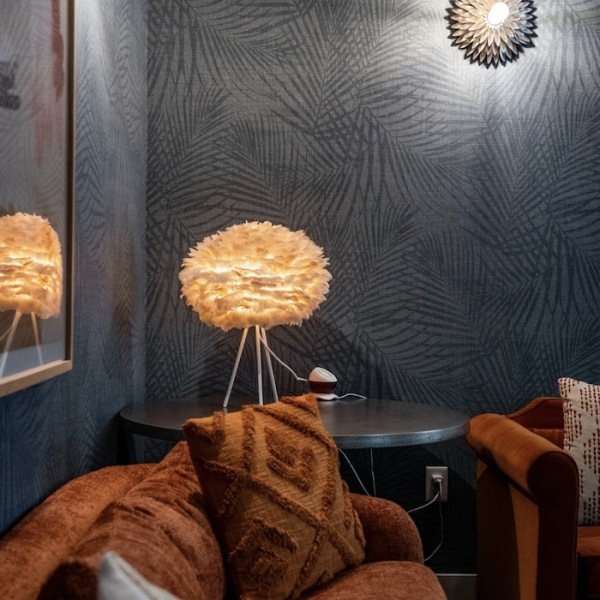
Removable wallpaper has revolutionized rental decorating, allowing bold patterns and textures that peel off cleanly when moving day arrives. This innovation means accent walls are no longer off-limits for renters seeking visual impact.
Large-scale art creates powerful focal points that make small rooms feel more substantial and sophisticated. Instead of cluttering walls with tiny pieces, one oversized artwork can anchor an entire room with editorial flair.

Gallery walls transform blank expanses into dynamic displays of personality. These curated collections of photos, prints, and treasures instantly make any apartment feel like a true home rather than temporary housing. The bigger and bolder the display, the more sophisticated it appears.
High-hung curtains create the illusion of soaring ceilings by mounting them as close to the ceiling as possible. This simple trick makes windows appear larger and rooms feel more spacious. Curtains can even be hung on bare walls purely for dramatic effect.
Statement textiles bring warmth and character through carefully chosen drapery, rugs, and throws. Layering eye-catching colors, textures, and patterns is key to creating depth and visual interest that transforms neutral rental walls into something special.
Decor That Tells Your Story
Personal decor elements are where individual personality truly shines through. These portable treasures can instantly transform any space into a reflection of its inhabitant's unique story and style.
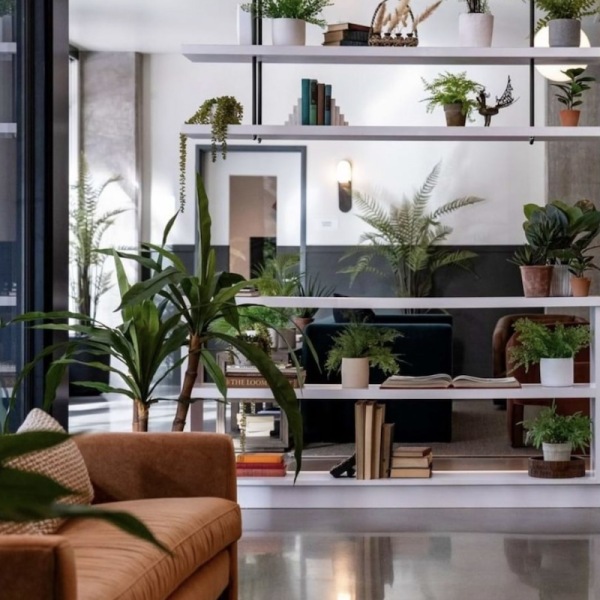
Houseplants breathe life into apartments, adding natural color and improving air quality. From small succulents to trailing vines, greenery creates an instant sense of vitality and freshness that makes any space feel more welcoming.
Personal collections and inherited treasures infuse apartments with authentic character. Displaying meaningful objects, travel souvenirs, or family heirlooms creates a collected, soulful atmosphere that's the opposite of sterile modernism.
Unique lighting fixtures can dramatically change a room's entire ambiance. Swapping standard landlord fixtures for more stylish options creates instant sophistication—just remember to store the originals for move-out day.
Layered rugs add depth and texture by placing smaller patterned pieces over larger neutral ones. An antique or vintage rug can make a space feel more layered and thoughtfully curated.
Throw pillows and blankets offer the easiest way to inject color, texture, and comfort into sofas and beds. These changeable elements allow for seasonal updates and instant style refreshes without a major commitment.
The key to successful rental decorating is choosing elements that feel intentional and cohesive while remaining completely portable. With these strategies, any apartment can become a sophisticated, personal retreat that truly feels like home. For more inspiration on creating modern, stylish living spaces, explore More info about modern apartment building design ideas.
How to Define Zones in a Studio or Open-Concept Apartment
Creating distinct zones in a studio or open-concept apartment transforms a single room into a multi-functional living space that actually works. Without walls to separate activities, smart apartment design ideas become essential for carving out areas for sleeping, working, dining, and relaxing.
The magic happens when furniture and visual cues guide the eye through different "rooms" within one space. Think of it like creating invisible boundaries that your brain recognizes, even when your eyes can see the entire apartment at once.

The key is making each zone feel intentional and separate, even when they're just a few feet apart. This approach prevents the dreaded "everything everywhere all at once" feeling that can make small spaces feel chaotic.
Use Furniture and Rugs to Create "Rooms"
Area rugs are perhaps the most powerful tool for defining zones in an open space. A large rug under your sofa and coffee table instantly creates a living room, while a smaller rug beside your bed establishes a sleeping area. The rug acts like an invisible wall, telling your brain where one space ends and another begins.
Floating your sofa away from the walls creates natural separation between areas. Instead of pushing everything against the perimeter, pull that sofa into the center of the room. This simple move opens up pathways and creates distinct zones on either side.
Bookcases work beautifully as room dividers without blocking light or making the space feel cramped. An open-back bookcase between your living and sleeping areas provides storage while maintaining that airy feel. Plus, you can style both sides differently to match each zone's purpose.
Console tables behind floating sofas add another layer of definition. This slim piece of furniture creates a clear boundary while offering surface space for lamps, plants, or decorative objects. It's like drawing a line in the sand, but prettier.
Even in a studio, you can create an entryway with a small rug and narrow console table near the door. This simple setup helps transition from the outside world into your home, making the space feel more intentional and welcoming.
Carve Out Dedicated Nooks
Beyond general zoning, creating specific nooks for different activities maximizes every square foot. An office nook can emerge from the most unlikely places – an unused alcove, a corner of the living room, or even a reimagined closet. Adding artwork and shelving makes these spaces feel intentional rather than squeezed in.
A reading corner needs nothing more than a comfortable chair, small side table, and good lighting. This cozy spot becomes a retreat within your retreat, perfect for unwinding after a long day.
For dining areas, think creatively about size and function. A small foldable table, kitchen island with a pull-out leaf, or banquette with benches can work wonders. Many studio dwellers choose an island over a traditional dining table, and a dining surface can easily double as a workspace when needed.
A bar cart station brings sophistication to entertaining, whether it's stocked with cocktail essentials or serves as a mobile coffee station. It's amazing how this one piece can lift your hosting game.
When you need flexible privacy, screens or curtains offer temporary separation. Ceiling-mounted curtains can hide a sleeping area during the day or screen off a workspace when you're entertaining. These solutions adapt to your changing needs throughout the day.
The beauty of zoning lies in its flexibility. Your space can transform from a productive workspace to an entertaining hub to a peaceful bedroom retreat – all within the same four walls.
Frequently Asked Questions about Apartment Decorating
Decorating a small apartment brings up many questions, especially when working with limited space and rental restrictions. These common concerns can help guide practical decisions and turn decorating challenges into creative opportunities.
How can I improve lighting in an apartment with few windows?
When natural light is limited, the key is creating layered lighting that mimics the warmth and brightness of sunshine. This approach transforms even the darkest spaces into welcoming homes.
Start with ambient lighting through overhead fixtures that provide general illumination throughout the room. Add task lighting like desk lamps or under-cabinet strips for specific activities such as reading or cooking. Finally, incorporate accent lighting through table lamps, wall sconces, or string lights to highlight artwork or create cozy corners.
Mirrors become your best friend in dark apartments. Place large mirrors opposite windows or near light sources to bounce illumination around the room. Multiple mirrors can make a space appear much larger while doubling the available light.
Choose light-colored curtains or sheer panels that allow maximum light penetration while maintaining privacy. Heavy, dark window treatments block precious natural light that small apartments desperately need.
Strategic lamp placement makes all the difference. Skinny floor lamps with small footprints work perfectly in tight spaces, while table lamps and wall-mounted fixtures distribute light evenly without cluttering surfaces.
How do I make my apartment feel more 'homey' and less sterile?
Creating a homey atmosphere is all about adding warmth, comfort, and personal touches that reflect who you are. The goal is making your space feel lived-in and loved rather than like a hotel room.
Texture is everything when it comes to coziness. Layer plush rugs, soft throw blankets, and decorative pillows throughout your space. Investing in luxurious materials like linen, wool, and velvet gives every surface a polished, high-end look that feels inviting.
Personal photos, artwork, and collections instantly transform an apartment from someone else's space into your own. Gallery walls work particularly well, creating focal points that tell your story. Display cherished items, travel souvenirs, or inherited treasures that spark joy and conversation.
Houseplants bring life and color indoors while connecting you to nature. Even small succulents or trailing vines can make a dramatic difference in how vibrant and welcoming your space feels.
Don't overlook lighting temperature. Warm white bulbs (around 2700K-3000K) create a cozy, golden glow that's much more inviting than harsh, cool lighting. This simple change can completely transform the mood of any room.
What is the first thing I should do when decorating a new apartment?
Starting with a clear plan prevents overwhelm and ensures smart decisions that maximize your space. The foundation of great apartment design ideas begins with understanding what you're working with.
Measure everything first - walls, windows, doorways, and ceiling height. This prevents the heartbreak of falling in love with furniture that won't fit and helps you visualize different layout options.
Determine each area's function before buying anything. Will your living room serve as a workspace during the day? Does your bedroom need to accommodate guests? Understanding how you'll actually use each space guides every furniture and decor decision.
Choose a color palette that flows throughout your apartment. Light colors generally work best in small spaces, making them feel larger and brighter. You can always add personality through accent colors in pillows, artwork, and accessories.
Prioritize essential furniture and focus on multi-functional pieces. A storage ottoman, nesting tables, or a console that doubles as a desk maximizes utility in tight quarters. Buy quality basics first, then add personality pieces over time.
Start with a clean slate by decluttering before you decorate. Only bring in items that serve a clear purpose or bring genuine joy. A clutter-free apartment creates calm and makes every square foot feel more spacious.
Conclusion
Changing a small apartment into a stylish, spacious, and highly functional home isn't about having the perfect space—it's about making smart choices with the space you have. Through thoughtful apartment design ideas, from strategic mirror placement and light color schemes to clever multi-functional furniture and vertical storage solutions, even the most compact living space can feel like a true sanctuary.
The beauty of small space design lies in its creativity. When you're working with limited square footage, every decision matters more, which often leads to more intentional and meaningful design choices. Bold statement pieces like oversized art, layered lighting that creates warmth and depth, and renter-friendly updates like removable wallpaper and gallery walls prove that personality doesn't require permanence.
Perhaps most importantly, creating distinct zones in an open-concept space and maximizing every nook and cranny teaches us that thoughtful design, rather than sheer square footage, is what truly defines a comfortable and inviting home. Whether it's floating a sofa to create natural room divisions or turning an awkward corner into a cozy reading nook, these solutions work because they're rooted in how people actually live.
The Miller Apartments by Flats understands this philosophy deeply. Located in the vibrant Vancouver Waterfront neighborhood of Vancouver, WA, The Miller offers luxury apartments where modern design seamlessly blends with thoughtful amenities like a day spa, fitness center, and coworking lounge. This combination of convenience, comfort, and sophistication demonstrates that great design isn't just about the space itself—it's about creating an environment that supports how you want to live.
For those seeking further inspiration and innovative design solutions that maximize both comfort and style, explore more modern apartment interior design ideas.