

What Are Apartment Complexes? A Quick-Start Guide
Apartment complexes are multi-unit residential buildings or groups of buildings managed under a single ownership, offering a range of unit types, shared amenities, and lease-based living arrangements.
Quick answers to common questions:
- What is an apartment complex? A residential property with multiple individual units, shared common spaces, and on-site management.
- How is it different from a condo? Condos are individually owned; apartment units are rented from a single landlord or management company.
- What types of units are available? Studios, one-, two-, and three-bedroom layouts are most common, with options like lofts and penthouses at higher-end properties.
- What amenities can I expect? Fitness centers, pools, coworking spaces, pet-friendly areas, and smart home features are increasingly standard.
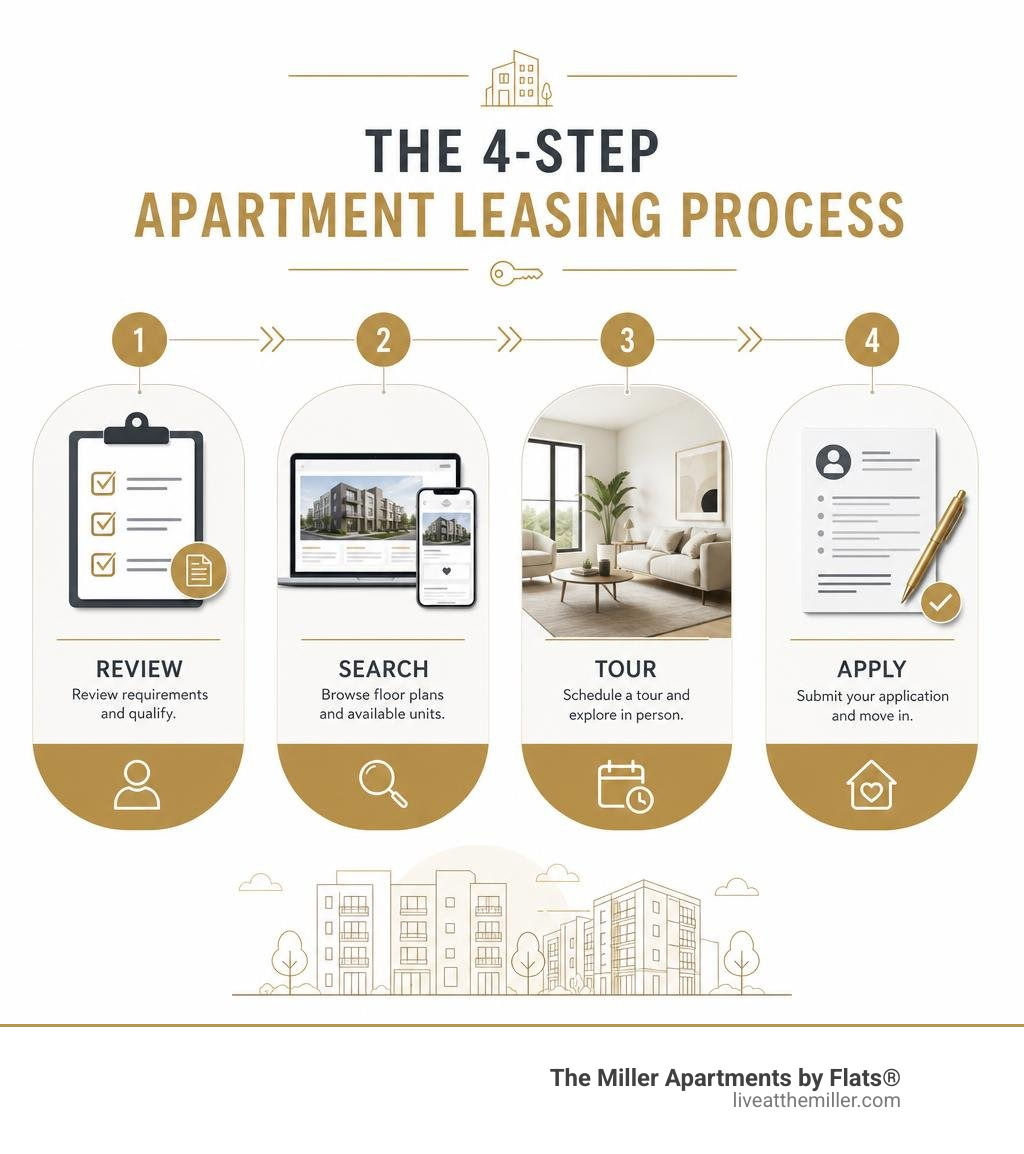
- How do I rent one? Most complexes follow a four-step process: review requirements, browse listings, schedule a tour, and apply.
Today, more people than ever live in apartments. In many major metropolitan areas, more than half of all homes are multi-family units. Across the globe, this style of living has become the norm - not the exception.
Whether you are exploring your first rental or looking to upgrade your lifestyle, understanding how apartment complexes work helps you make a smarter, more confident choice.
This guide covers everything: history, unit types, amenities, lease terms, and what to look for when touring a property.
The Evolution and History of Apartment Complexes
Multi-family housing is not a modern invention. The concept of sharing a structural roof with neighbors stretches back thousands of years, born out of the human need for community, commerce, and efficiency in growing urban centers.
Ancient Roots: From Historic Cities to Desert Towers
In ancient history, the rapid influx of citizens led to the creation of multi-story apartment buildings that housed the lower and middle classes. These structures often rose several stories high, built from brick and wood.
Similarly, in the 10th century, some historic capital cities featured high-rise residential buildings that housed tenants up to seven stories tall, with some reaching up to fourteen stories to maximize space.
In certain historic desert regions, mudbrick tower houses rose 5 to 11 stories high, with some reaching over 100 feet tall. These historic structures stand today as some of the tallest mudbrick apartment complexes in the world, earning them recognition for their architectural innovation.
The Industrial Era and Modern Regulation
As the Industrial Revolution drew thousands of workers to cities, urban density skyrocketed. In the United States, the first tenement was built in New York City in 1839. Early tenements were often overcrowded and lacked proper ventilation. To address these issues, municipal governments began passing housing laws. The New York State Tenement House Act of 1901 served as a blueprint for modern building codes, requiring outward-facing windows, open courtyards, indoor plumbing, and fire safety protocols.
The Rise of the Modern Apartment Complex
With the invention of the passenger elevator and cheaper reinforced concrete and steel, residential buildings climbed higher. Today, a modern apartment complex combines structural safety with luxury, community, and cutting-edge architectural design. These properties are no longer just places to sleep; they are fully integrated ecosystems designed for work, play, and wellness.
Defining the Apartment: Key Terminology and Classifications
To navigate the rental market, it helps to understand the terminology used by property managers and developers. While regional terms vary, the core concepts of multi-family housing remain consistent.
Apartment vs. Flat vs. Unit
- Apartment: The standard term used in many regions to describe a residential space leased within a larger building.
- Flat: A traditional term used in various international regions. While "flat" is historically standard, the term "apartment" is increasingly used to denote upscale or newly built properties.
- Unit: A generic term popular in some areas, referring to any self-contained residential space, including apartments, duplexes, or villas.
Understanding Housing Tenure
Housing tenure refers to the financial and legal structure under which a resident occupies a home.
- Rental Apartments: The entire building or complex is owned by a single entity (such as a real estate investment firm or a property management company). Individual units are leased to tenants for a set period, usually 12 months.
- Condominiums: Individual units within a multi-family building are owned by private buyers. These owners pay monthly homeowner association (HOA) fees to cover the maintenance of shared spaces, such as hallways, lobbies, and exterior grounds.
- Cooperatives (Co-ops): Residents do not own their specific unit. Instead, they own shares in a corporation that owns the entire building. This share entitles them to occupy a specific apartment under a proprietary lease.
When developers begin building apartments, they decide early on whether the property will operate as a rental community or be sold as individual condominiums, as this influences the design, amenity spaces, and long-term property management structure.
Diverse Layouts and Types of Units
Modern apartment complexes offer a variety of floor plans to accommodate different lifestyles, household sizes, and design preferences.
Studio Apartments
A studio is a self-contained unit where the living room, bedroom, and kitchen are integrated into a single open space, with a separate private bathroom. Studios are highly efficient, making them popular for individuals prioritizing a central urban location.
Garden Apartments
Commonly found in suburban areas, garden apartments are low-rise buildings (typically two to three stories) set within lush, landscaped grounds. These units often feature private patio spaces or direct access to shared lawns and courtyards.
Loft Apartments
Characterized by high ceilings, exposed brick, large windows, and open-concept layouts, lofts are often converted from historic industrial warehouses or factories. They offer a unique aesthetic that celebrates raw, structural materials.

Penthouses
Situated on the top floors of high-rise buildings, penthouses represent premium apartment living. They typically feature expansive square footage, floor-to-ceiling windows, private terraces, and the highest-end finishes available in the building.
Architectural Trends in Modern Apartment Complexes
The way we design multi-family housing is shifting rapidly to prioritize sustainability, density, and community integration.
- The "One-plus-Five" Style: This mid-rise construction style features several wood-framed floors built over a concrete podium. Extremely popular in modern urban planning, it allows developers to build high-density housing efficiently while keeping construction budgets balanced.
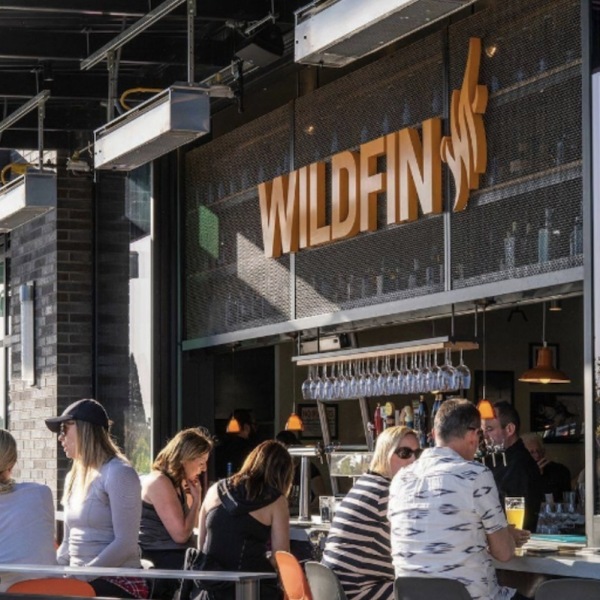
- Mixed-Use Developments: Many contemporary complexes feature retail spaces, cafes, and grocery stores on the ground floor with residential units above. This design allows residents to meet their daily needs without relying on a car.
- Sustainability and Green Building: Modern properties utilize energy-efficient HVAC systems, solar panels, green roofs, and recycled materials. These features help lower utility costs and reduce the building's overall environmental footprint.
For a deeper dive into how these spaces are planned, explore our modern apartment building design guide.
Key Factors to Consider When Renting
Finding the right apartment requires balancing several practical factors. Taking a structured approach helps ensure your new home aligns with your lifestyle and budget.
Location and Commute
Proximity to work, public transit, dining, and daily conveniences is often the most critical factor. For example, those looking for Apartments for Rent in Vancouver, WA often prioritize the walkable Vancouver Waterfront, which offers quick access to downtown amenities and scenic river trails. You can also explore local listings through platforms like Apartments for Rent in Vancouver WA or Apartments For Rent in Vancouver WA - 2113 Rentals to compare different neighborhoods.
Understanding Lease Terms
Before signing, review the lease agreement carefully. Key details to check include:
- The exact duration of the lease (e.g., 12 or 15 months).
- The security deposit requirements and terms for its return.
- Policies on lease breaking, subletting, and roommate additions.
Fluid Pricing
Rental rates in modern complexes are typically dynamic, meaning pricing is fluid and subject to change based on seasonal demand, local occupancy rates, and market trends. It is always wise to contact the leasing office directly to verify current rates and ask about active move-in specials.

Amenities and Services in Premier Apartment Complexes
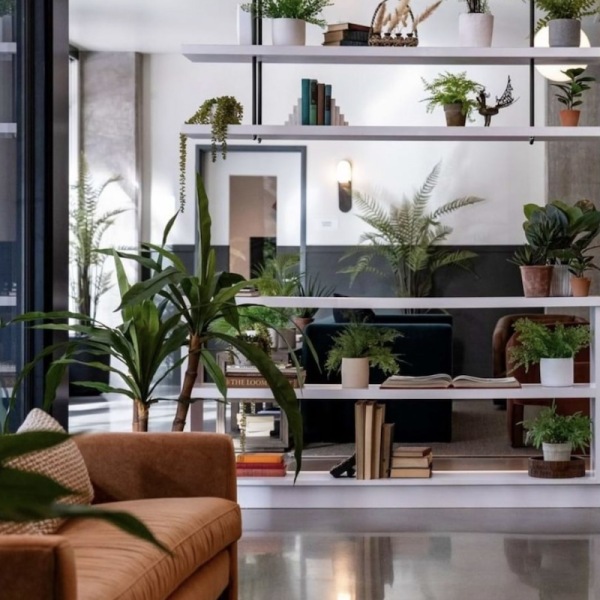
The amenities offered by an apartment complex can elevate your daily routine and foster a welcoming sense of community. Modern developments focus heavily on lifestyle-oriented spaces.
- Coworking Spaces: To support hybrid and remote work, premier complexes offer high-speed Wi-Fi, private workspaces, booth seating, and conference rooms.
- Fitness Centers: Modern residential gyms go far beyond a simple treadmill. They feature professional-grade strength training equipment, yoga studios, and dedicated spaces for functional fitness.
- Pet-Friendly Facilities: Many properties feature dedicated dog washes and outdoor pet spaces. Standard pet policies typically observe a two-pet limit per household to maintain a comfortable environment for all residents.
- Smart Home Technology: Features like smart locks, app-controlled thermostats, and integrated lighting systems are increasingly standard, offering convenience and energy savings.
- Wellness Facilities: High-end properties are incorporating resort-style wellness amenities, such as steam rooms, relaxation lounges, and on-site day spas.
Frequently Asked Questions about Apartment Living
What defines a luxury apartment complex?
A luxury complex is characterized by premium interior finishes (such as quartz countertops, custom cabinetry, and stainless steel appliances), professional on-site management, and experiential amenities like coworking lounges, fitness centers, and wellness facilities.
How do rental rates vary by region?
Rental rates are influenced by urban density, local economic growth, and regional demand. Properties located in prime waterfront areas or bustling downtown districts generally reflect the high demand of their surroundings, while suburban garden-style properties may offer different spatial advantages. Because pricing is fluid, rates fluctuate throughout the year.
What should I look for during an apartment tour?
When touring a prospective apartment, check the following details:
- Test the water pressure in the kitchen and bathroom.
- Inspect the window seals for drafts or street noise.
- Check the cellular signal strength in various rooms.
- Verify the layout of outlets and the condition of major appliances.
Conclusion
Choosing where to live is about finding a space that supports your daily rhythm. Modern apartment complexes have evolved into dynamic communities that blend private residential comfort with social, professional, and wellness-focused spaces.
At The Miller Apartments by Flats, located in the vibrant Vancouver Waterfront neighborhood of Vancouver, WA, we bring this balance to life. Our luxury apartments blend modern design with the city's rich industrial history. Designed with wellness and community at the core, our residents enjoy access to a premier day spa, a state-of-the-art fitness center, and a fully equipped coworking lounge.
If you are ready to explore the possibilities of sophisticated waterfront living, browse our modern apartment building design ideas or contact our leasing team to schedule your personal tour today.