

The Raw Beauty of Industrial Design Apartments
Industrial design apartments blend historical architecture with modern living, characterized by exposed structural elements and raw materials that celebrate a building's heritage.
What Makes Industrial Design Apartments Unique:
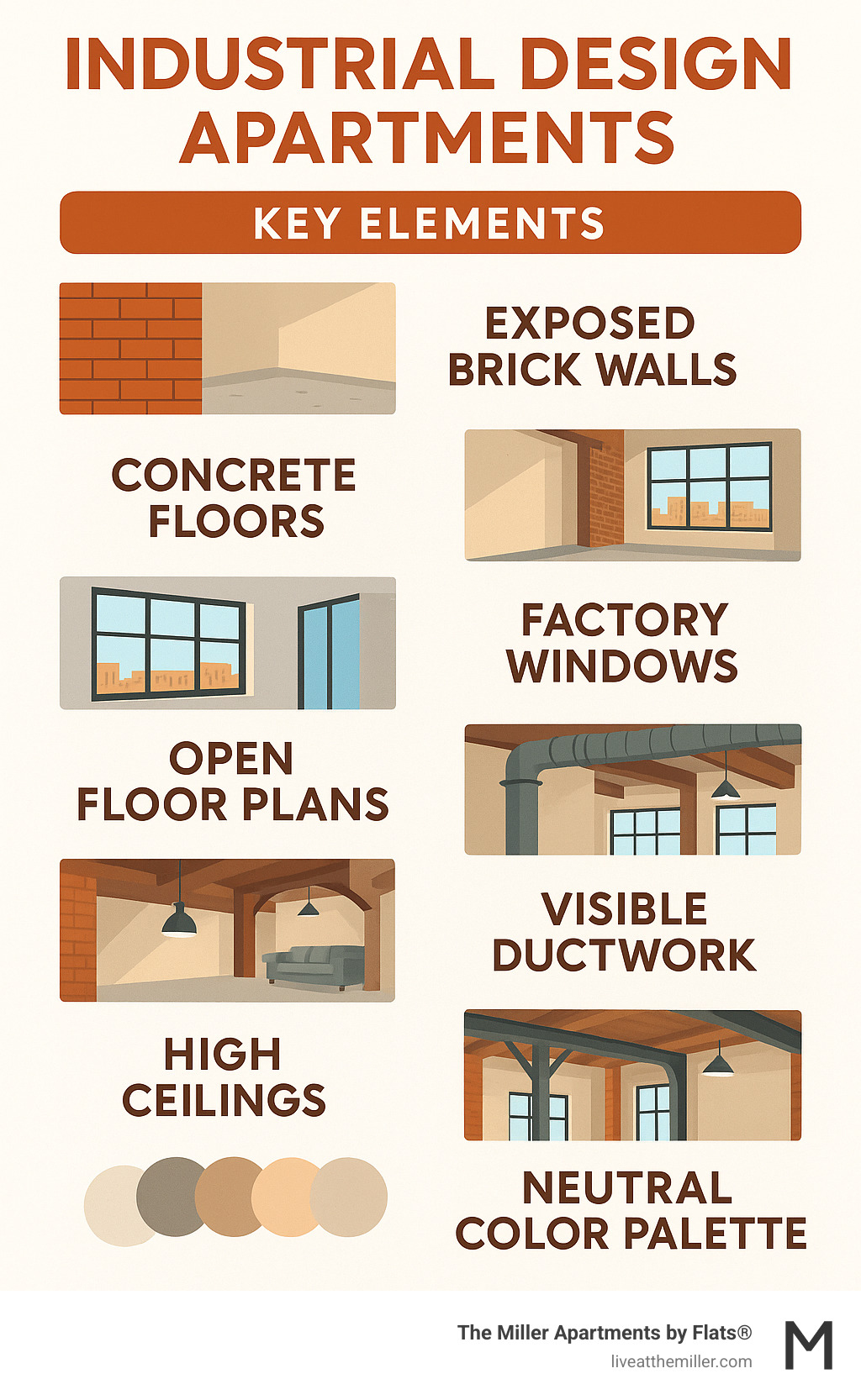
- Exposed brick walls, concrete floors, and visible ductwork
- High ceilings with original beams and supports
- Large factory-style windows that maximize natural light
- Open floor plans with minimal interior walls
- Materials like steel, wood, and glass in their natural state
These distinctive living spaces emerged in the 1970s when artists began occupying abandoned factories in Manhattan's SoHo district, changing manufacturing spaces into functional homes. Today, industrial apartments range from authentic conversions of historic buildings to new constructions designed with industrial-inspired aesthetics.
The appeal of industrial design lies in its authenticity and character. As one architect notes, "Nothing ruins a design like trying too hard; simplicity is key." This philosophy guides the most successful industrial spaces, where original elements are preserved and celebrated rather than concealed.
The industrial aesthetic has evolved beyond its utilitarian roots to become one of the most sought-after residential styles in urban centers. Many cities' hottest apartment markets were—or still are—centers of industry, and their history is inseparable from their industrial structures. These buildings offer features not readily available in modern apartments: soaring ceilings, expansive windows, and distinctive architectural details, all within valuable urban locations.
Whether you're drawn to the historic character of a converted warehouse or the industrial-inspired details of a new building, these spaces offer a unique combination of raw beauty and practical living that continues to captivate city dwellers.
Industrial Design Apartments 101
The story of industrial design apartments is one of urban reinvention—a tale that begins with artistic pioneers and evolves into one of today's most coveted living styles.
Origins: From Factory Floors to Living Spaces
Back in the mid-1970s, as manufacturing jobs disappeared from city centers, something magical happened in Manhattan's SoHo district. Artists, always on the hunt for affordable spaces with good light, began quietly moving into abandoned factories and warehouses. These weren't just places to work—they became homes too, with open floors perfect for both creating art and everyday living.
Here's the funny thing: initially, these artist-residents were essentially squatters. City zoning laws technically prohibited living in these manufacturing spaces, but the artists moved in anyway. As one converted warehouse resident puts it, "Sometimes the best neighborhoods start as happy accidents."
City officials eventually recognized how these creative communities were breathing new life into deteriorating areas. New York responded by creating the Artist in Residence (AIR) program, legitimizing what was already happening and sparking a movement that would spread to industrial centers worldwide.
"These buildings sit in prime locations," explains a developer who has completed over 30 adaptive-reuse projects throughout the Northeast. "They're typically found close to town centers, so they're walkable to shops, restaurants, entertainment, and usually near public transportation—exactly what today's urban dwellers want."
Adaptive Reuse vs. New-Build Industrial Chic
Today's industrial design apartments generally fall into two distinct categories:
| Feature | Adaptive-Reuse Lofts | New-Build Industrial Chic |
|---|---|---|
| Origin | Converted factories, warehouses, breweries | Purpose-built modern construction |
| Authenticity | Original structural elements, historical character | Designed to mimic industrial aesthetics |
| Layout | Dictated by existing architecture, often unique per unit | Planned for efficiency, more uniform layouts |
| Ceiling Height | Often 12-20 feet, sometimes higher | Typically 9-12 feet, strategically higher in common areas |
| Windows | Original factory windows, sometimes with historic protection | Modern energy-efficient windows in industrial style |
| Construction Challenges | Structural reinforcement, code updates, historic preservation | Creating authentic-looking "aged" finishes |
| Cost Factors | Historic tax credits may offset higher renovation costs | More predictable construction costs |
| Character | Each building has unique history and features | Consistent design language throughout |
Why Industrial Design Apartments Captivate City Dwellers
The enduring love affair with industrial design apartments isn't just architectural—it's emotional too.
Dramatic spaces define these homes, with ceilings soaring to 20 feet and windows that flood rooms with natural light. These architectural features create living experiences impossible to replicate in conventional apartments.
Historical connection matters to residents. "When I touch the brick walls in my apartment, I'm touching the same surface factory workers touched a century ago," shares a resident of a converted pencil factory in Copenhagen. "There's something deeply satisfying about that continuity."
Prime locations are another major draw. Many industrial buildings occupy valuable urban real estate, offering walkability that newly constructed buildings often can't match.
Investment potential attracts many buyers too. The limited supply of authentic industrial buildings, combined with their unique character, often leads to strong value retention over time.
Creative inspiration flows naturally in these spaces. The raw, unfinished quality encourages personal expression and imaginative living solutions that conventional apartments simply don't inspire.
Essential Vocabulary for Industrial Design Apartments
Understanding industrial design apartments means learning their unique language:
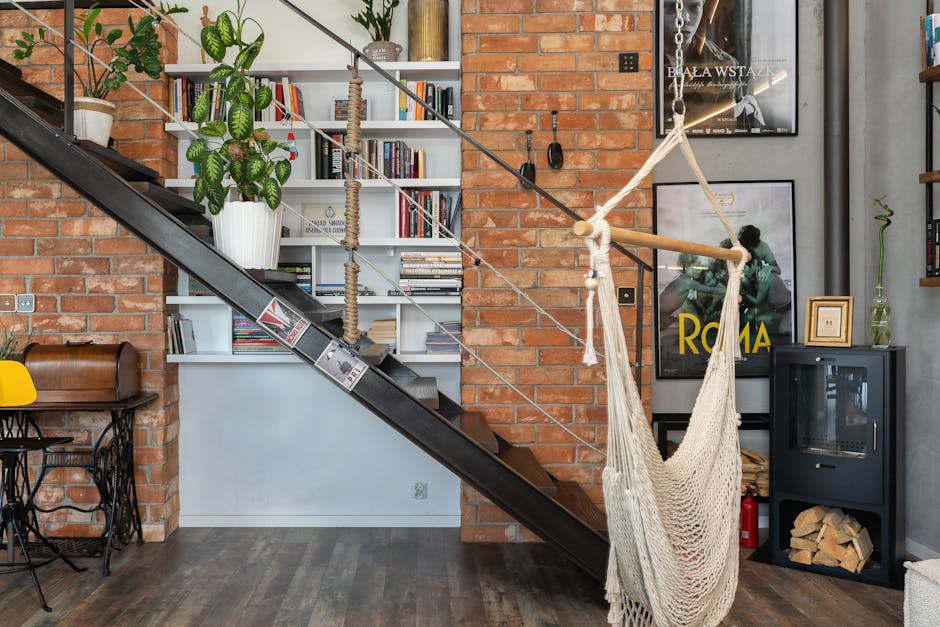
Exposed brick walls reveal original construction, complete with characteristic imperfections that tell a building's story. These walls become natural focal points in industrial spaces.
C-channel steel refers to the U-shaped structural members often visible in converted buildings—functional elements that become design features.
Clerestory windows sit high above eye level, a common factory feature that maximizes light while maintaining privacy from street level.
Factory sash windows with their distinctive multi-paned steel frames are hallmarks of early 20th-century industrial architecture, often preserved in authentic conversions.
Patina describes the beautiful weathering that develops on materials like metal, wood, and brick over time—highly prized in industrial design for the character it brings.

Adaptive reuse is the architectural practice of repurposing buildings for uses different from those initially intended—the very process that creates authentic industrial apartments.
Live-work spaces accommodate both residential living and professional activities, a concept pioneered in industrial lofts long before "working from home" became mainstream.
Timber beams are the large wooden structural supports often left exposed in converted warehouse spaces, adding warmth to contrast with harder industrial elements.
Blackened steel has been treated to achieve a dark, matte finish that's become a signature element in both authentic and new industrial designs.
Anatomy of the Look: Materials, Layouts & Lighting
The magic of industrial design apartments lies in how they blend raw materials, open spaces, and thoughtful lighting to create homes that feel both authentic and livable. It's this careful balance that makes these spaces so captivating—they honor their manufacturing roots while providing all the comfort modern living demands.
Think of industrial design as honest architecture—it doesn't hide what it's made of, but celebrates it instead. As Morten Bo Jensen, who lives in a converted pencil factory and serves as chief designer at Vipp, puts it: "Living in my own designs legitimizes why design must start with function." This practical philosophy is at the heart of every successful industrial space.
Material Palette & Finishes
Walk into any industrial design apartment and you'll immediately notice the distinctive materials that give these spaces their soul:
The warm, textured presence of exposed brick walls often serves as the backdrop for industrial living. Some residents prefer them painted white for a brighter feel, while others love the natural variations in color and texture. Architects typically recommend assessing brick quality before exposing it—sometimes covering damaged areas makes more sense than forcing the look.
Concrete floors and ceilings add unmistakable industrial character while offering incredible durability. In thoughtful conversions like Yarn Works Apartments (a former textile mill), original concrete surfaces are carefully preserved and refinished rather than covered up, complementing soaring 20-foot ceilings and massive windows.
Reclaimed timber brings essential warmth to balance the harder surfaces in industrial spaces. Original wooden beams and columns are treasure-like features in warehouse conversions, while newer industrial-inspired homes often incorporate salvaged wood for floors, shelves, or accent features.
Black steel elements define the industrial aesthetic, from structural supports to custom details like stair railings and doorframes. One Chelsea loft renovation beautifully demonstrates this with custom steel-and-glass doors that create a home office without disrupting the open feel of the space.
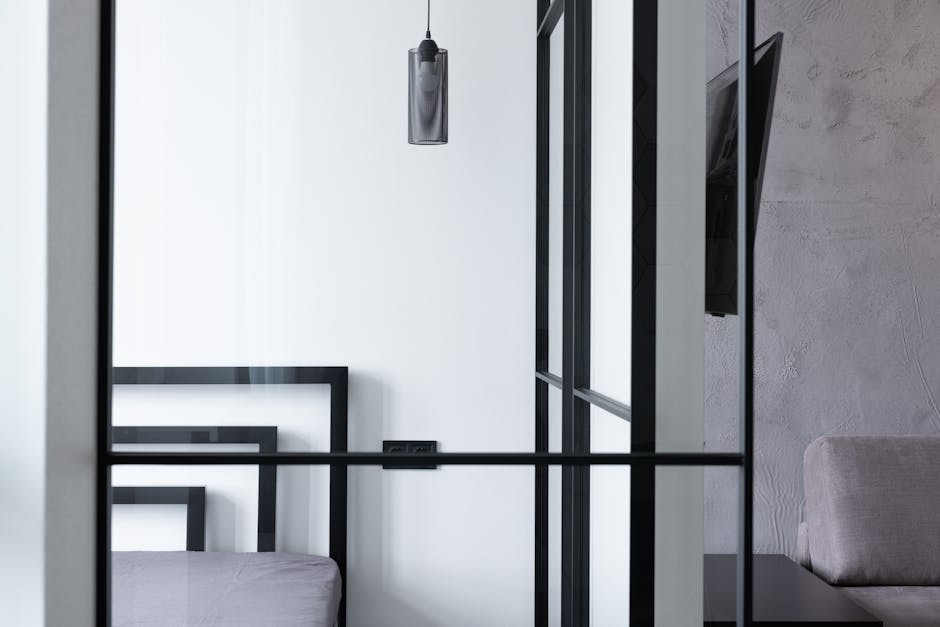
Factory-style glass in both exterior windows and interior partitions allows natural light to flood these spaces. Steel-framed glass walls have become particularly iconic in the industrial style, creating visual separation without sacrificing the open, airy quality that makes lofts so special.
A standout example from SHOKO.design in Poland shows how brilliantly these materials can work together. Their apartment features original wooden beams, exposed brick, and a custom glass partition that creates a private bedroom while maintaining the loft's open character. They've softened the space with a handcrafted oak countertop that serves double-duty as both bar and workspace.
Let There Be (Industrial) Light
Lighting in industrial design apartments isn't just functional—it's an essential design element that reinforces the authentic factory feel:
Natural light takes center stage in these spaces, thanks to the tall windows and clerestory lighting originally designed to illuminate factory floors. These architectural features become prized elements in residential conversions.
Pendant clusters with simple metal shades and visible cords provide focused illumination while enhancing industrial character. Often hung in groups, these fixtures create visual interest while providing practical task lighting.
Factory-inspired wall sconces add authenticity while directing light exactly where it's needed. These fixtures often feature adjustable arms or shades, combining form with function.
Edison bulbs with their visible filaments nod to early electric lighting while casting a warm, inviting glow. They're particularly effective in pendant fixtures or simple wall mounts.
Track lighting systems offer flexibility for highlighting artwork or work areas while maintaining an industrial vibe. Their utilitarian appearance fits perfectly with the overall aesthetic.
A clever example comes from a Kiev penthouse converted from a former equipment room, where designers installed dramatic floor-to-ceiling windows in the bathroom. This unexpected touch maximizes natural light and offers stunning city views, with simple curtains providing privacy without compromising the industrial feel.
The layouts of industrial design apartments typically accept openness and flow—qualities that translate beautifully from their manufacturing origins to contemporary living. You'll often find:
Open-plan living spaces with minimal interior walls, allowing light to penetrate deep into the home while creating flexible areas for different activities.
Defined zones created through furniture arrangement, area rugs, or subtle level changes that maintain openness while establishing distinct areas for living, dining, and working.
Central kitchen islands that serve as both preparation space and casual dining spots, becoming natural gathering places in these open homes.
Mezzanine levels in spaces with exceptionally high ceilings, adding usable square footage while preserving the volume and openness that make these apartments special.
Steel-framed glass partitions that create visual boundaries without blocking light or the sense of spaciousness that defines the industrial aesthetic.
Style Mash-Ups & Personalization
The beauty of industrial design apartments lies not just in their raw elements, but in how residents make these spaces uniquely their own. While some purists accept the unfiltered industrial aesthetic, many prefer to soften these spaces by blending industrial foundations with complementary design styles.
Think of your industrial apartment as a canvas—the exposed brick, concrete floors, and visible ductwork provide the backdrop for your personal style story. This fusion approach honors your building's industrial heritage while creating a home that feels authentically yours.
Blending Scandinavian Calm with Industrial Edge
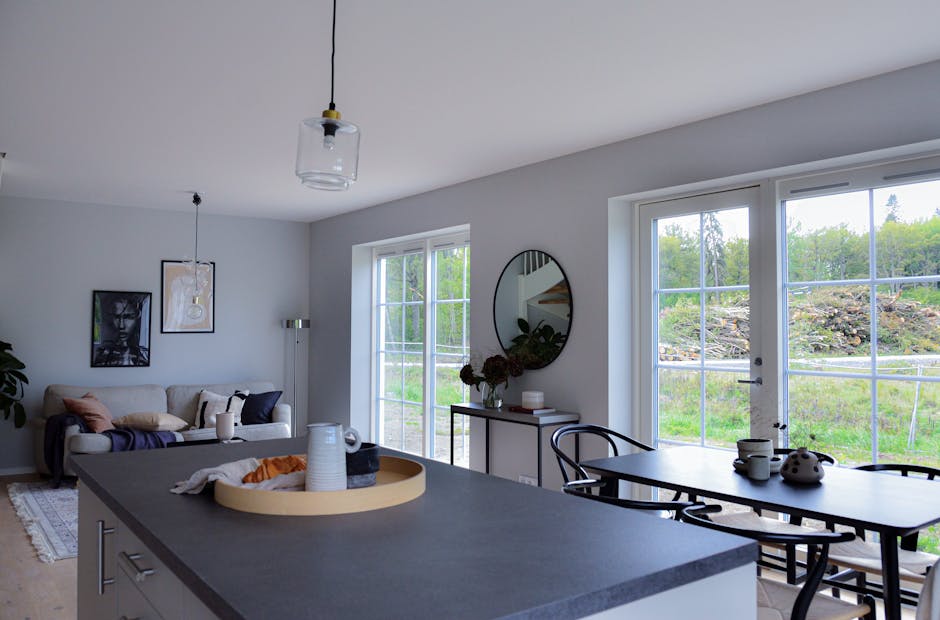
The marriage of industrial architecture with Scandinavian design creates a particularly harmonious partnership. Both styles celebrate simplicity, functionality, and honest materials—they're natural companions in the design world.
"Concrete walls and ceilings are something that you either love or hate," notes one designer whose concrete-walled apartment showcases this blend perfectly. By introducing warm wood tones, soft textiles, and clean-lined furniture, the space achieves a delicate balance between industrial strength and Scandinavian comfort.
To create this popular fusion in your own space, focus on these elements:
Light wood tones brighten industrial spaces and add natural warmth against concrete and metal. Textural textiles like wool throws and linen upholstery soften hard industrial surfaces, while a neutral color palette creates a calm backdrop that lets architectural features shine. Add hygge accents—candles, plants, and personal collections—to bring that distinctive Danish coziness to industrial spaces.
The Viking Pencil Factory Loft in Copenhagen exemplifies this approach beautifully. Designer Morten Bo Jensen installed Dinesen Douglas fir flooring finished with lye and white pigment, creating a bright counterpoint to the industrial structure. As Jensen puts it, "A cohesive design environment embodies visual calm and daily efficiency."
Looking for inspiration? This Pinterest collection showcases stunning examples of Scandinavian-industrial fusion spaces.
Small-Space Hacks for Industrial Design Apartments
Not all industrial design apartments offer cavernous square footage. Many urban dwellers are drawn to industrial aesthetics but need to apply them in more compact spaces. Thankfully, industrial design principles adapt beautifully to smaller footprints.
Glass partitions create separate rooms without blocking light or making spaces feel cramped. One apartment cleverly uses an industrial glass wall to create a flexible second bedroom that maintains the open feel when not in use for guests.
Vertical storage maximizes space in small industrial apartments. Metal shelving that stretches to the ceiling adds storage while reinforcing the industrial look. In apartments with generous ceiling height, a mezzanine level adds valuable living or storage space without sacrificing the open feeling below.
For maximum flexibility, consider multifunctional furniture—kitchen islands that double as dining tables or modular sofa systems that reconfigure "like Lego" depending on your needs. One newlywed couple with a baby maximized their industrial apartment by adding a storage mezzanine that created additional living space below.
Research published in WebMD confirms what many of us intuitively know: visual clutter increases stress levels. This makes thoughtful storage particularly important in open-plan industrial spaces where everything remains visible. Look for organization systems that complement industrial aesthetics—metal and wood shelving or vintage industrial storage containers help maintain both style and serenity.
Beyond Scandinavian blends, other popular industrial fusion styles have emerged. Vintage-industrial incorporates antique furniture and retro appliances, while romantic-industrial softens edges with crystal chandeliers and velvet upholstery. Boho-industrial adds eclectic textiles and plants for a more relaxed feel, and modern-industrial pairs sleek contemporary pieces with raw industrial backgrounds.
The secret to successful personalization? Maintaining balance. Let the industrial bones of your space remain visible while introducing elements that reflect your personal style and improve livability. Your industrial apartment should tell your story while honoring the building's history—creating a space that feels both authentic and deeply personal.
Converting & Creating: From Warehouse to New-Build
The journey of industrial design apartments follows two fascinating paths: breathing new life into existing industrial structures or creating fresh spaces that capture that coveted industrial vibe. Both approaches offer their own unique stories and challenges, with developers and architects playing creative roles in bringing these distinctive homes to life.
Adaptive Reuse Success Factors
Changing a weathered factory or warehouse into homes people love requires both vision and practical know-how. The most successful conversions honor a building's working past while creating spaces that feel unmistakably like home.
Behind many successful adaptive reuse projects are historic tax credits that make the numbers work. "Most historic-adaptive reuse deals occur in states offering matching historic tax credits," explains one developer who's completed dozens of these changes. Without these financial incentives, many beloved industrial conversions simply wouldn't exist.
The bones of the building matter enormously. Industrial structures were built to support massive machinery and materials, but turning them into safe, comfortable homes requires careful evaluation. Original columns, beams, and brick walls must be assessed, preserved where possible, and sometimes reinforced to meet modern standards.
Navigating building codes presents creative challenges too. Modern requirements for fire safety, accessibility, and energy efficiency often require innovative solutions that respect historical elements. At The Miller Apartments, this balance of preservation and modernity creates spaces that feel authentic yet completely current.
Industrial design apartments derive their soul from character-defining features—original timber beams, factory windows, or exposed brick walls that tell the building's story. In one notable conversion of a former brewery, developers even preserved the massive brewing vats as conversation pieces, creating a living museum of the neighborhood's industrial heritage.
The comfort challenges of industrial spaces require thoughtful solutions. These buildings typically weren't designed with insulation or soundproofing in mind. Converting them means adding interior insulation to preserve those beautiful exterior brick walls and implementing sound control strategies to make open-concept living peaceful. Soft furnishings, strategic space planning, and sometimes acoustic panels disguised as artwork help create quieter, more comfortable homes.
Achieving the Look in New Construction
Not every industrial design apartment begins life as a factory or warehouse. Many developers now create brand-new buildings that capture industrial aesthetics, offering that coveted loft feel with all the advantages of contemporary construction.
Creating authentic industrial character in new buildings involves thoughtful design choices. Thin brick veneer or specialized panels can recreate the look of historic masonry without structural complexities. Mechanical systems are intentionally left visible rather than hidden behind drywall, celebrating functional elements as design features.
Concrete floors—ground and polished to a beautiful finish—deliver industrial authenticity while allowing for modern comforts like radiant heating. Custom blackened steel details in columns, window frames, and stairways add that essential industrial edge to new spaces.
Many developers incorporate genuine historic materials into new buildings. Reclaimed wood beams, salvaged brick, and repurposed metal from demolished industrial buildings add layers of authenticity and character impossible to recreate with entirely new materials.
Strategic design of ceiling heights helps capture that essential industrial feeling. While not every room can feature 20-foot ceilings, architects often design common areas and select units with higher-than-standard heights to create the sense of volume that makes industrial spaces so appealing.
"We're not trying to fake history," explains one architect who specializes in industrial-inspired new construction, "but rather to capture the essence of what makes industrial spaces compelling—the honest expression of materials, the generous volume, the connection between inside and outside through large windows."
This approach to new industrial-inspired construction has grown increasingly popular, offering residents the aesthetic appeal of historic lofts with the convenience and efficiency of modern building techniques.
Living the Lifestyle: Benefits, Challenges & Future Trends
Living in an industrial design apartment isn't just about having a stylish home—it's embracing a distinctive way of life that resonates with many urban dwellers. These unique spaces offer a blend of character, flexibility, and connection to history that conventional apartments simply can't match.
Pros & Cons of Industrial Design Apartments
The appeal of industrial living goes far beyond aesthetics. Residents often speak of the transformative nature of these spaces, like Michael, who lives in a converted textile mill: "There's something energizing about living in a space with history—you feel connected to the city's past while creating something new within these walls."
Industrial apartments offer remarkable benefits including architectural character with soaring ceilings and massive windows that flood interiors with mood-boosting natural light. The open floor plans provide best flexibility, allowing residents to adapt their space to changing needs rather than being constrained by traditional room divisions.
Many converted buildings foster strong community connections through thoughtfully designed common areas that celebrate shared heritage. At Yarn Works Apartments, the community room features dramatic 17-foot windows and 20-foot ceilings, creating a gathering space that honors the building's textile mill history while serving today's residents.
From an investment perspective, the uniqueness and limited supply of authentic industrial spaces often translates to strong property value retention. Plus, many residents report feeling more creative and inspired in these environments, where raw, unfinished elements encourage personal expression.
Of course, industrial living comes with its challenges. The hard surfaces—concrete, brick, and steel—can create acoustic issues, though strategic placement of rugs, textiles, and furniture helps tame unwanted echoes. Temperature regulation can be tricky with high ceilings and large windows, making modern HVAC systems essential for year-round comfort.
Maintenance considerations differ from conventional apartments too. Exposed brick occasionally sheds dust, concrete floors might need periodic resealing, and those beautiful factory windows require regular cleaning. Privacy can also be a concern in open layouts, prompting creative solutions like glass partitions, strategic furniture placement, or custom room dividers.
Cost is another factor to consider—authentic industrial design apartments, particularly in prime urban locations, often command premium prices due to their uniqueness and desirability.
The Future of Industrial Design Apartments
The industrial aesthetic continues to evolve while maintaining its essential character. Several exciting trends are shaping the future of these distinctive living spaces:
Sustainability is becoming increasingly central to industrial conversions. Adaptive reuse is inherently green, preserving the embodied energy in existing structures and reducing construction waste. Future projects will likely emphasize additional eco-friendly features like energy-efficient systems, water conservation, and sustainable materials.
Smart technology is finding its way into industrial spaces—from lighting and climate control to security systems—with designs that complement rather than compete with industrial aesthetics. Imagine Edison bulbs that dim via smartphone or factory-style windows that tint electronically.
The introduction of biophilic elements—living walls, interior gardens, and abundant plants—creates compelling contrast between man-made and natural elements while improving air quality and wellbeing. This "industrial garden" approach softens industrial hardness while maintaining authentic character.
Wellness-focused amenities are becoming standard in industrial apartment developments. The Miller Apartments by Flats® exemplifies this trend with features designed to promote physical and mental wellbeing, creating spaces where residents can thrive in every sense.
As remote work becomes more common, industrial design apartments are evolving to include dedicated home office areas and co-working spaces that maintain industrial character while supporting productivity. High ceilings and generous natural light create ideal conditions for focused work.
While preserving industrial character, many new developments are creating more efficient units that maximize functionality through clever design and multi-purpose features. These spaces might be smaller in square footage but feel spacious thanks to thoughtful layouts and industrial elements like high ceilings.
The enduring appeal of industrial design lies in its authenticity and adaptability. As one architect observed, "Industrial spaces have already proven their longevity—many of these buildings have stood for over a century. Their ability to be reimagined for new uses suggests they'll continue to evolve and remain relevant for generations to come."
Conclusion
The enduring appeal of industrial design apartments lies in their unique ability to bridge past and present, offering living spaces that feel both authentic and thoroughly modern. These homes speak to our desire for connection—to history, to community, and to something genuine in an increasingly mass-produced world.
When you walk into an industrial space, you immediately sense the difference. The soaring ceilings create a feeling of possibility. The exposed brick tells stories of craftsmanship from another era. The massive windows frame urban views while flooding interiors with natural light that changes throughout the day. These aren't just aesthetic choices—they're elements that fundamentally change how we experience our living spaces.
At The Miller Apartments by Flats®, this philosophy comes beautifully to life in Vancouver's vibrant Waterfront neighborhood. Here, industrial heritage meets contemporary comfort in a thoughtful blend that honors the area's past while embracing modern living. Residents enjoy the character of exposed structural elements and loft-inspired layouts alongside wellness-focused amenities like the day spa and fitness center. The coworking lounge acknowledges how we live and work today, while community spaces foster connections between neighbors.
What makes industrial design apartments so compelling isn't perfection—it's quite the opposite. The slight imperfections, the marks of time, the evidence of human hands that built these spaces originally—these elements create homes with soul. As one resident put it, "My apartment feels like it has stories to tell. I'm just adding my chapter to its history."
Whether you're drawn to an authentic warehouse conversion with its original timber beams and freight elevators, or you prefer a new building that captures industrial spirit with thoughtful details, these spaces offer something increasingly rare: homes with distinctive character in prime urban locations.
The industrial aesthetic continues to evolve, incorporating sustainability, wellness features, and flexible spaces for our changing lifestyles. Yet its core appeal remains constant—the honest expression of materials, the generous volume, and the perfect balance of raw beauty with practical comfort.
For those looking to experience this distinctive lifestyle in Vancouver, The Miller's amenities offer an inspiring example of how industrial character can improve everyday living, creating spaces that feel both timeless and perfectly attuned to contemporary needs.