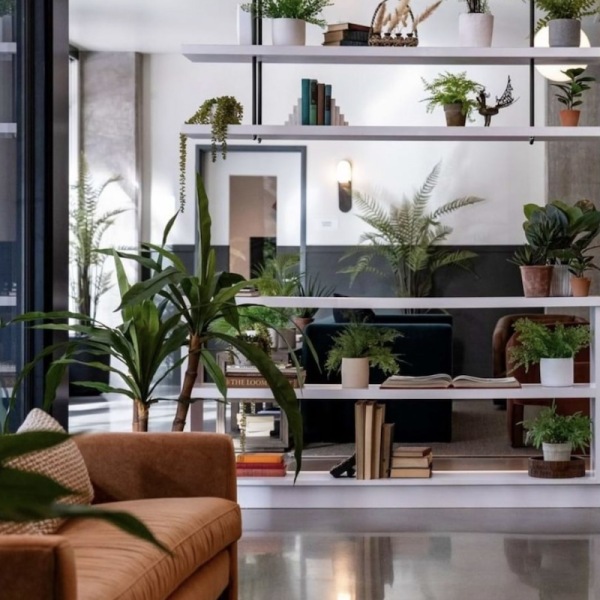


Why Building Apartments Creates Smart Investment Opportunities
Building apartments has become an attractive investment strategy for developers seeking steady returns. Whether you're considering a small fourplex or a mid-rise complex, new construction offers unique advantages that buying existing properties can't match.
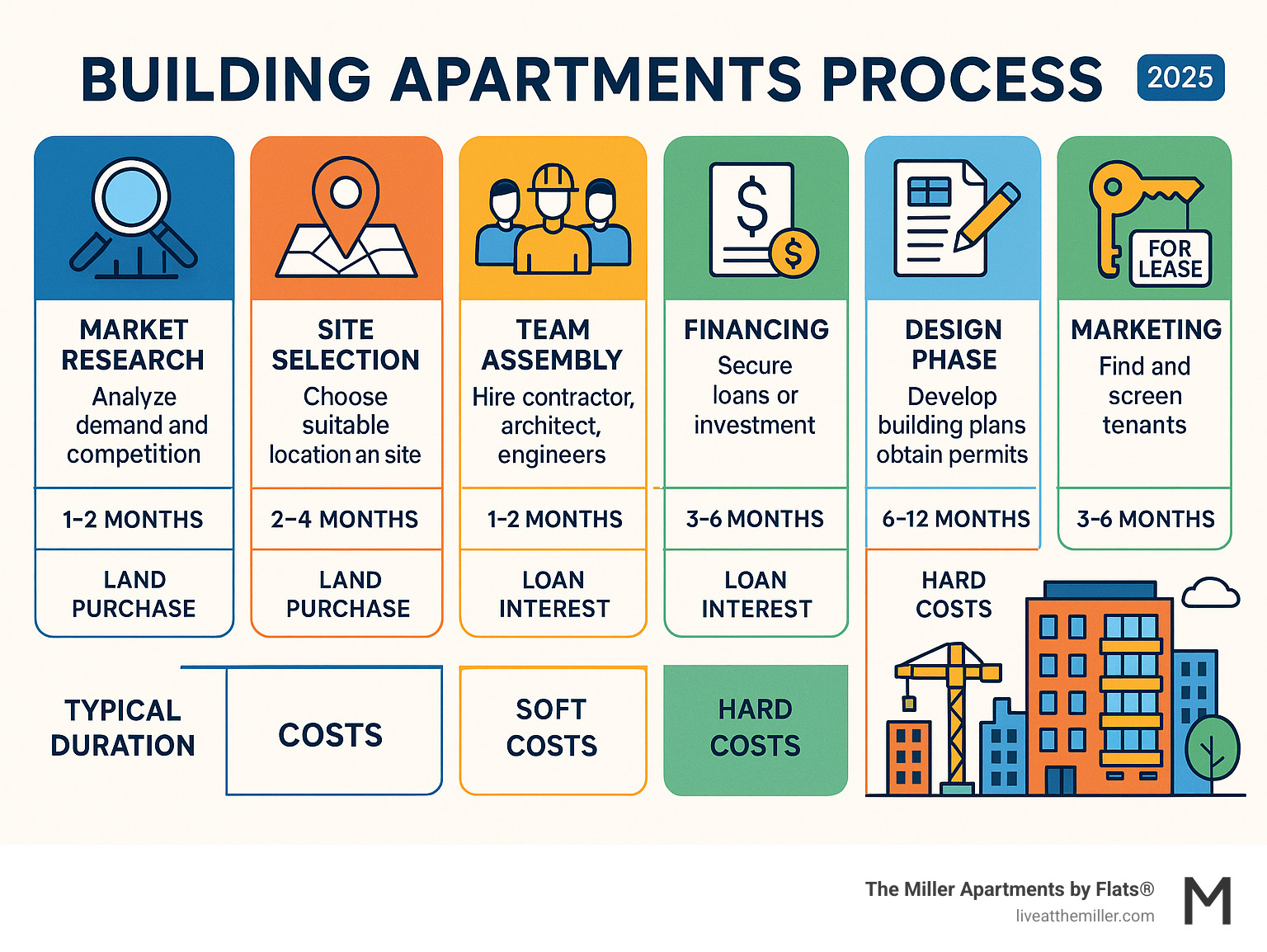
The Apartment Building Process
- Research & Feasibility - Analyze demand, location, and costs.
- Team & Funding - Hire professionals and secure financing.
- Design & Permitting - Create blueprints and get approvals.
- Construction - Build the structure and finish the interiors.
- Lease-Up & Management - Market the property and manage operations.
Recent industry data shows that apartment occupancy has been exceptionally strong, while construction costs vary significantly based on finishes and location. Building your own apartments means you control every detail - from energy-efficient systems to modern amenities that command higher rents. You're not inheriting someone else's problems or outdated designs.
The investment appeal is clear: new apartment buildings can achieve favorable returns, and you can tailor your building to meet specific market demands. However, success requires careful planning. Navigating zoning regulations and managing construction teams involves complex decisions that can make or break your investment.
Step 1: Laying the Groundwork - Feasibility, Location, and Costs
Every successful apartment development begins with one question: Will this work? Before committing to land or plans, you must analyze the numbers, the neighborhood, and the details that separate profitable projects from costly mistakes.
Market analysis is the backbone of your project. Investigate local demand, study your competition, and understand what tenants want. Understanding your future tenants - whether they are individuals seeking smaller, efficient spaces or households needing larger units - helps shape everything from unit sizes to amenities. Proximity to transportation, jobs, and schools is crucial.
Site selection is a blend of analysis and instinct. A great site has practical elements like good soil conditions and proper drainage, plus intangible factors like neighborhood character. It must also accommodate your vision within local constraints.
Feasibility studies provide hard data, examining if projected rental income can support construction costs and deliver desired returns. These studies use metrics like Return on Cost (ROC) and cap rates to evaluate profitability.
Zoning regulations are critical. These local rules dictate what you can build, its height, unit count, and more. Understanding them early prevents costly surprises.
Understanding the Costs of Building Apartments
Building apartments involves two main cost categories: hard costs and soft costs.
Hard costs are the tangible expenses for materials, labor, equipment, and site work. These direct construction expenses make up the bulk of your total budget.
Soft costs are the less obvious but equally important expenses. This category includes design fees, permits, legal services, financing, and project management, which together account for a significant portion of the budget.
Other major costs include land acquisition, which varies by location and potential, and permit fees for regulatory compliance.
| Category | Components | Typical Budget Share |
|---|---|---|
| Hard Costs | Materials, Labor, Equipment, Site Work | The Majority |
| Soft Costs | Permits, Design Fees, Legal, Financing, Admin | A Significant Portion |
How Location and Apartment Type Impact Your Budget
Location dramatically affects project costs. High-demand urban areas often have higher land prices and stricter building codes. Urban vs. suburban sites also present different financial realities, from logistics challenges to infrastructure needs.
The type of apartments you build also shapes the budget. Luxury finishes increase costs, while projects focused on mid-range functionality balance quality with cost-effectiveness. Cost-efficient developments use practical construction methods and materials, often leveraging government incentives to make them financially viable. Smart design can improve appeal without breaking the budget, and Modern Apartment Building Design Ideas can offer inspiration.
To Build or To Buy? A Critical Decision
This choice shapes your entire investment strategy. Building apartments offers complete control, allowing you to create a modern, efficient property custom to market demands. You get new systems with warranties and avoid inheriting old problems.
Buying existing properties provides immediate cash flow and a proven performance history. However, older buildings often come with renovation needs and potential hidden costs.
Long-term value creation often favors new construction in growing markets. The decision depends on your risk tolerance, capital, and timeline. For those considering existing properties, a resource like How to Buy an Apartment Building offers valuable insights.
Step 2: Assembling the Team and Securing Funds
With your groundwork laid, it's time to assemble the team that will bring your vision to life. Building apartments is a team sport, and these are your key players:
- General Contractor: The conductor of the construction process, managing subcontractors, schedules, and budgets. Find a contractor with a solid track record in apartment complexes.
- Architect: Transforms your vision into buildable plans, solving complex puzzles about space, flow, and function.
- Engineers: Structural, mechanical, electrical, and plumbing (MEP) engineers ensure the building is sound and its systems work correctly. Civil engineers handle site issues like drainage.
- Project Manager: Your central coordinator, tracking timelines, managing budgets, and solving problems before they become costly.
For a comprehensive breakdown, resources like How To Build An Apartment Complex In 10 Steps provide valuable guidance.

Navigating the World of Financing
Unless you are self-funding, you'll need financing. The world of apartment construction loans is different from a standard home mortgage.
- Commercial Loans: The backbone of most projects. Lenders will scrutinize your financial projections, experience, and the project's economic sense. They typically require you to have some skin in the game.
- Mezzanine Financing: This can bridge the gap between a traditional loan and your own capital. It's more expensive but can be crucial for getting a project started.
- Private Investors: Individuals or private equity firms can provide capital and experience, often in exchange for a share of the profits.
- Government Incentives: Programs supporting specific development goals (like energy efficiency or community development) can offer tax credits, grants, or favorable loan terms. FHA loan programs are another option for larger projects.
The Permitting and Approval Process
Getting permits and approvals is a critical phase that requires patience. Building permits are your ticket to start construction, involving detailed plan reviews by city departments covering everything from structural integrity to fire safety.
The types of construction permits you need will vary. Zoning approvals ensure your project complies with local land-use regulations. This can be straightforward or require lengthy negotiations.
A key strategy is to meet with local planning staff early. They can clarify requirements and help you avoid roadblocks. Building relationships with city staff can smooth the process. Permit delays can affect your entire project timeline, so build buffer time into your schedule.
Step 3: The Blueprint for Building Apartments - Design and Construction
With your team and financing in place, it's time to turn your vision into reality. This stage requires meticulous attention to detail, from blueprints to finishes.
Architectural blueprints are the roadmap for construction, guiding every decision on structure, layout, and systems. A thoughtful design considers natural light, air circulation, and how residents will use the space. Your unit mix - the proportion of studios, one-bedrooms, and larger units - should reflect your market research. Well-designed Floor Plans maximize space and create comfortable environments.
Modern apartment design balances aesthetics with practicality. Amenities like fitness centers and coworking spaces are now common expectations. For inspiration, exploring Modern Apartment Interior Design Ideas can reveal trends that drive rental demand.

Key Construction Components and Materials
The building's core components determine its longevity. Smart material choices balance upfront cost with long-term value.
- Foundation: The choice depends on soil conditions. Slab-on-grade foundations are economical for low-rise buildings on good soil. Mat foundations offer more support for larger buildings, while pile foundations are necessary for weak soil, representing a more significant investment.
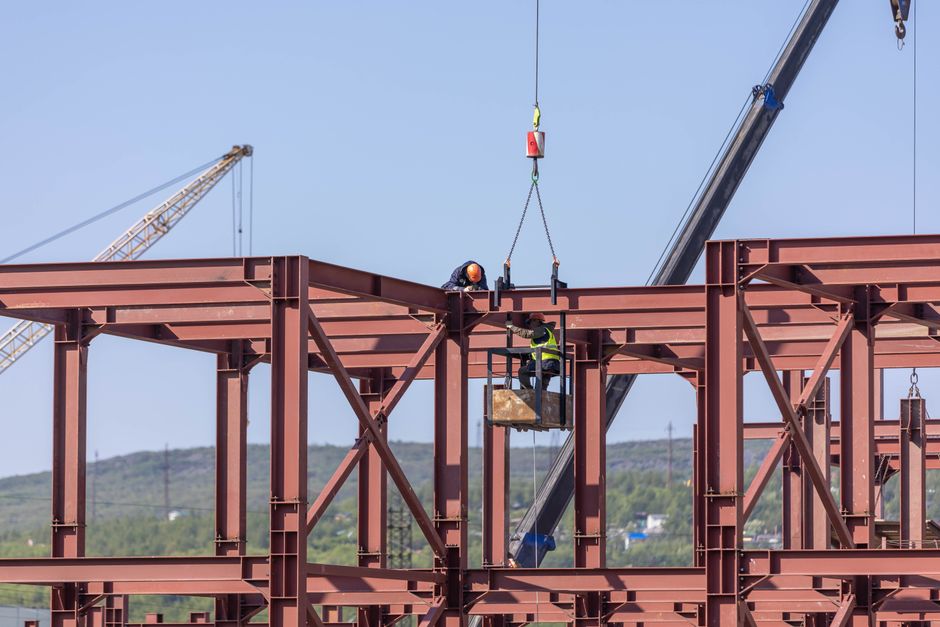
- Framing: This forms the building's skeleton. Wood framing is common for low-rise complexes. Steel framing offers superior strength and fire resistance for taller structures. Concrete framing provides maximum durability with minimal maintenance.
- Roofing: Choices affect both cost and maintenance. While flat roofs offer design flexibility, sloped roofs with quality materials often provide better long-term value.
Essential Systems and Finishes for Building Apartments
The systems and finishes directly impact tenant satisfaction.
- MEP Systems: Electrical, plumbing, and HVAC systems must handle modern demands. Quality infrastructure prevents future headaches.
- Insulation: Proper insulation is key for comfort, energy efficiency, and noise reduction between units - a crucial factor in tenant retention.
- Drywall & Finishes: Quality installation and materials create a durable, appealing interior. Finishes like flooring, paint, and fixtures create the first impression and lasting satisfaction that drives rental rates. Features like Apartments with In-Unit Laundry have become expected amenities.
Step 4: Maximizing Your Investment - Management and ROI
Once construction is complete, the journey shifts to turning your investment into a profitable, well-managed property. The transition from a construction site to a residential community requires careful orchestration.
A well-crafted marketing strategy is your bridge to profitability. Since today's renters search online, compelling digital listings with professional photos are essential. Tenant acquisition involves more than just attracting applicants; thorough screening helps you find reliable renters.
Effective property management is the heartbeat of your investment. This includes consistent rent collection, responsive maintenance, and proactive tenant relations. The best property managers prevent problems through regular inspections and preventive maintenance.
Mitigating Risks and Unexpected Challenges
Even the best-laid plans can face surprises. Smart developers prepare for these challenges.
- Contingency Funds: A financial safety net is crucial. Setting aside a portion of your budget for unexpected costs like material price spikes or labor shortages can save a project from disaster.
- Change Orders: Modifications to the original plans can quickly inflate your budget and timeline. Establish clear expectations with your contractor and resist making changes unless necessary.
- Value Engineering: This process identifies cost-effective alternatives for materials or methods without sacrificing quality.
- Surprise Costs: Unforeseen issues like poor soil conditions or mandatory utility upgrades can be frustrating and expensive. As highlighted in A Beginner's Guide To Apartment Development, understanding these pitfalls helps you create more realistic plans.
Ensuring Long-Term Profitability
Long-term success is measured by a steady stream of rental income. A comprehensive maintenance plan protects your asset and prevents small issues from becoming expensive repairs.
Tenant retention is a powerful profit driver. Happy tenants who renew their leases reduce turnover costs and provide steady cash flow. This means responding promptly to requests and fostering a sense of community.
Strategic Amenities can set your property apart. Modern renters want lifestyle improvements, and features like fitness centers, community spaces, and wellness facilities can justify higher rents and boost retention.
Calculating ROI requires ongoing attention to income and expenses. Strong market demand, as supported by data on apartment demand, creates favorable conditions for owners who manage their investments wisely.
Frequently Asked Questions about Apartment Development
Building apartments is a complex process that raises many questions. Here are answers to some of the most common ones.
What are the biggest unexpected costs when building an apartment complex?
Surprises are almost inevitable, and they often come with a high price tag. The most common unexpected costs stem from:
- Site Conditions: Poor or contaminated soil can require extensive and expensive foundation work or environmental remediation.
- Utility Upgrades: Local utility companies may require costly infrastructure improvements as a condition for service connection.
- Permit Delays: Regulatory delays can halt progress while costs continue to accumulate, draining resources and postponing income.
- Material Price Fluctuations: Sudden spikes in the cost of materials like lumber or steel can strain even well-planned budgets.
How long does it typically take to build a small apartment building?
For a small apartment building of 10 to 20 units, the process typically takes 12 to 24 months from start to finish. The planning phase - including permits, zoning, and design - can often take as long as the construction itself. The construction timeline varies based on the building's complexity, weather, and other factors. It's wise to build buffer time into your schedule.
Is it more profitable to build or buy an apartment building?
This depends on your goals, timeline, and risk tolerance. Both strategies have distinct advantages.
Building apartments offers complete control. You can create a modern, efficient property custom to current market demands, which often commands higher rents. The trade-offs are higher upfront capital, a longer timeline to profitability, and significant development risk.
Buying an existing building provides immediate cash flow and a proven track record. However, you may inherit deferred maintenance and have less ability to customize. Market conditions are a key factor; in some markets, building may be more financially attractive than buying an overpriced existing property.
Conclusion
The path of building apartments becomes a manageable opportunity with the right knowledge and preparation. The process evolves from research and planning into a tangible asset that can generate returns for decades.
Success rests on three pillars: thorough planning, a strong professional team, and smart management that continues long after construction. Every decision, from framing materials to amenity selection, shapes your costs and long-term profitability. With strong demand in many markets, building apartments remains a compelling investment strategy.
The real magic happens when planning meets execution. When you see the first tenants moving into spaces you designed for their needs, the entire journey makes sense.
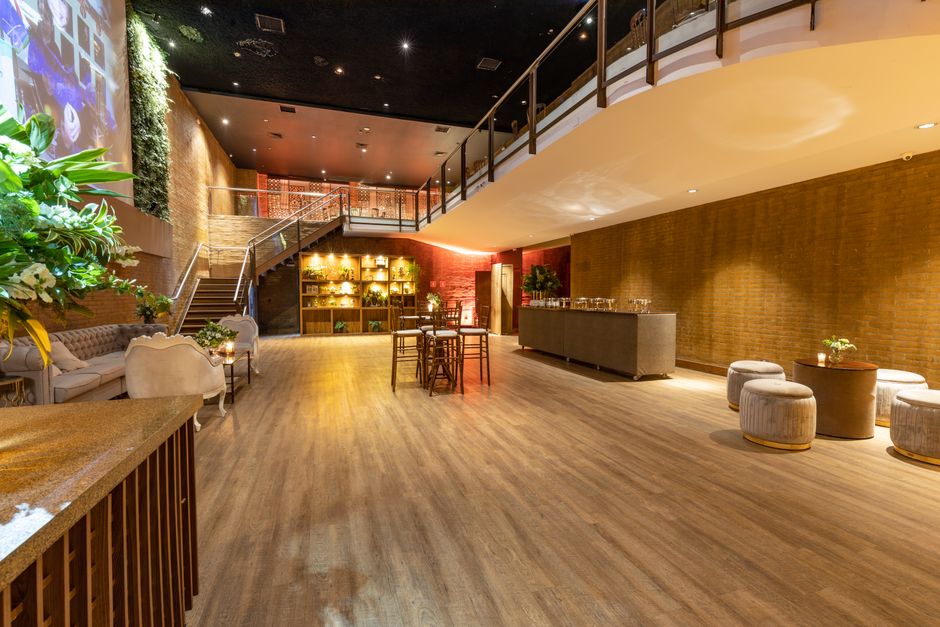
The final result of a well-planned development is a community that meets market needs through thoughtful design and quality construction. A successful project showcases how blending modern features with practical layouts creates a desirable living environment.