

What Are Apartments with Community Events? Quick Answers for Seekers
Apartments with community events are rental communities that regularly organize social, wellness, and hobby activities for residents. These events can range from yoga classes to rooftop dinners, game nights, cultural festivals, and more—all designed to help neighbors connect, relax, and enjoy life together.
If you're looking for a fast answer about apartments with community events, here's what you need to know:
What sets apartments with community events apart?
- Organized social gatherings like rooftop movie nights, open mic events, or holiday BBQs
- Wellness activities such as fitness classes or group yoga in shared spaces
- Creative workshops, cooking classes, or book clubs hosted in amenity-rich areas
- Opportunities to meet neighbors, build friendships, and join a vibrant building culture
- Resident lounges, coworking spaces, rooftop decks, and demonstration kitchens used for events
Why do so many people seek out apartments with community events?
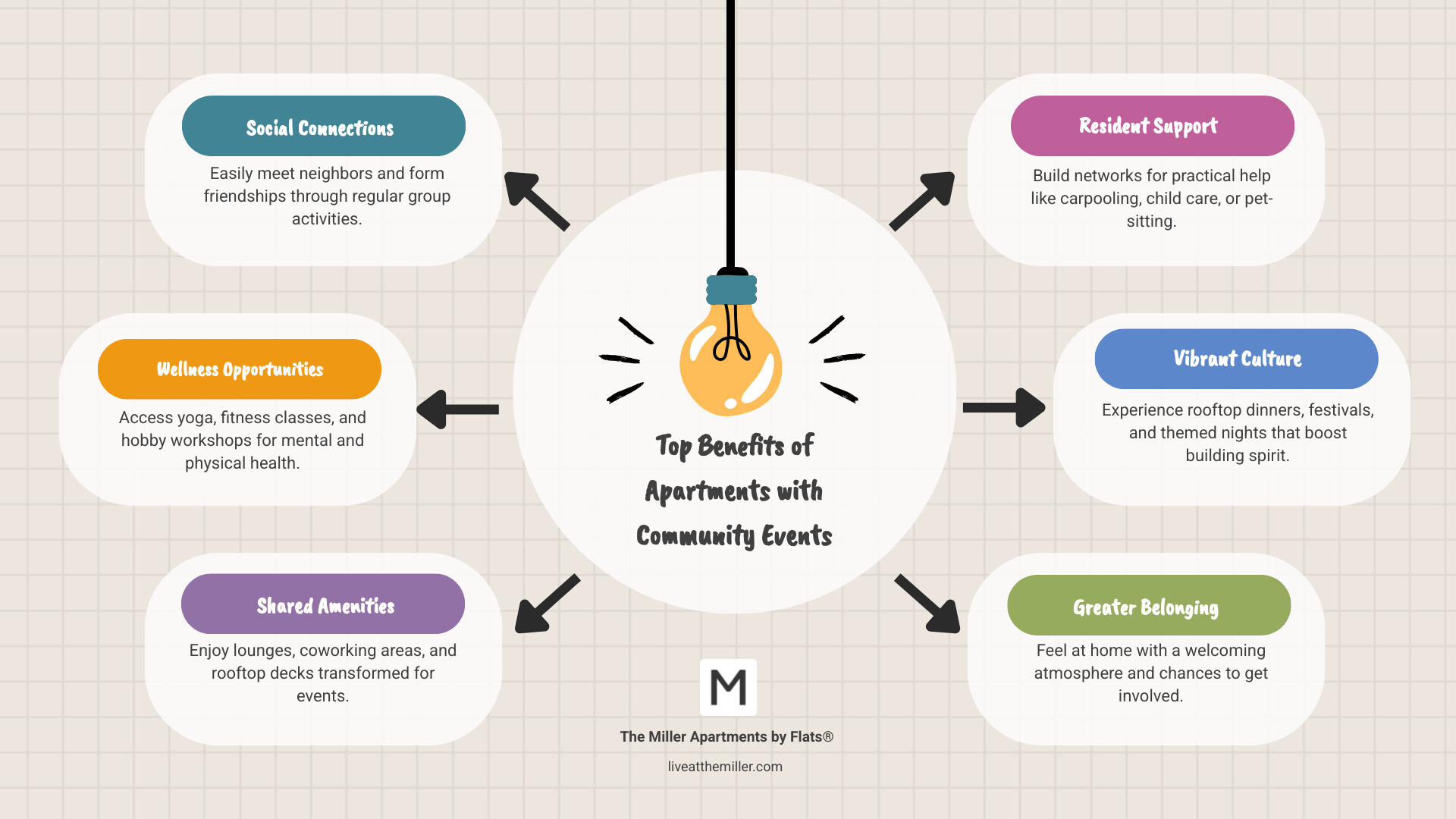
- Easier to meet and connect with neighbors
- Built-in opportunities for relaxation and socializing
- Extra amenities and spaces dedicated to community experiences
- A sense of belonging and support—especially important for busy urban professionals
"When people do things together, they interact and start to get to know each other."
— Community member reflection
At their core, these apartments offer more than just a place to live—they provide a connected, lively community right outside your door.
Why Community Events Matter in Modern Apartment Living
The science behind community events in apartment living is compelling. Scientific research on social connection and health shows that strong social bonds directly impact physical and mental wellbeing. For apartment residents, this translates into reduced stress, improved mood, and even better sleep quality.
Community events serve multiple purposes beyond just entertainment. They create emotional wellbeing by providing regular opportunities for social interaction, which combats the isolation that can come with urban living. Property managers have found that buildings with active community programming see significantly higher resident retention rates, as people develop meaningful connections that make them want to stay.
These gatherings also play a crucial role in conflict reduction. When neighbors know each other through shared positive experiences, they're more likely to address issues directly and amicably rather than letting tensions build. The practical support networks that emerge from community events create informal systems where residents help each other with everything from pet care to professional networking.
How Events Strengthen Neighborly Bonds
Community events function as natural icebreakers, removing the awkwardness of first introductions. When residents meet at a cooking class or volunteer cleanup day, they already have a shared activity to discuss. This creates immediate common ground and makes future interactions feel more natural.
Trust-building happens gradually through repeated positive interactions. The resident who helps set up chairs for movie night becomes someone you can rely on. The neighbor who shares gardening tips at the community garden workday becomes a trusted friend. These shared experiences create the foundation for lasting relationships.
The beauty of community events lies in their ability to bring together people who might never interact otherwise. The young professional working from home meets the family with school-age children. The new graduate connects with the experienced professional who becomes a mentor. These diverse connections enrich everyone's experience.
The Practical Perks You Didn't Expect
Beyond friendship, community events create valuable practical networks. Skill-sharing naturally emerges when residents find each other's talents and knowledge. The resident who's a professional chef might offer cooking tips, while the IT specialist helps with tech problems. These informal exchanges save money and build community knowledge.
Carpool networks often develop organically through community events. Residents heading to the same areas for work or regular activities find each other and share transportation costs. This is particularly valuable in urban areas where parking is limited or expensive.
Child-care swaps become possible when parents meet through family-friendly events. Trusted neighbors can provide occasional babysitting, creating support systems that benefit everyone involved. These arrangements often extend beyond formal events to include emergency help and regular playdates.
Popular Community Event Ideas Residents Love

The most successful apartments with community events offer a diverse mix of activities that appeal to different interests and schedules. Based on real-world examples from thriving communities, certain types of events consistently draw enthusiastic participation.
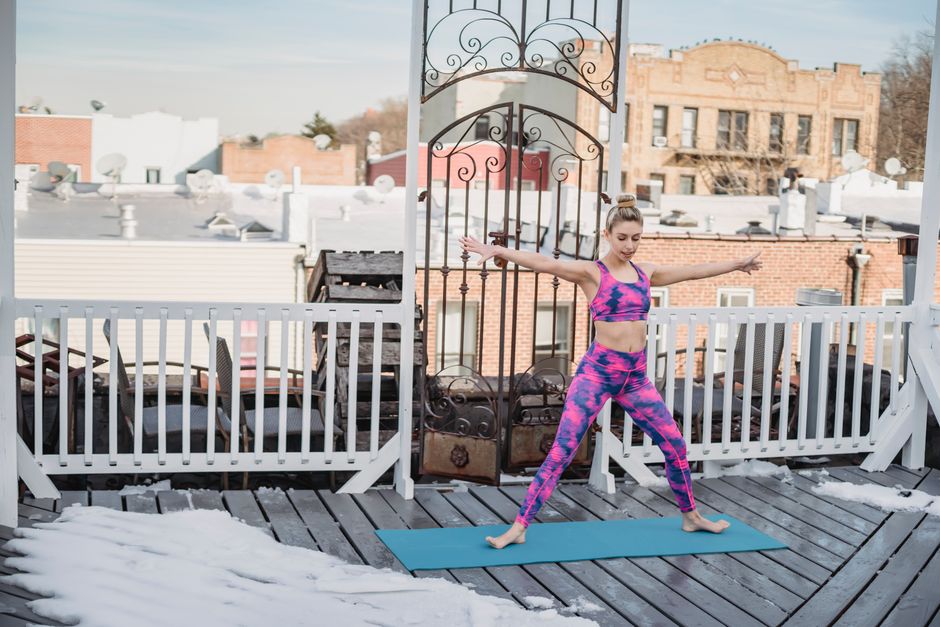
Yoga classes top the list of beloved community events. These sessions work well in various spaces, from rooftop decks at sunrise to indoor community rooms during winter months. The combination of wellness benefits and social interaction makes yoga particularly appealing to busy residents seeking both physical and mental health support.
Open mic nights create opportunities for residents to showcase talents while building audience connections. These events work especially well in communities with creative professionals or students. The informal atmosphere encourages participation from both performers and supporters.
Rooftop dinners transform ordinary evenings into special occasions. Some communities organize monthly potluck dinners where residents bring dishes to share, while others feature catered meals or cooking demonstrations. The liftd setting and shared meal create memorable experiences that strengthen community bonds.
Cultural festivals celebrate the diversity within apartment communities. These events might feature food from different countries, traditional music performances, or cultural education sessions. They're particularly successful in communities with international residents or those near universities.
Volunteer days combine community service with neighbor bonding. Whether it's a neighborhood cleanup, food bank sorting, or local charity support, these events appeal to residents who want to make a positive impact while meeting like-minded neighbors.
Cooking workshops use demonstration kitchens or community spaces to teach practical skills. From basic cooking techniques to specialized cuisines, these hands-on events provide valuable knowledge while encouraging interaction and collaboration.
Game nights offer low-key social opportunities that work well for residents who prefer smaller group interactions. Board games, card tournaments, or video game competitions can accommodate different interests and skill levels.
Spin classes and other fitness activities take advantage of on-site fitness centers or outdoor spaces. Group fitness creates accountability and motivation while building friendships through shared health goals.
Apartments with Community Events: Recurring Favourites
Fitness series work particularly well as recurring events because they build habits and create consistent social groups. Weekly yoga sessions, monthly hiking groups, or seasonal sports activities give residents something to look forward to and help maintain regular exercise routines.
Weekly happy hour events provide consistent social opportunities without requiring major planning. These casual gatherings in resident lounges or outdoor spaces allow neighbors to decompress after work while building relationships over time.
Book clubs appeal to residents who enjoy intellectual discussions and shared reading experiences. These groups often become close-knit communities within the larger apartment complex, sometimes lasting for years as members develop deep friendships.
Garden workdays in communities with outdoor spaces create both beautiful environments and strong bonds. Residents who work together to plant, maintain, and harvest from community gardens develop a sense of shared ownership and accomplishment.
Apartments with Community Events: One-Time Hits
Holiday BBQs capitalize on seasonal celebrations and create memorable experiences. These larger events often draw residents who might not attend regular programming, making them excellent for building broader community connections.
Tax clinics provide practical value during tax season while bringing neighbors together around a shared need. These events often feature local professionals volunteering their expertise, creating goodwill and practical support.
Art pop-ups showcase resident creativity while changing common spaces into galleries. These events celebrate the talents within the community and often inspire ongoing creative collaborations.
Rooftop concerts feature local musicians or talented residents, creating special entertainment experiences. The unique setting and live music combination makes these events particularly memorable and well-attended.
| Event Type | Frequency | Planning Time | Participation Level | Space Requirements |
|---|---|---|---|---|
| Recurring Events | Weekly/Monthly | Moderate | High retention | Consistent space |
| One-Time Events | Seasonal/Special | High | Broad appeal | Flexible space |
Spaces & Amenities That Power Great Events
The physical spaces available in apartments with community events directly impact the success and variety of programming possible. Well-designed communities incorporate multiple types of gathering spaces to accommodate different event styles and group sizes.
Community centres serve as the heart of many apartment complexes, providing flexible spaces that can host everything from yoga classes to wedding receptions. The Bain Apartments Co-operative's community centre exemplifies this versatility, accommodating coffee houses, cultural events, music rehearsals, and private celebrations all within the same space.
Rooftop decks offer unique venues that transform ordinary events into special experiences. These liftd spaces work particularly well for fitness classes, social gatherings, and entertainment events. The combination of fresh air, city views, and open space creates an appealing atmosphere that draws residents who might not attend indoor events.
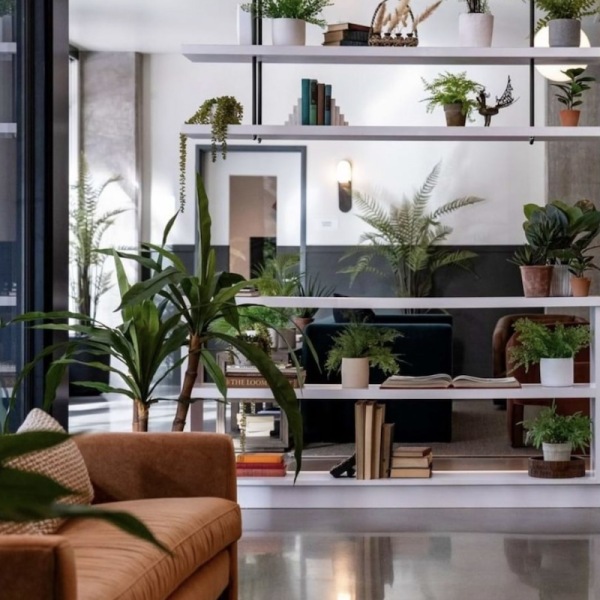
Coworking lounges have become increasingly important as remote work continues to grow. These spaces can double as meeting rooms for resident committees, book clubs, or professional networking events. The Miller Apartments by Flats® recognizes this trend by incorporating coworking spaces that serve both daily work needs and community programming.
Demonstration kitchens enable cooking classes, cultural food events, and social gatherings centered around shared meals. These specialized spaces include professional-grade equipment and ample counter space for group activities, making them ideal for hands-on events that build skills and relationships.
Gardens and outdoor spaces provide venues for volunteer workdays, outdoor fitness classes, and seasonal celebrations. Community gardens create ongoing opportunities for residents to work together while beautifying their shared environment.
Party rooms and entertainment spaces accommodate larger gatherings and celebrations. These dedicated spaces often include audio-visual equipment, flexible seating arrangements, and easy cleanup features that make event hosting more manageable.
Theatre rooms serve multiple purposes beyond movie nights, hosting presentations, educational workshops, and performance events. The intimate setting works well for book discussions, lecture series, or resident talent showcases.
Designing Flexible Indoor Spaces
The most successful community spaces incorporate movable furniture that can be reconfigured for different events. Lightweight tables and chairs allow quick transitions from workshop setups to social gathering arrangements. This flexibility maximizes the utility of limited space while accommodating various event needs.
Acoustic panels help manage noise levels during events while creating more pleasant environments for conversation and activities. These features are particularly important in mixed-use spaces where events might occur while other residents are working or relaxing nearby.
Smart lighting systems allow event organizers to create appropriate atmospheres for different activities. Bright task lighting works well for workshops and meetings, while dimmer, warmer lighting creates better ambiance for social gatherings and entertainment events.
Outdoor Areas That Invite Gathering
Fire pits create natural gathering spots that work well for informal socializing and seasonal events. These features extend the usable season for outdoor events and provide focal points that encourage conversation and relaxation.
Hammock parks, as seen in some Vancouver communities, offer unique relaxation spaces that double as conversation areas. These installations create Instagram-worthy moments while providing comfortable spaces for residents to unwind and connect.
Dog parades and pet-friendly gathering areas recognize that many residents have pets and want to include them in community activities. These spaces accommodate both pet socialization and human interaction, creating multi-purpose community benefits.
Getting Involved & Overcoming Planning Challenges
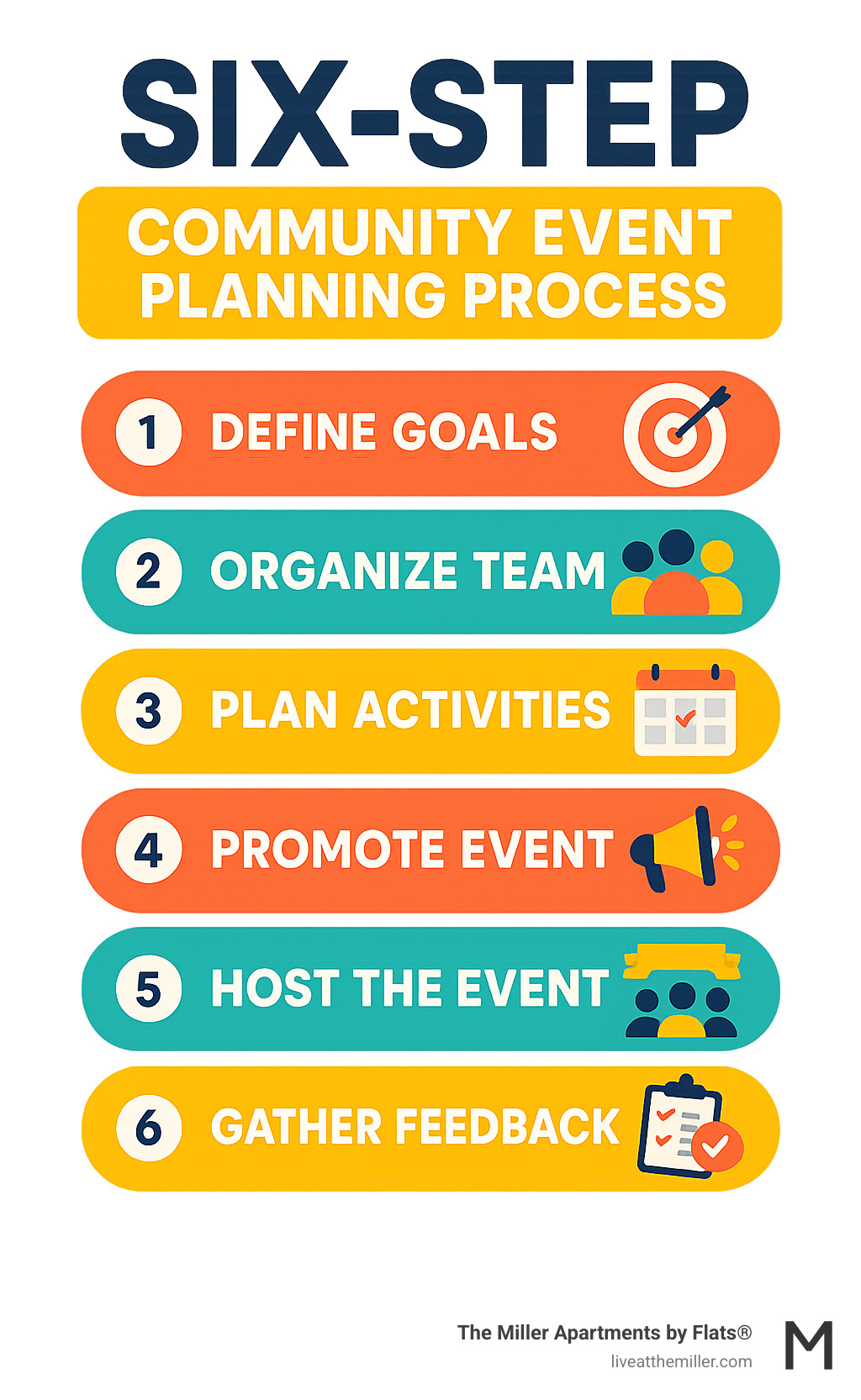
Successful apartments with community events require collaboration between residents and management to create thriving programming. Understanding how to get involved and steer common challenges helps ensure events succeed and continue long-term.
Resident councils play crucial roles in community event planning and execution. These volunteer groups often emerge naturally as engaged residents step forward to organize activities. Democratic governance structures, like those found in cooperative housing communities, provide frameworks for resident involvement in decision-making about events and programming.
Management support varies by community but typically includes providing spaces, basic supplies, and promotional assistance. Property managers who understand the value of community events often dedicate staff time and resources to support resident initiatives, recognizing that successful programming improves retention and satisfaction.
The booking process for community spaces should be straightforward and accessible to all residents. Some communities use online systems for space reservations, while others rely on simple sign-up sheets or direct contact with management. Clear policies about space usage, cleanup responsibilities, and equipment availability help prevent conflicts and ensure smooth operations.
Event promotion requires multiple channels to reach all residents effectively. Successful communities use combinations of email newsletters, bulletin boards, social media groups, and door-to-door outreach to ensure broad awareness of upcoming events. The key is consistency and advance notice to help residents plan their participation.
Inclusivity considerations ensure that events welcome all residents regardless of age, background, or interests. This might involve scheduling events at different times to accommodate various work schedules, providing childcare options for family events, or ensuring accessibility for residents with mobility limitations.
Budget sharing strategies help communities fund events without placing financial burden on individual organizers. Some communities establish small resident fees that fund programming, while others rely on voluntary contributions or seek sponsorship from local businesses.
More info about Networking Events
Simple Ways Residents Can Pitch In
Volunteer sign-ups for event setup, cleanup, and coordination distribute workload among community members. Even residents who can't attend events can contribute by helping with preparation or providing supplies. This shared responsibility prevents burnout among regular organizers.
Donation drives for event supplies, food, or prizes create community investment in programming success. Residents might contribute decorations, games, or refreshments, making events more elaborate while keeping costs manageable.
Talent sharing leverages the diverse skills within apartment communities. The resident who's a professional photographer might document events, while someone with event planning experience could mentor new organizers. These contributions strengthen both individual events and overall programming capacity.
Common Problems & How Communities Solve Them
Low turnout can discourage organizers but often improves with consistent programming and word-of-mouth promotion. Successful communities focus on quality over quantity, recognizing that even small, well-executed events can build momentum for larger gatherings.
Noise concerns require proactive management through clear guidelines about event timing, volume levels, and notification procedures. Communities that establish and enforce reasonable noise policies prevent conflicts while maintaining vibrant programming.
Accessibility needs must be considered in both event planning and space design. This includes physical accessibility for residents with mobility limitations, as well as scheduling and format considerations for residents with different communication preferences or social comfort levels.
Rain backup plans are essential for communities that rely heavily on outdoor events. Having alternative indoor venues or flexible scheduling policies ensures that weather doesn't derail programming or disappoint residents who were looking forward to events.
Apartments with Community Events: 5 Community-Forward Living Styles
Different types of apartment communities approach community events in unique ways, reflecting their resident demographics, management structures, and community values. Understanding these variations helps prospective residents find communities that match their lifestyle preferences and social needs.
Co-operative Living Models & Their Signature Gatherings
Co-operative housing communities, like the Bain Apartments Co-operative with its 260 townhouse-style units, operate under democratic governance structures that naturally encourage resident participation in community events. These communities often feature committee-led events where residents take leadership roles in planning and executing programming.
Democratic governance means that residents vote on event budgets, programming priorities, and space usage policies. This involvement creates strong ownership and investment in community activities. General meetings serve dual purposes as business sessions and social gatherings, strengthening both practical cooperation and personal relationships.
Committee-led events in co-ops often reflect diverse resident interests and expertise. Cultural committees might organize heritage celebrations, while social committees focus on parties and recreational activities. This distributed leadership model ensures varied programming while developing resident skills and connections.
Garden parties and outdoor gatherings work particularly well in co-operative communities because residents often have shared responsibility for maintaining outdoor spaces. These events combine practical community maintenance with social interaction, creating efficient and enjoyable experiences.
Student Residences Fueling Learning & Fun
Student housing communities, like HOEM in downtown Toronto, create programming specifically designed to support academic success while building social connections. These communities recognize that student residents have unique needs for both study support and social interaction.
Study lounges become venues for group study sessions, academic workshops, and peer tutoring programs. The social aspect of shared learning helps students build study groups and academic support networks while making the educational process more enjoyable.
Maker spaces and creative workshops, such as fabrication labs with 3D printers and laser cutters, provide hands-on learning opportunities that complement academic coursework. These spaces encourage both individual creativity and collaborative projects among residents.
Mentorship events connect students across different academic levels and programs. Upper-year students share experiences and advice with newcomers, creating support networks that extend beyond formal programming into ongoing relationships.
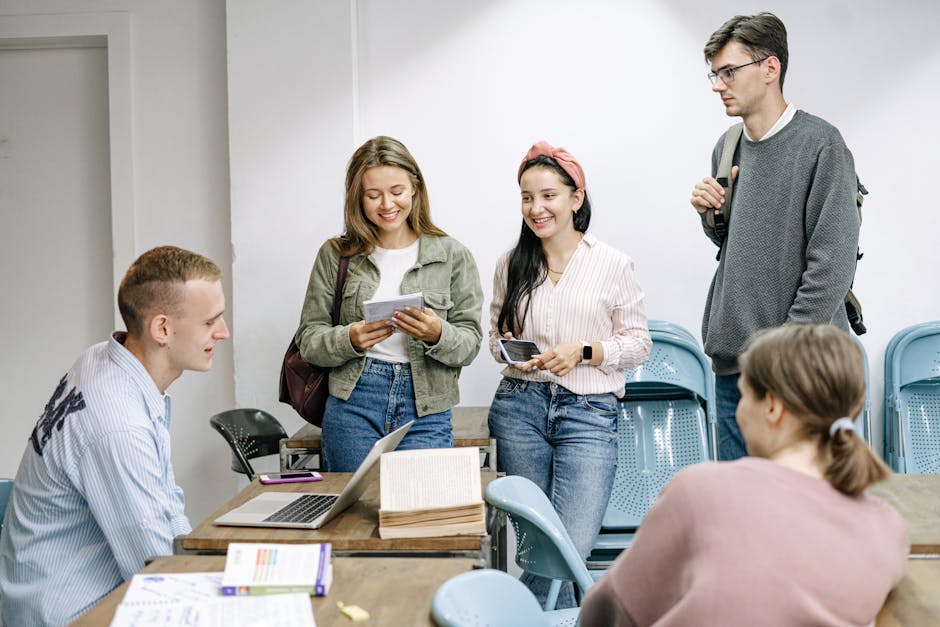
Luxury Rentals Elevating Everyday Experiences
Luxury apartment communities often feature professionally curated events that reflect the liftd lifestyle expectations of their residents. These communities might hire professional instructors for fitness classes or bring in local chefs for cooking demonstrations.
Chef series events showcase culinary expertise while providing entertainment and education. These might include wine tastings, cooking classes, or themed dinner parties that create memorable experiences for residents who value fine dining and cultural sophistication.
Rooftop wellness programming takes advantage of premium outdoor spaces to offer yoga classes, meditation sessions, and fitness activities with scenic backdrops. The combination of health benefits and beautiful settings appeals to residents who prioritize wellness and lifestyle quality.
Resident concierge services often extend to event planning and coordination, reducing the burden on residents while ensuring professional execution. This support allows for more elaborate events while maintaining the community feel that residents desire.
Mixed-Income Communities Building Inclusive Culture
Mixed-income communities face unique challenges in creating events that appeal to residents with different backgrounds, schedules, and resources. Successful programming in these communities emphasizes accessibility and inclusivity while celebrating diversity.
Neighborhood partnerships with local organizations can provide resources and expertise for community events. These collaborations might include partnerships with community centers, schools, or cultural organizations that improve programming while building broader community connections.
Support groups and practical workshops address real needs within the community. These might include financial literacy classes, job search workshops, or health and wellness seminars that provide valuable services while bringing residents together around shared interests.
Cultural celebrations that honor the diversity within the community create opportunities for residents to share their backgrounds and learn from each other. These events build understanding and appreciation while creating inclusive spaces for all residents.
Eco-Focused Buildings Turning Sustainability into Social Fun
Environmentally conscious communities often center their programming around sustainability themes, creating events that support both environmental goals and community building.
Garden clubs and urban agriculture projects provide hands-on opportunities for residents to grow food, learn about sustainable practices, and work together toward common environmental goals. These ongoing projects create regular interaction opportunities while producing tangible benefits.
Zero-waste workshops teach practical skills while building community around shared environmental values. These events might include composting classes, upcycling projects, or sustainable living seminars that help residents reduce their environmental impact.
Bike tune-ups and transportation-focused events support car-free living while creating opportunities for residents to help each other with practical needs. These events often include group rides, safety workshops, or advocacy activities that build community while promoting sustainable transportation.
Frequently Asked Questions about Apartments with Community Events
How do I find out what events are happening in my building?
Most apartments with community events use multiple communication channels to keep residents informed about upcoming activities. Check for community bulletin boards in lobbies, mailroom areas, or near elevators where event announcements are typically posted. Many communities also send regular email newsletters or text updates with event schedules and details.
Social media groups or messaging apps like WhatsApp have become popular ways for residents to stay connected and share event information. Ask your property management about official community communication channels, or look for resident-created groups that share information about both official and informal gatherings.
Property management offices often maintain event calendars and can provide information about recurring activities like fitness classes or monthly social events. Some communities use online resident portals where event information is posted alongside other community announcements.
What if I'm introverted—do I have to attend every event?
Community events are designed to be inclusive and welcoming, not mandatory. Introverted residents can benefit from community programming by choosing events that match their comfort levels and interests. Start with smaller gatherings like book clubs or hobby groups rather than large social events.
Many communities offer quiet activities like garden workdays, craft workshops, or educational seminars that provide social interaction without the pressure of large group dynamics. These events often attract residents who prefer meaningful conversations over party-style socializing.
Even occasional participation helps build recognition and familiarity with neighbors. Attending one event per month can help you feel more connected to your community without overwhelming your social energy.
Can residents propose their own event ideas?
Most apartment communities welcome resident-initiated events and ideas. Start by speaking with your property management about the process for proposing new activities. Many communities have resident councils or social committees that evaluate and organize new programming suggestions.
Successful event proposals typically include basic details about the activity, space requirements, expected attendance, and any resources needed. Communities are often more receptive to ideas that use existing spaces and amenities rather than requiring significant additional investment.
Consider starting with simple, low-cost activities to demonstrate interest and build support for more elaborate events. A successful game night or potluck dinner can lead to approval for more ambitious programming ideas.
Conclusion
Apartments with community events transform routine apartment living into vibrant, connected experiences that enrich daily life in meaningful ways. These communities recognize that home extends beyond individual units to encompass the relationships, activities, and shared experiences that make a place truly feel like home.
The benefits of community-focused apartment living extend far beyond entertainment and social opportunities. Residents develop practical support networks, build lasting friendships, and create the kind of neighborhood connections that improve both daily life and long-term wellbeing. The science supports what residents experience firsthand: strong social connections improve mental health, reduce stress, and create the foundation for happier, more fulfilling lives.
For those seeking this type of connected living experience, The Miller Apartments by Flats® offers the perfect combination of modern luxury and community focus. Located in the vibrant Vancouver Waterfront neighborhood, The Miller provides the amenities and spaces that make great community events possible—from the day spa and fitness center to coworking lounges that double as gathering spaces for resident activities.
The key to finding the right community lies in understanding your own preferences and priorities. Whether you're drawn to fitness-focused programming, cultural events, or casual social gatherings, there are apartment communities designed to support your lifestyle and help you build the connections that make urban living truly rewarding.
Community events represent more than just scheduled activities—they're opportunities to build the relationships and experiences that transform an apartment into a home and neighbors into friends. When genuine connection can be challenging to find, apartments with community events offer a path to the kind of community living that enriches every aspect of daily life.